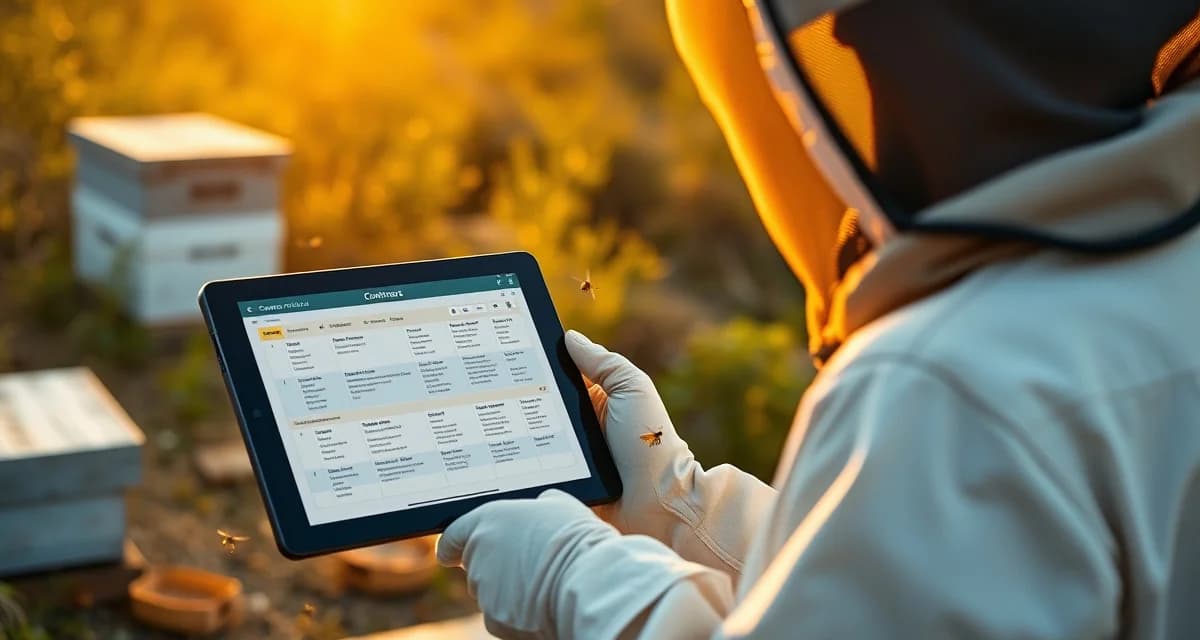
Pollination Contract Expiration Tracking
Beekeepers who initiate renewal conversations 90 or more days before expiration renew 55 percent more accounts than those who wait until the contract has already expired. The gap reflects how growers make decisions: a grower who hears from their beekeeper in October about next February's almond contract is in planning mode and ready to commit. A grower who hasn't heard from their beekeeper by December is already looking at alternatives.
PollenOps tracks every contract expiration date and sends automated renewal alerts at 90, 60, and 30 days before expiration. The alerts include the contract's last season performance summary, giving you a ready-made conversation starter when you reach out to the grower.
TL;DR
- A well-written pollination contracts covers hive strength requirements, payment terms, delivery/removal windows, pesticide liability, and dispute resolution.
- Standard payment structure is 50% on delivery and 50% on removal; push for no longer than 14-day net on the back half.
- Hive strength disputes are the most common source of non-payment; third-party inspection at delivery is the cleanest resolution.
- Pesticide kill provisions should require grower notification 24-48 hours before any application within foraging range of placed hives.
- Contracts signed by November have stronger pricing leverage than those negotiated in December or January.
Why Contract Expiration Tracking Matters
Commercial pollination contracts typically run for one season with an option to renew, or for 2 to 3 year terms with annual pricing adjustment clauses. Both structures have expiration dates that define when the current agreement ends and when a new agreement is needed.
For a seasonal (one-year) contract, the effective expiration is typically after the last contracted service (removal date) or at a fixed date (December 31, for example). A beekeeper who doesn't actively renew before that date is in an ambiguous position for the next season: the prior contract may or may not be understood as continuing, and the grower may have started conversations with other beekeepers.
For multi-year contracts, the expiration date is the date the multi-year term ends. The renewal conversation at that point is about whether to sign another multi-year term, revert to annual contracts, or renegotiate terms. Missing this conversation because the expiration wasn't tracked means entering the negotiation reactive rather than proactive.
The Renewal Conversation Framework
The 90-day alert from PollenOps triggers the first renewal outreach. What you say matters:
Start with last season's performance: "I wanted to reach out about your contract for next season. Looking back at last season, we delivered X hives on date Y with a full count and here's what your portal shows for the season." Starting with your documented performance rather than a price conversation establishes that you're a professional with a track record.
Confirm the grower's plan: "Are you planning to continue the blueberry operation next season at similar acreage?" Some growers expand, some contract, some exit. Confirming their plan before proposing contract terms avoids negotiating for acreage that doesn't exist.
Propose terms: Based on the current market rate environment (PollenOps rate benchmarks provide current context), propose your rate for the next season. If your rates are increasing, the 90-day conversation gives the grower time to budget for the change rather than surprising them at signing.
Set a deadline: Ask the grower to confirm by a specific date so you can plan your season inventory. "I'm confirming commitments by November 15 to make sure I have the hives allocated for your contract" is a professional ask that most commercial growers understand.
Handling Expired Contracts
If a contract expires without renewal (because a grower doesn't respond, circumstances change, or the relationship ends), PollenOps marks the contract as expired and archives it in your contract history. The expired contract remains searchable and the performance data is retained, which matters for two reasons:
First, some expired relationships restart. A grower who doesn't renew for one season sometimes returns after an alternative beekeeper performs poorly. Having your prior season's documented performance in your PollenOps history makes restarting the relationship easy. You have the record to show what you delivered.
Second, archived contracts contribute to your compliance history, which new growers evaluate when you're seeking new business. A long track record of completed contracts with documented delivery performance is a selling point, even for contracts that have since expired.
For contract renewal tracking over multiple seasons, see pollination contract renewal management. For the full grower relationship and contract tracking system, see grower contract tracking.
Setting Up Expiration Tracking in PollenOps
Every contract entered in PollenOps includes an end date. PollenOps uses this date to calculate the 90-, 60-, and 30-day alert windows automatically. No additional setup is required beyond entering the contract with a correct end date.
For contracts without an explicit end date (open-ended or rolling arrangements), enter an estimated end date based on when the seasonal arrangement typically concludes. The alert system works on the entered date; if the arrangement continues past that date, update the contract record with the new end date to reset the alert windows.
Alerts are delivered to your PollenOps notification preferences (email, in-app notification, or both). You can customize alert timing if your business cycle calls for earlier or later outreach than the default 90/60/30 day schedule.
Frequently Asked Questions
How do I get alerts when my pollination contracts are about to expire?
PollenOps sends automatic renewal alerts at 90, 60, and 30 days before each contract's expiration date. Alerts are delivered to your notification preference (email or in-app). The alerts include the contract summary (grower name, crop, hive count, per-hive rate from last season, and the performance record) so you have context for the renewal conversation when you reach out. To ensure alerts fire correctly, make sure every contract in PollenOps has an accurate end date entered. For seasonal contracts that end after removal, set the end date to the contracted removal date or the first of the month following removal.
What should I say when I contact a grower about contract renewal?
Lead with your documented performance from last season rather than opening with a price or availability pitch. Something like: "I wanted to connect about next year's contract. Looking back at last season, we delivered on date X with the full count, and your portal shows the delivery record if you want to pull it up." This establishes credibility before you discuss terms. Then confirm the grower's plans for next season (same acreage? changes?), propose your rates for the new season with a brief rationale if rates are changing, and ask for confirmation by a specific date so you can allocate your hive inventory. Growers who work with professional beekeepers are accustomed to this kind of structured seasonal planning conversation.
How far in advance should I plan contract renewals for the next season?
Start renewal conversations at least 90 days before your contracts expire. For California almond season (February), that means reaching out to almond growers by November at the latest. For Michigan blueberry (May to June), reach out by February. For Pacific Northwest tree fruit (April to May), reach out by January. The earlier in the renewal window you have commitments, the more time you have to plan hive inventory, schedule driver staffing, and arrange logistics. Growers who commit early also tend to be the growers with reliable payment history. They're managing their operations professionally, which correlates with being reliable counterparties. The growers who are still uncommitted in January for February contracts are often the ones with more contractual risk.
What are the most common clauses in a commercial pollination contract?
A standard commercial pollination contract covers: hive strength minimums at delivery, payment terms (typically 50% on delivery, 50% on removal), delivery and removal dates, pesticide notification requirements, liability provisions for colony losses, truck access and yard location details, and dispute resolution procedures. Force majeure clauses addressing crop failure and operator inability to deliver the full hive count are also standard in well-written contracts.
How should pesticide liability be addressed in pollination contracts?
The contract should require growers to notify operators at least 24-48 hours before any pesticide application within foraging range (2-3 miles), specify the operator's right to remove hives immediately upon notification, and define liability for documented colony losses attributable to pesticide exposure. Without this clause, recovering compensation for pesticide kills requires proving causation after the fact, which requires lab testing, communication records, and timestamped photos of dead bees collected before cleanup.
What is a typical contract renewal strategy for commercial beekeepers?
Most successful commercial operators begin renewal conversations with existing growers in July, confirming the coming season's hive count and rate before new grower outreach. Existing grower relationships command better pricing stability than new contracts and require less pre-season sales effort. Sending growers a season-end report documenting hive placements and colony performance reinforces the relationship and creates a natural opening for renewal discussion.
Try These Free Tools
Sources
- USDA Agricultural Research Service
- Bee Informed Partnership
- American Beekeeping Federation (ABF)
- American Honey Producers Association
- Project Apis m.
Get Started with PollenOps
Managing pollination contracts across multiple growers and crops is where most commercial operations have the most to gain from better systems. PollenOps centralizes contract lifecycle management from initial quote through signed agreement, delivery documentation, and final invoice. Try it for your next season.