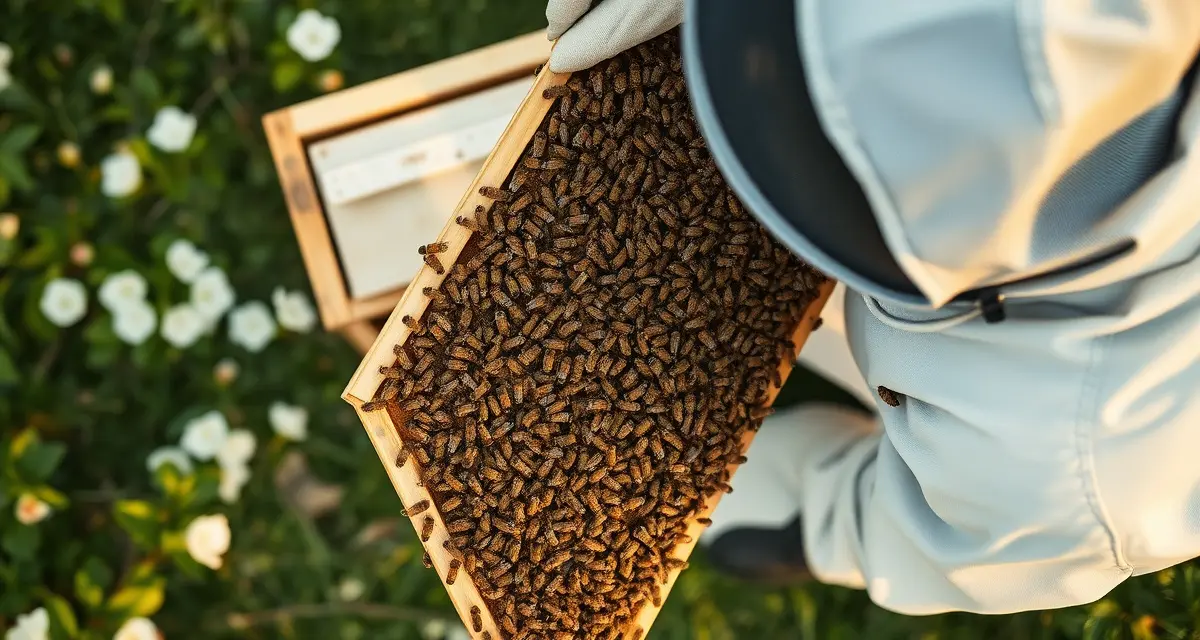
Apple Orchard Pollination Contract Software
US apple growers spent an estimated $90 million on commercial pollination in 2024, making apple one of the largest tree fruit pollination markets in the country after almonds. Apple variety-specific bloom alerts differentiate between early, mid, and late-season varieties, a distinction that matters operationally because Gala blooming two weeks before Honeycrisp in the same orchard means placement timing affects which variety you're prioritizing.
PollenOps apple pollination contract software manages the full workflow from contract signing through final invoice, with bloom timing alerts calibrated for apple variety and location, GPS hive placement documentation, and the automated grower reporting that prevents the invoice disputes that erode apple season profitability.
TL;DR
- Apple pollination is one of the most geographically distributed pollination markets, with significant demand in Washington, Michigan, New York, Pennsylvania, and New England.
- Bloom timing varies by 3-6 weeks between the Pacific Northwest and Northeast, enabling migratory operators to extend their apple season.
- Hive strength requirements for apple contracts typically range from 4-6 frames depending on the grower and orchard density.
- Washington State accounts for roughly 60% of US apple production, making it the dominant commercial apple pollination market.
- Cross-pollination variety requirements mean orchard layout significantly affects how many hives are needed and where they should be placed.
Why Apple Pollination Needs Purpose-Built Software
Apple orchards differ from almond operations in ways that affect how you manage contracts. A typical commercial apple operation has multiple varieties with staggered bloom timing, complex per-variety density requirements, and growers whose primary concern is fruit set consistency across a diverse variety mix. Managing an apple contract well requires understanding which varieties are on which blocks, which require cross-pollination from specific pollenizers, and how your placement geometry serves the variety layout.
Generic contract management tools that handle the financial side of your business don't know that Honeycrisp requires cross-pollination from certain compatible varieties and that your placement should ensure bee movement between those blocks. PollenOps apple module connects variety-specific bloom alert data to your contract terms, so your delivery timing is triggered by the specific variety mix in each grower's orchard rather than a single regional average.
Variety-Specific Bloom Alerts
Apple variety bloom timing variation is significant and commercially important. In Washington's Wenatchee and Chelan districts:
- Gala: late April to early May
- Fuji: early to mid-May
- Honeycrisp: mid-May
- Granny Smith: mid to late May
In the Northeast:
- Macintosh and Cortland: late April
- Gala: late April to early May
- Honeycrisp: mid-May
- Fuji: mid to late May
An operator placing hives in a mixed-variety Washington orchard with Gala, Fuji, and Honeycrisp blocks needs to consider whether hives placed at Gala bloom timing (late April) will still be at effective foraging strength through Honeycrisp in mid-May, or whether a second placement is needed.
PollenOps variety-specific bloom alerts allow you to set separate alert triggers for each variety block in a mixed orchard. When Gala bloom approaches, you get the Gala alert. When Honeycrisp is approaching two weeks later, you get the Honeycrisp alert. The timing of each alert is based on local temperature accumulation data rather than a static regional calendar.
This granularity prevents the scenario where you deliver hives at Gala bloom and they're past peak foraging condition when the higher-value Honeycrisp blocks open two weeks later.
Apple Contract Types and How PollenOps Handles Each
Standard Commercial Apple Contracts
Standard commercial apple contracts specify a hive count, minimum strength at delivery, a delivery date range or bloom-stage trigger, and a per-hive rate. PollenOps manages all contract terms, generates the pre-move strength checklist, and handles delivery confirmation and invoicing through the standard workflow.
For the western apple market (Washington, Oregon), where large commercial orchards have professional management programs and formal contract expectations, PollenOps provides the grower portal access and automated delivery reporting that matches the level of documentation these growers expect.
Northeast Direct-Market Apple Contracts
Northeast orchards with agritourism and direct-market orientation often have less formalized contract expectations but very high stakes for fruit set. Their fall customer revenue depends on having fruit on the trees. PollenOps contract templates provide the professional documentation framework that many Northeast growers have never used with prior beekeepers, creating a differentiation advantage for operators who introduce formal contracts to relationships that have been informal.
Organic Apple Contracts
Organic certified apple orchards have specific requirements for beekeepers: documentation of pesticide-free yard history, compatibility of any hive treatments with organic standards, and traceability of colony movement for organic audit purposes. PollenOps organic compliance documentation tracks these requirements and generates the organic-compatible service record that certified orchards need.
Hive Strength Requirements for Apple Pollination
Apple pollination strength requirements are somewhat lower than almond. Standard commercial apple contracts typically specify 6 to 8 frames of bees at delivery. Washington's large commercial orchards in the Wenatchee and Chelan districts often specify 6-frame minimums with 8 frames preferred for high-value variety blocks.
Northeast and Mid-Atlantic apple growers, who are often newer to formal pollination contracts, may not have explicit written strength requirements but expect strong colonies based on their prior experience. The PollenOps pre-move checklist helps you document the strength you're delivering even when the contract doesn't formally require it, which establishes your baseline for any subsequent discussion.
Delivery Timing for Apple Pollination
Apple delivery timing best practices specify placement at roughly 5 to 10 percent bloom, after some flowers have opened to provide food stimulation for foragers, but before peak bloom so that bees are well-established and foraging actively when pollination need is highest.
Delivering hives too early (before any bloom) can result in bees establishing on other forage sources before apple flowers are available. Delivering too late (at or after peak bloom) misses the critical early-bloom pollination window that has the most impact on fruit set.
PollenOps bloom timing alerts for apple use both growing degree day accumulation and local weather station data to provide 48-hour advance notice of the target delivery window. The alert fires when conditions indicate bloom is approaching your specified trigger stage, giving you time to confirm delivery logistics before the window opens.
GPS Placement Documentation for Apple Orchards
Apple orchards vary in their accessibility complexity. Some Washington commercial orchards have excellent road infrastructure; others are on steep hillsides with narrow access roads that require specific vehicle planning. Some New England orchards have heritage trees with irregular spacing that makes systematic hive cluster placement more complex than a regular grid orchard.
PollenOps GPS placement mapping creates a visual record of cluster positions on the orchard map, confirming per-acre density compliance and cluster spacing geometry. The placement map is included in the automated grower delivery report, giving growers a visual confirmation of where their hives are within the orchard.
For operators managing multiple simultaneous apple contracts across a regional circuit, the GPS placement database builds a historical record of yard positions that informs placement planning in subsequent seasons.
Grower Portal for Apple Season Communication
PollenOps grower portal gives your apple orchard clients direct access to their contract records, delivery documentation, and bloom timing status. Growers who can see their own delivery record and hive placement map have fewer questions and fewer disputes than those relying on phone and email communication.
During active apple bloom, the portal shows growers the current bloom alert status for their orchard's variety mix, the most recent colony check-in from your driver, and any field notes from yard visits. This real-time visibility keeps growers informed without requiring you to manage individual communications during your busiest season.
Apple Invoicing Through PollenOps
Apple season invoices are generated from your delivery records in PollenOps, with the contracted amount, delivered hive count, delivery date, and GPS placement documentation linked in a single invoice package. The invoice goes to the grower with all supporting documentation attached, which reduces the "I need to check on this before I can process payment" delays that slow collection.
For large commercial apple operations with accounts payable departments that process agricultural invoices, professional invoices with full supporting documentation process faster than handwritten or informal billing. PollenOps invoices meet the format standards that agricultural AP departments work with.
Apple Pollination Market Context
Washington dominates US commercial apple production, generating over 60 percent of commercially grown apples. Michigan, New York, California, Pennsylvania, and the New England states add meaningful volume. The market is geographically diverse, with regional bloom timing variation creating both circuit planning opportunities and complexity.
Apple pollination rates nationally run $100 to $175 per hive depending on region, variety, and colony strength certification. Washington commands the highest rates due to the crop's commercial scale. Northeast markets pay slightly lower rates but have less competition from large migratory operations.
The apple pollination management hub provides additional market context. Regional guides including the Northeast apple pollination overview and the Washington apple pollination software county-specific guide address regional specifics in detail.
Setting Up PollenOps for Apple Season
Setup for an apple season typically takes 4 to 6 hours for a 10 to 20 contract portfolio:
- Enter each contract with grower contact, GPS yard location, contracted hive count and strength, delivery window, and payment terms.
- Set bloom timing alert triggers for each contract's variety mix and bloom stage preference.
- Invite growers to the portal at contract signing.
- Confirm driver mobile app access and test check-in process.
The system is operational before your first delivery and automated functions run without additional setup.
Frequently Asked Questions
What hive strength do apple growers require for pollination contracts?
Most commercial apple growers require 6 to 8 frames of bees at delivery with an active laying queen. Washington's large commercial operations often specify 6-frame minimums with 8 frames preferred for high-value variety blocks like Honeycrisp. Northeast and Mid-Atlantic orchards with direct-market orientation may not have explicit written strength requirements but have high stakes for fruit set quality and respond well to documented certified-strength delivery. PollenOps pre-move strength checklists document your delivery condition regardless of whether the contract formally requires it.
How do I document hive placement for an apple orchard contract?
Get Started with PollenOps
Apple pollination season spreads across multiple regions and bloom timing windows, giving migratory operators a 6-8 week window to sequence deliveries and maximize hive utilization. PollenOps coordinates contract management, delivery scheduling, and health documentation across your full apple circuit so you can focus on execution rather than administration.
When should hives arrive for apple orchard pollination?
The industry best practice is delivery at approximately 5 to 10 percent bloom, after some flowers have opened to provide food stimulation for foragers, but well before peak bloom so bees are established and actively foraging when pollination need is highest. Delivering too early misses the food stimulation that accelerates forager recruitment. Delivering at peak bloom misses the optimal early-season pollination window. PollenOps variety-specific bloom alerts provide 48-hour advance notice of the target delivery window based on current-year temperature accumulation data for your contracted orchard location.
What are the hive strength requirements for apple pollination contracts?
Apple pollination contracts typically specify 4-6 frames of bees at delivery, though requirements vary by grower. Large corporate orchard operations in Washington State often specify 6 frames minimum. Smaller independent orchards may accept 4-5 frame colonies. The practical consideration is that apple bloom timing can be cold and variable, and stronger colonies forage more effectively in marginal weather conditions.
How does apple pollination timing differ across the US?
Apple pollination timing runs approximately 3-5 weeks in most regions, starting in late March in the mid-Atlantic, April in the Midwest and Pacific Northwest lowlands, and May in New England and higher elevations. Washington State's diverse geography means bloom timing varies 2-3 weeks between the Columbia Basin and the higher-elevation orchards in Chelan County. Migratory operators can extend their apple season by following bloom north and east.
What is the relationship between apple variety and pollinator requirements?
Most commercial apple varieties require cross-pollination between compatible varieties, which means orchard layout -- where pollinizer rows are planted relative to the primary variety -- directly affects how many hives are needed and where they should be placed. Orchards with good pollinizer distribution require fewer hives per acre than orchards with poor pollinizer coverage. Understanding the orchard's variety layout helps operators advise growers on optimal hive placement.
Try These Free Tools
Sources
- USDA Agricultural Research Service
- Bee Informed Partnership
- American Beekeeping Federation (ABF)
- Washington Tree Fruit Research Commission
- Cornell University Cooperative Extension