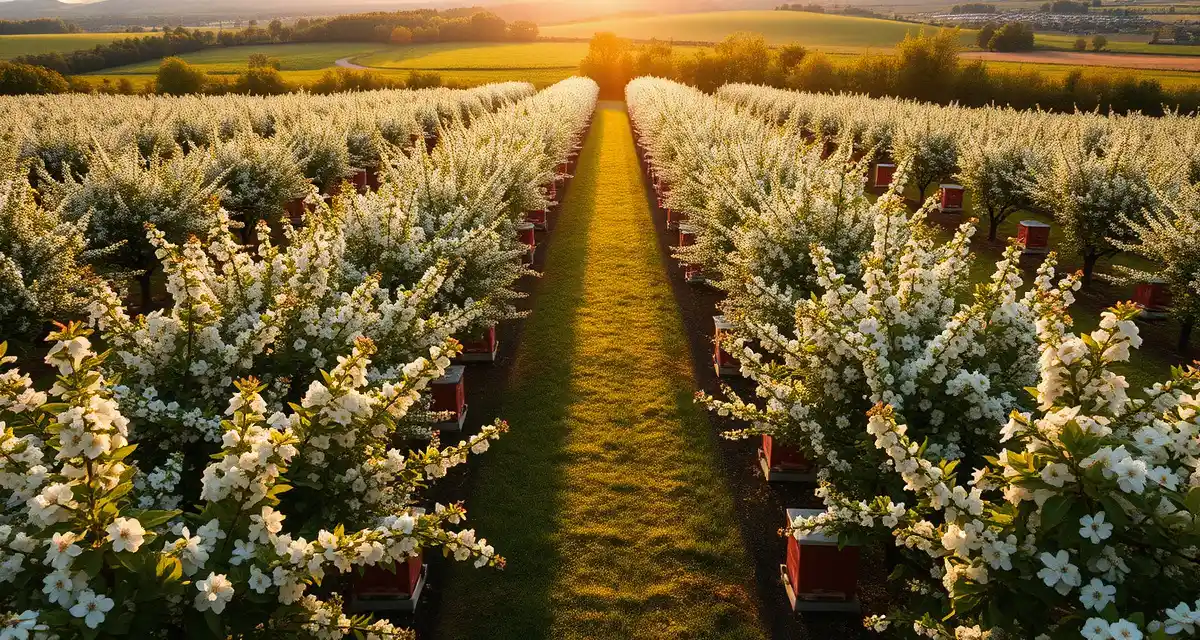
Apple Pollination in Pennsylvania: Adams County and Lake Erie Region
Pennsylvania's Adams County is one of the largest apple producing counties east of the Rocky Mountains, making it the anchor of a significant Mid-Atlantic apple pollination market. The county's concentration of orchard acreage in the south-central Pennsylvania ridge-and-valley geography creates a manageable geographic target for operators building Pennsylvania contracts.
Pennsylvania apple bloom runs mid-April through early May in Adams County and surrounding areas, placing it in the middle of the Northeast spring apple circuit timing, between Virginia (mid-April to early May) to the south and New York (late April through mid-May) to the north.
TL;DR
- Pennsylvania's primary commercial beekeeping role is shaped by its crop mix, climate, and position on the national pollination circuit.
- Pollination rates in Pennsylvania range $65-220/hive depending on crop depending on crop and colony strength requirements.
- Out-of-state operators entering Pennsylvania for pollination contracts must register with the state agricultural authority and obtain a Certificate of Health.
- Pennsylvania functions as either a primary pollination destination, a seasonal honey production location, or a transitional stop depending on the circuit.
- Tracking permit status, registration documents, and yard records for Pennsylvania operations requires organized record-keeping before the season opens.
Pennsylvania Apple Production Geography
Adams County: The single most important Pennsylvania apple production county, centered around the town of Biglerville and Gettysburg. The fruit belt in the southern part of the county, along the Blue Ridge foothills, has a concentration of commercial orchards that makes it one of the densest apple production areas in the East.
Franklin County: Adjacent to Adams County to the west, with additional significant apple acreage in the same ridge-and-valley geography.
Lake Erie Shore (Erie County): Northwestern Pennsylvania's Lake Erie shoreline has commercial orchard production benefiting from the lake's thermal moderation, though this region is smaller than Adams County's concentration.
Chester, York, and Dauphin counties: Additional orchard acreage in the southeastern Pennsylvania corridor.
Timing
Adams County apple bloom typically runs from mid-April through early May. The Blue Ridge foothills geography creates some variability across the county depending on elevation and aspect. Operations in the valley floors bloom slightly earlier than those on higher ground.
Pennsylvania's position in the Mid-Atlantic circuit connects naturally to Virginia to the south and New York to the north. For operators working the Northeast apple circuit, Pennsylvania is typically the middle stop.
Colony Requirements and Rates
Pennsylvania apple growers in Adams County typically require 6 to 8 frames of bees at placement. Premium orchard operations and larger commercial farms may specify 8 frames. Adams County's established commercial apple industry is sophisticated about pollination, and growers know what adequate versus exceptional colony strength looks like.
Pennsylvania apple pollination rates have typically run $90 to $125 per hive, with Adams County premium orchard contracts toward the upper range.
For Pennsylvania apiary registration and compliance, out-of-state operators must register with the Pennsylvania Department of Agriculture and provide health certificates for incoming colonies.
Getting Pennsylvania Apple Contracts
Adams County's apple industry is organized through the Pennsylvania Horticultural Society's tree fruit programs and Cornell Cooperative Extension-affiliated networks. The Adams County agricultural extension office serves the local apple community and can provide introductions.
Given Adams County's concentration of acreage, some of the largest Adams County orchards have multi-year beekeeper relationships with operators who deliver reliably. Breaking into Adams County's commercial market often requires starting with smaller growers or family operations before working toward the larger commercial accounts.
Frequently Asked Questions
How do you get apple pollination contracts in Pennsylvania?
Focus outreach on Adams County and Franklin County in south-central Pennsylvania in fall for the following spring season. The Penn State Extension in Adams County serves the apple industry and is an introduction resource. The Pennsylvania State Horticultural Association connects tree fruit producers. Operators who already work Virginia apple season can use those relationships to build Pennsylvania introductions, since the two markets share some grower networks through Mid-Atlantic agricultural associations. Come prepared with colony count, strength standards, and references from previous spring pollination work.
When is apple pollination season in Pennsylvania?
Pennsylvania apple bloom in Adams County runs from mid-April through early May in most years. bloom timing varies by variety and elevation within the county. Earlier-blooming varieties like Golden Delicious may be open by April 15, while late-blooming varieties push toward May 1 to 5. Lake Erie shore orchards in Erie County bloom slightly later due to the lake's thermal influence. Year-to-year variation of 1 to 2 weeks is typical. Operators should stay in contact with their Adams County grower contacts through early April for bloom progression updates.
What colony strength do Pennsylvania apple growers require?
Pennsylvania apple growers in Adams County typically require colonies at 6 to 8 frames of bees at time of placement. Standard commercial contracts specify 6 frames as the minimum. Larger commercial operations and premium growers may specify 8 frames. Adams County's commercial apple industry is experienced enough to evaluate colony strength at delivery, and operators who deliver weak colonies don't get renewed. Plan spring colony management to ensure hives are at target strength for mid-April delivery.
What is the process for registering an out-of-state apiary in a new state?
Most states require out-of-state operators to register with the state department of agriculture apiary program before placing colonies. The process typically involves submitting a registration application (online or paper), paying a fee (usually $10-50 per location), and providing contact information for the operation. Some states also require the registration to be renewed annually. Contact the destination state's department of agriculture apiary program at least 60 days before your planned arrival to confirm current requirements.
What documentation do state apiary inspectors typically review?
State apiary inspectors review health certificates for out-of-state colonies, registration documentation, and colony inspection records during apiary visits. Inspectors check for signs of American foulbrood, European foulbrood, and other regulated pests and diseases. Operations with organized digital records that include treatment history and mite counts typically have faster, less complicated inspections than operations without documentation. Some state inspectors also verify that varroa mite loads are below state entry thresholds.
What triggers a state apiary inspection?
State apiary inspections can be triggered by routine inspection schedules (most states inspect a percentage of registered apiaries annually), neighbor or landowner complaints, disease reports from nearby operations, or inspection requirements tied to state entry permits. California, in particular, has the right to inspect incoming loads at port of entry for commercial beekeeping operations. Maintaining current registration and organized records makes required inspections faster and less disruptive.
Try These Free Tools
Sources
- USDA Agricultural Research Service
- Bee Informed Partnership
- American Beekeeping Federation (ABF)
- Pennsylvania Department of Agriculture
- Project Apis m.
Get Started with PollenOps
Commercial operations working in Pennsylvania face the same registration, permit, and documentation requirements as any state on the national circuit -- plus Pennsylvania's specific regulatory requirements. PollenOps tracks your Pennsylvania yard records, contract assignments, and permit documentation alongside your full operation, so entering a new state doesn't add a separate administrative burden. See how the platform fits operations working across multiple states.