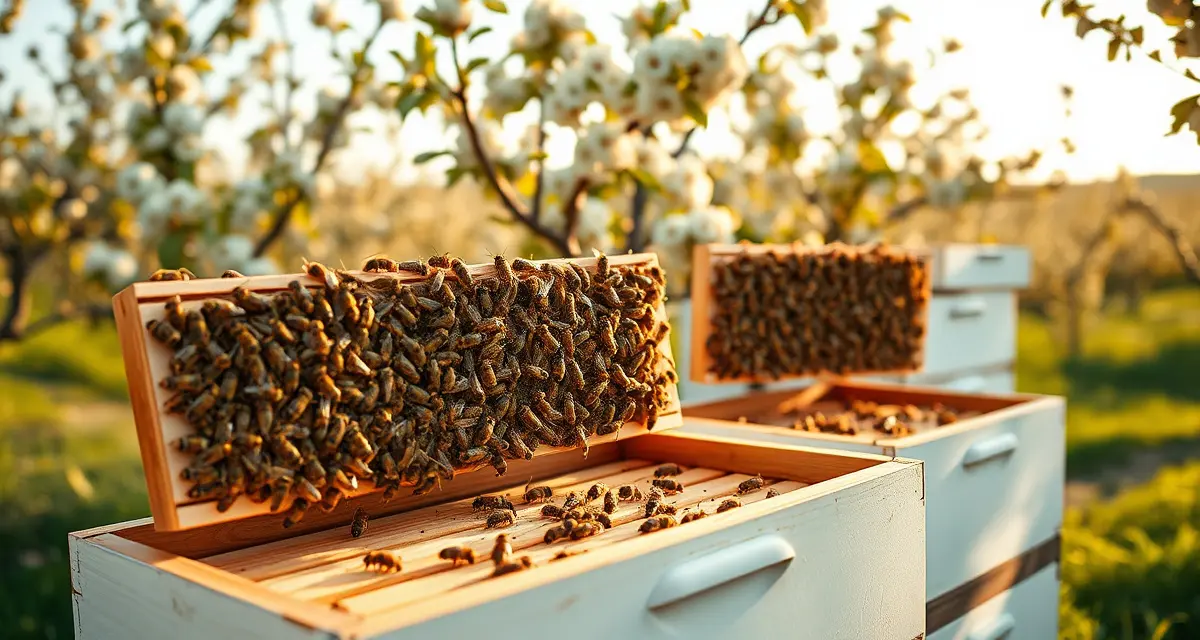
Apple Pollination in West Virginia: Mountain Orchard Opportunities
West Virginia produces quality mountain apples in the Eastern panhandle and surrounding counties, where the terrain creates microclimates that favor heritage and specialty varieties. The state's apple orchards are concentrated in Berkeley, Jefferson, and Morgan counties in the Eastern panhandle, with additional production in the Eastern highlands around Hardy and Grant counties. For migratory beekeepers working the Northeast circuit, West Virginia represents an underserved market with less competition than Pennsylvania or New York.
Apple bloom in West Virginia runs late April through mid-May at mountain elevations, making it a natural fit after North Carolina or Tennessee early-season stops and before New England's compressed bloom window. Elevation variation is significant: valley floor orchards in the Eastern panhandle can open 7 to 10 days before ridge orchards at 2,500 feet. If you're staging contracts across multiple elevation bands, stagger your deliveries accordingly rather than committing all hives to a single placement date.
TL;DR
- West Virginia's primary commercial beekeeping role is shaped by its crop mix, climate, and position on the national pollination circuit.
- Pollination rates in West Virginia range $65-220/hive depending on crop depending on crop and colony strength requirements.
- Out-of-state operators entering West Virginia for pollination contracts must register with the state agricultural authority and obtain a Certificate of Health.
- West Virginia functions as either a primary pollination destination, a seasonal honey production location, or a transitional stop depending on the circuit.
- Tracking permit status, registration documents, and yard records for West Virginia operations requires organized record-keeping before the season opens.
Getting Your First West Virginia Apple Contracts
The West Virginia Fruit Growers Association is the most direct route to orchard relationships. Member orchards range from small pick-your-own operations to commercial wholesale producers, and many have struggled to find reliable pollination service after larger operators prioritized higher-density markets. Showing up at the annual meeting with professional documentation and a clear hive strength guarantee sets you apart from informal arrangements that many growers currently rely on.
Cold outreach to orchards listed with the WV Department of Agriculture's commercial produce directory is another option. Target orchards over 20 acres first since smaller operations sometimes rely on feral colonies and won't pay contract rates. When you approach them, lead with your hive strength documentation rather than just a price quote. West Virginia apple growers who've been burned by weak deliveries in the past respond strongly to evidence that you inspect and certify before moving.
Your proposal should include your inspection certificate, proof of current apiary registration, and a strength report format showing how you'll document delivery. Use PollenOps contract management to generate a professional proposal with all of this attached, and make sure your West Virginia commercial beekeeping compliance documentation is current before making contact.
Hive Strength Requirements and Colony Preparation
West Virginia apple growers typically require 6 to 8 frames of bees at delivery, with a laying queen and at least 4 frames of brood. Some larger commercial orchards specify 8-frame minimums because mountain terrain spreads trees across irregular contours that reduce the coverage radius of a single cluster of hives.
Aim to have colonies built up well before you move. If you're coming out of a southern winter yard, April is tight for colony development depending on your starting strength. Colonies that entered winter at 6 frames and built normally through March should be close, but run your pre-move inspection no earlier than 5 days before delivery so your count reflects actual condition rather than a week-old assessment.
Spring colony development in West Virginia's mountain climate can be slower than in warmer nearby states. If you're unfamiliar with the region, ask your grower contact what local beekeepers have seen for the current spring in terms of pollen availability and temperature patterns. That local knowledge affects whether your colonies are getting natural stimulation to build or whether they need supplemental feeding going into bloom.
Logistics and Route Planning
West Virginia's road infrastructure is a real consideration for migratory operations. Many orchards sit on narrow county roads unsuitable for full-size semi-trailers. Before signing a contract, visit or request satellite imagery and road access details from the grower. A visit to sites with a pickup truck first can save a costly last-minute scramble when you arrive with a loaded flatbed.
Routes connecting West Virginia apple contracts with adjacent markets work well. Pennsylvania apple orchards in Adams and Franklin counties are close enough that a West Virginia contract can anchor one stop on a route that also includes PA and Maryland. Virginia's Shenandoah Valley apple belt to the south adds further contract density for operators willing to work the region.
Fuel and housing costs in the Eastern panhandle are moderate. If you're running 10 or more contracts in the region, establishing a base yard location with housing nearby is worth the investment. Check with county farm bureaus about seasonal use of outbuildings or vacant agricultural properties.
Rates and Contract Terms
West Virginia apple pollination rates generally run $90 to $130 per hive, depending on acreage, accessibility, and whether the grower is paying a premium for certified strength documentation. Rates are lower than the Mid-Atlantic urban fringe markets but reflect the region's historical informal beekeeper relationships. As you build a track record with documented delivery, you have room to push rates upward at renewal.
payment terms should include a 25 to 30 percent deposit at contract signing with the balance due within 30 days of bloom completion. Tie the final payment milestone to your delivery documentation rather than a calendar date, since mountain bloom timing can shift significantly year to year.
Frequently Asked Questions
How do you get apple pollination contracts in West Virginia?
Start with the West Virginia Fruit Growers Association, which connects commercial orchards with service providers. Contact orchards listed with the WV Department of Agriculture's commercial produce directory and target operations over 20 acres first. Come prepared with your hive strength documentation, apiary registration certificate, and a professional contract proposal. Many West Virginia orchards have relied on informal arrangements for years and will upgrade to a documented service if you present one clearly and reliably. Building relationships through one or two early contracts typically leads to referrals within the tight-knit orchard community.
When is apple bloom in West Virginia?
Apple bloom in West Virginia runs late April through mid-May, with significant variation by elevation and microclimate. Eastern panhandle valley floor orchards in Berkeley and Jefferson counties typically open in late April, while ridge orchards at higher elevations may not peak until early-to-mid May. Year-to-year variation tied to spring temperature patterns can shift the window by a week in either direction. If you're managing multiple contracts across different elevations, plan for a staggered delivery schedule and confirm bloom status with your growers in the week before planned placement.
What colony strength do West Virginia apple growers require?
Most West Virginia apple growers require 6 to 8 frames of bees at delivery, with a laying queen and at least 4 frames of brood. Larger commercial orchards on irregular mountain terrain often specify 8-frame minimums to ensure adequate coverage across spread-out tree rows. Inspect your colonies no more than 5 days before delivery so your count reflects actual condition at move time. Bring your inspection documentation to every delivery. Growers who've dealt with weak late-delivery colonies from informal sources will notice and appreciate the professionalism, and it protects you in any dispute about contract compliance.
What is the process for registering an out-of-state apiary in a new state?
Most states require out-of-state operators to register with the state department of agriculture apiary program before placing colonies. The process typically involves submitting a registration application (online or paper), paying a fee (usually $10-50 per location), and providing contact information for the operation. Some states also require the registration to be renewed annually. Contact the destination state's department of agriculture apiary program at least 60 days before your planned arrival to confirm current requirements.
What documentation do state apiary inspectors typically review?
State apiary inspectors review health certificates for out-of-state colonies, registration documentation, and colony inspection records during apiary visits. Inspectors check for signs of American foulbrood, European foulbrood, and other regulated pests and diseases. Operations with organized digital records that include treatment history and mite counts typically have faster, less complicated inspections than operations without documentation. Some state inspectors also verify that varroa mite loads are below state entry thresholds.
What triggers a state apiary inspection?
State apiary inspections can be triggered by routine inspection schedules (most states inspect a percentage of registered apiaries annually), neighbor or landowner complaints, disease reports from nearby operations, or inspection requirements tied to state entry permits. California, in particular, has the right to inspect incoming loads at port of entry for commercial beekeeping operations. Maintaining current registration and organized records makes required inspections faster and less disruptive.
Try These Free Tools
Sources
- USDA Agricultural Research Service
- Bee Informed Partnership
- American Beekeeping Federation (ABF)
- West Virginia Department of Agriculture
- Project Apis m.
Get Started with PollenOps
Commercial operations working in West Virginia face the same registration, permit, and documentation requirements as any state on the national circuit -- plus West Virginia's specific regulatory requirements. PollenOps tracks your West Virginia yard records, contract assignments, and permit documentation alongside your full operation, so entering a new state doesn't add a separate administrative burden. See how the platform fits operations working across multiple states.