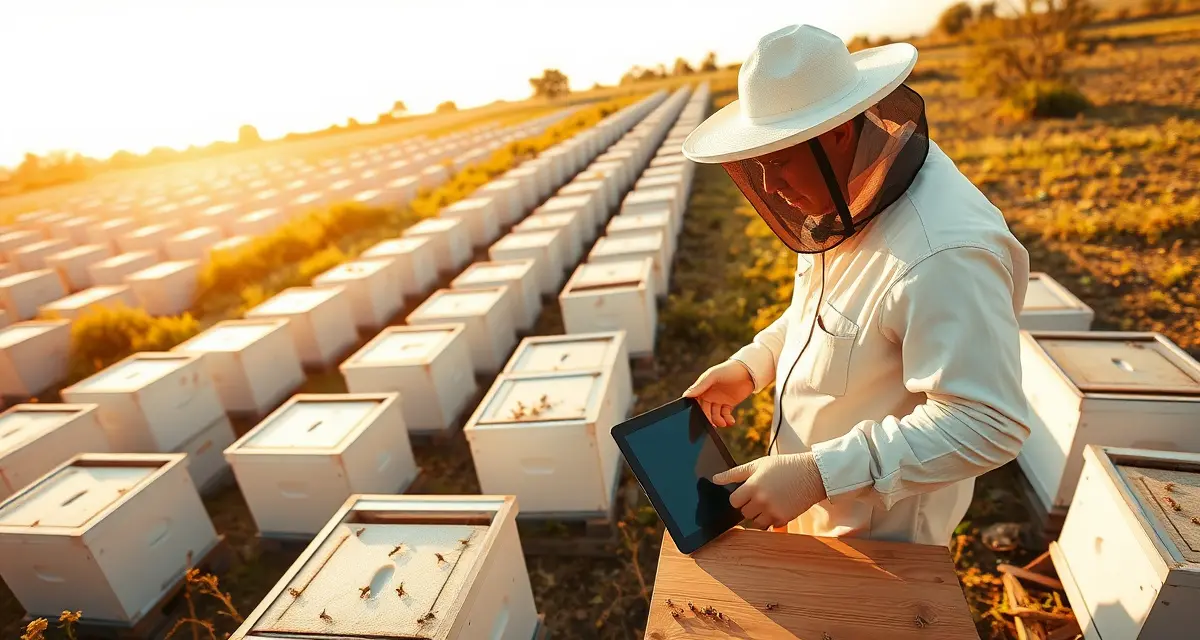
Software for Small Pollination Operations (50-200 Hives)
Operations under 200 hives represent 65% of commercial beekeepers but only 25% have contract management software. That gap is partly a cost perception issue, and partly a scale perception issue. "I only have 8 grower contracts, do I really need software?"
The honest answer is: it depends less on how many contracts you have and more on what happens when one of them goes sideways. A disputed invoice or a missed bloom window costs the same whether you have 2 contracts or 50.
TL;DR
- Commercial beekeeping operations that manage contracts on spreadsheets and phone calls spend 5-10 hours per week on administrative tasks that software handles automatically.
- Purpose-built beekeeping software centralizes contract lifecycle management, yard records, health documentation, and fleet logistics in one platform.
- The primary ROI drivers for operations software are fewer contract disputes, faster invoicing, and reduced time spent on administrative coordination.
- PollenOps is built specifically for commercial-scale pollination operations; it is not a hobbyist platform adapted for commercial use.
- Moving from spreadsheets to dedicated software typically pays for itself within one season in time savings and dispute prevention.
What a Small Operation Actually Needs
The features that matter most for a 50-200 hive pollination operation aren't the enterprise fleet management tools. They're the basics that protect your revenue and your grower relationships:
Contract documentation: A written contract with your grower's terms on file, connected to the delivery record that proves you honored those terms. If a $3,500 contract is disputed, you want documentation that wins the argument, not a text thread.
GPS delivery records: Proof of when you delivered and how many hives. For a 100-hive operation, even one disputed delivery can represent a meaningful percentage of your season's revenue.
Bloom timing alerts: You can track this manually for 3-4 crop types, but when almond bloom comes early in a warm year and you're relying on last year's date, you can miss it by a week. That week costs you on one contract, which at $180/hive might mean $18,000 if you had 100 hives placed there.
Professional invoicing: An invoice generated from your verified delivery data looks different than an invoice typed from memory. Growers notice the difference, and it affects payment speed.
Basic yard tracking: Where are your yards, how many hives at each, and when do they need to move? At 10 yard locations, this is manageable mentally. At 20, it starts to slip.
Does PollenOps Make Financial Sense for a Small Operation?
The $49 per month plan for operations up to 50 hives is $588 per year.
Consider: a single avoided invoice dispute typically pays for multiple years of subscription. A single bloom window you catch 5 days earlier because of an alert, that you would have missed relying on last year's date, might represent $5,000-$15,000 in contract revenue at risk.
The financial argument for software isn't "it saves you X hours per week." It's "it prevents you from losing one contract's worth of revenue in a season where one dispute would otherwise eat your margin."
Operations switching from spreadsheets to PollenOps at the 50-100 hive level typically find the software pays for itself in the first season, not over years.
What Features Does PollenOps Include for Small Beekeepers?
The $49 per month plan includes:
- Full contract management for up to 50 hives
- GPS tracking with offline capability
- Bloom timing alerts for all supported crops
- Automated invoicing from delivery data
- Pre-move strength assessment checklist
- Grower-facing delivery reports
- Interstate transport compliance tools
There's no stripped-down version for small operations. The $49 plan is the full platform, just with a hive limit. All the contract management, bloom timing, GPS tracking, and invoicing features that enterprise operations use are available from the first month.
Can I Afford Professional Contract Management Software on a Small Operation?
The question worth asking isn't whether you can afford the software. It's whether you can afford the risk of not having it.
A 100-hive operation with 6-8 grower contracts might generate $80,000-$150,000 in annual pollination revenue. At that revenue level, the cost of one disputed contract, one missed bloom window, or one invoice error is typically far larger than a $49 monthly fee.
The beekeepers who tend not to use software at small scale are the ones who haven't yet had a significant dispute. Once you've been through a grower who refuses to pay because they claim you delivered 80 hives instead of 100, and you're trying to prove the count from a handwritten log, the value of GPS-verified delivery documentation becomes very clear.
Growing Into the Platform
One underrated benefit of starting on a software platform when you're small: your historical data builds from day one. When you scale from 80 hives to 200 hives over three years, you already have a GPS yard map, contract history, and strength assessment records that reflect your full operating history.
Beekeepers who wait until they're at 200+ hives to adopt software have to build that historical record from scratch. The value of 3 years of yard performance data, contract compliance records, and grower relationship history is real, and you can't backfill it.
What Features Do I Need for Managing 30 Hive Contracts?
At 30 simultaneous contracts, you need:
- A contract calendar where every contract's delivery deadline and service period is visible at a glance
- Bloom timing alerts by crop and region (you can't manually track this for multiple crops across 30 contracts)
- GPS delivery records for every placement
- Automated invoicing that pulls from verified delivery data
- Grower contact management with contract history
At 30 contracts, the risk of a scheduling error, a missed bloom window, or an invoice discrepancy is much higher than at 5 contracts. The platform pays for itself through error prevention alone.
Frequently Asked Questions
What software is right for a small pollination operation with 100 hives?
PollenOps at $49 per month includes full contract management, GPS yard tracking, bloom timing alerts, automated invoicing, and grower-facing delivery reports for operations up to 50 hives, with plans that accommodate growth to 200+ hives. The features you need at 100 hives are the same features a 2,000-hive operation uses, just at smaller scale. General business tools like Excel or HoneyBook require significant manual adaptation for beekeeping-specific workflows.
Can I afford professional contract management software on a small operation?
The relevant question is what you're risking by not having it. A 100-hive operation generating $100,000 in annual pollination revenue is exposed to contract disputes, missed bloom windows, and invoice errors that can each cost far more than $49 per month to resolve. Software is insurance against operational errors that disproportionately affect small operations, which have less margin to absorb the cost of mistakes.
What features does PollenOps include for small beekeepers?
The $49 per month plan includes the full PollenOps platform: contract management, GPS yard tracking with offline capability, bloom timing alerts for all supported crops, automated invoicing from delivery data, pre-move strength assessment checklists, grower-facing delivery reports, and interstate transport compliance tools. There's no stripped-down small-operation version. All features are included from the first month.
What does purpose-built commercial beekeeping software do that a spreadsheet cannot?
Dedicated software connects data across your operation in ways spreadsheets cannot: a contract record links to the specific hives assigned to it, which links to the yard location, which links to health inspection records and treatment logs. When a grower calls to dispute a hive count, you can pull the delivery record, timestamped photos, and GPS-confirmed location in 30 seconds rather than searching three spreadsheets and an email thread. This integration is where the time savings and dispute-prevention value comes from.
How long does it take to migrate from spreadsheets to beekeeping software?
Most commercial operators complete the core migration in 2-4 weeks, starting with current contract records and active yard locations. Historical data (past seasons' inspection records, old contracts) can be migrated over time rather than all at once. The practical recommendation is to start with the current season's live data and add historical records as time allows. The operational improvement from having current data in the system is immediate; the historical data adds analytical depth over subsequent seasons.
Is there a free trial available for PollenOps?
Contact PollenOps directly to confirm current trial and demo options. Most commercial operators benefit from a walkthrough of the contract management and yard tracking modules against their own operation's data before committing, since the fit between the platform and your specific circuit and crop mix is the most important evaluation factor.
Try These Free Tools
Sources
- USDA Agricultural Research Service
- Bee Informed Partnership
- American Beekeeping Federation (ABF)
- American Honey Producers Association
- Project Apis m.
Get Started with PollenOps
Commercial beekeeping operations that move from spreadsheets to purpose-built software consistently report fewer disputes, faster invoicing, and less time on administrative work during peak season. PollenOps is built specifically for commercial-scale pollination operations. See how the platform fits your operation.