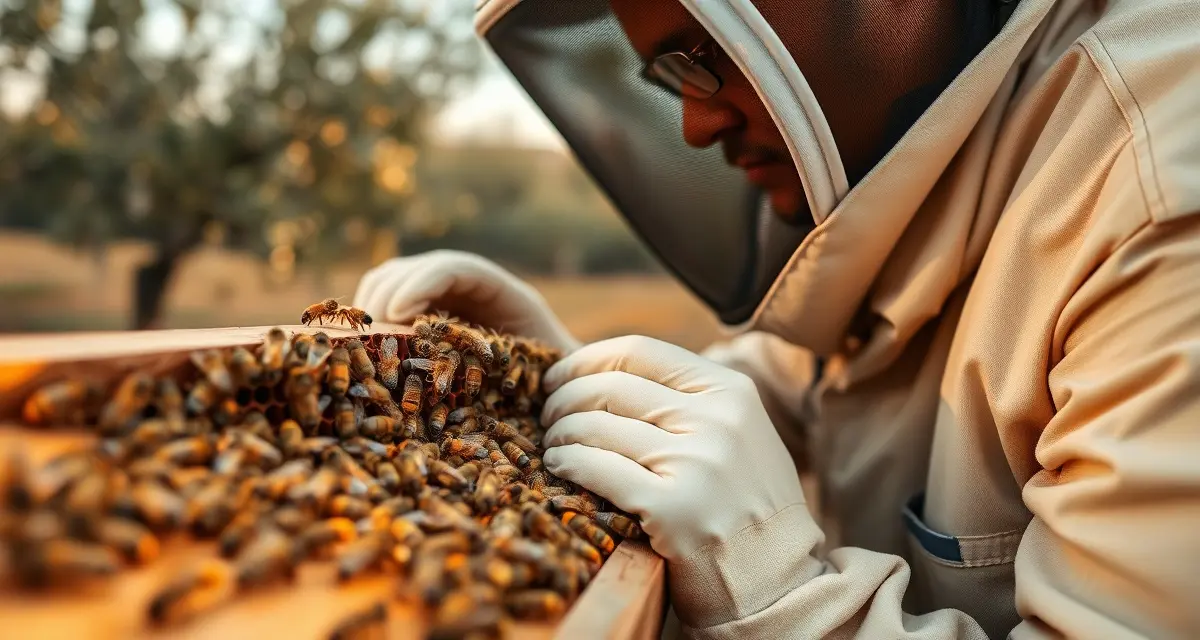
What Almond Growers Expect from Commercial Beekeepers
Understanding what almond growers actually want from a pollination contractor is one of the most useful things a commercial beekeeper can do for their business. Industry surveys consistently find that growers rank reliability and communication above price when selecting pollination contractors. Yet most beekeepers lead with price in their sales conversations and underinvest in the communication and service delivery that actually drives contract renewals.
The financial stakes for growers are real: almond growers who experience poor pollination in a single season lose $800 to $1,500 per acre in nut set. That number crystallizes why a grower who's been burned once becomes extremely demanding about colony strength verification and communication. Your ability to understand and meet their expectations is directly related to your long-term contract retention.
TL;DR
- California almond pollination consumes roughly 80% of the US commercial hive population every February, making it the most supply-constrained pollination market in the country.
- Per-hive rates have held between $185 and $220 for 6-8 frame colonies over recent seasons.
- Contracts are typically signed October through November for the following February season; operators without agreements by December are working from a weak position.
- Hive strength minimums range from 6 to 8 frames of bees depending on the grower, with premium-strength colonies commanding $200-215/hive.
- varroa management, documentation, and logistics coordination in the 6-8 weeks before delivery determine whether almond season is profitable or a breakeven event.
Colony Strength: The Non-Negotiable Standard
Almond growers are increasingly sophisticated about colony strength requirements. The California almond industry standard is 6 frames of bees minimum, and many growers with premium orchards are specifying 8 frames. Some contracts now include third-party hive strength verification through services like the Bee and Pollination Industry Alliance (BPIA) or independent apiary consultants.
The shift toward third-party verification reflects a breakdown in trust between some beekeepers and growers. Growers who've received weak colonies while paying for strong ones don't want to take a contractor's word for it anymore. Operators who consistently deliver what they promise have competitive advantage here, because they don't need third-party verification to be verified against, they're the standard being measured.
Colony strength at delivery is the single most important performance metric. Everything else, timing, communication, documentation, flows from this. If your colonies are strong, growers forgive a lot. If they're weak, good communication doesn't save the contract.
Timing Expectations
Almond growers want hives placed 5 to 7 days before anticipated full bloom. Early delivery means colonies acclimate to the orchard environment and begin foraging before the bloom peak. Late delivery means missed pollination that can't be recovered.
Growers work with bloom timing prediction services and watch weather data closely. They expect their beekeeper to be doing the same. When a warm February compresses the bloom timeline and the grower calls to ask if you can move up your delivery by 3 days, your answer and your ability to execute it defines whether you're a reliable contractor or a problem.
For operators managing almond pollination contracts across multiple growers, the coordination required to flex delivery timing across 10 or 20 clients simultaneously is exactly the kind of operational challenge that separates professional operations from less organized ones.
Communication Frequency and Style
Growers who've been asked directly what they want from their beekeeper in terms of communication are consistent in their answer: proactive contact when something changes, and don't wait for problems to get bad before telling them.
What that looks like in practice:
Before the season: Confirm delivery dates, yard locations, and colony count commitments by December or January at the latest. Growers who aren't sure you're coming are exploring backup contractors.
During delivery: Notify the grower when trucks are loaded and rolling. A text message when you leave plus an estimated arrival time is more than most beekeepers provide and means more to growers than they let on.
During placement: Confirm placement completion and colony count placed. A simple message saying "1,000 hives placed at all five locations, counts attached" is professional and reassuring.
If anything goes wrong: Contact the grower immediately. A truck breakdown, a load that got hot, a yard that's inaccessible due to rain, these are not things to hide and hope the grower doesn't notice. Proactive bad news is manageable. Discovered bad news is a contract-ending event.
Post-season: A close-out report with total hive days, placement verification, and any issues encountered positions you as a professional contractor and sets up the renewal conversation.
Grower-Facing Documentation
Growers increasingly want written documentation to support their crop records and, for organic or premium almond operations, their certification requirements. Standard documentation that growers appreciate includes:
- Delivery confirmation with yard GPS locations and colony counts placed per yard
- Colony strength assessment at delivery (frames of bees, presence of queen and brood)
- Treatment records demonstrating compliance with any pesticide restrictions in the contract
- Pickup confirmation with colony count removed
Grower communication tools that allow you to share this documentation directly through a portal or automated report save you time and give growers the records they want without requiring manual email attachments.
Building Long-Term Relationships
The best almond contracts are renewals. A grower who renewed with you for the fifth consecutive year is not shopping for alternatives, is not demanding third-party verification, and is not pressuring your rate. They've made the calculation that the risk of switching outweighs any marginal savings.
Get to that point by being the kind of contractor you'd want if you were the grower: honest, reliable, proactive, and professional in your documentation and communication. The beekeepers who build 10 and 15-year grower relationships aren't necessarily the lowest-priced or even the highest-performing. They're the most reliable and easiest to work with.
What Growers Want You to Know About Their Operation
Effective grower relationships are two-way. Make it a habit to understand your growers' specific situations: orchard varieties and bloom sequence, typical frost dates, spray programs and notification protocols, how they prefer to communicate (text, email, phone), and what went wrong in past seasons with other contractors.
The grower who told you about the time a contractor delivered 200 hives instead of 400 isn't just venting, they're telling you what not to do. Listen.
Frequently Asked Questions
What do almond growers prioritize when selecting a pollination contractor?
Almond growers consistently rank reliability and communication above price in surveys and direct conversations. Reliability means delivering the contracted number of strong colonies on time, every time, without drama. Communication means proactive contact before, during, and after the season, especially when anything changes or goes wrong. Growers who've had a contractor failure and lost $800 to $1,500 per acre in nut set are acutely aware of the cost of selecting the wrong contractor. A beekeeper who charges 10% more but has a 5-year track record of on-time, verified strong deliveries is the safer and ultimately more economical choice for most growers.
How often do almond growers expect to hear from their pollination contractors?
Proactive communication at key milestones is what growers want most: a confirmation call or email in December confirming the contract details for the upcoming season, a delivery notification when trucks are loaded and en route, a completion notification when hives are placed, and immediate contact if anything unexpected happens. For the rest of the season, growers don't need frequent updates, but they should never hear about a problem from someone other than you. Post-season, a simple close-out report with placement data maintains the professional relationship through the off-season.
What documentation do almond growers need from beekeepers post-season?
Post-season documentation requirements vary by grower, but a standard close-out package should include: delivery records showing placement dates and colony counts placed at each yard, colony strength assessments done at delivery, treatment records demonstrating compliance with any pesticide or organic protocol restrictions in the contract, and pickup records confirming colony counts removed. Organic orchard growers may require more detailed treatment documentation to support their certification. Some growers keep these records for 3 to 5 years for crop insurance and regulatory purposes. Providing clean, organized documentation distinguishes professional contractors from those who provide nothing.
How early should almond pollination contracts be negotiated?
Large almond growers and broker networks begin securing hive commitments in July and August for the following February season. Written contracts are typically signed October through November. Operators who do not have signed agreements by December are working from a weak position since most quality hive inventory is already committed. Start grower outreach in mid-summer and target signed agreements before Thanksgiving.
What documentation is required for hive delivery to California almonds?
California requires a Certificate of Health for out-of-state colonies, issued by the origin state's apiary inspection program within 30 days of entry. The certificate must certify freedom from American foulbrood, European foulbrood, and Varroa destructor below treatment threshold. Some states require small hive beetle freedom for California entry. In addition, many growers now expect documentation of pre-delivery mite counts confirming colonies are below threshold.
What happens to hives after almond season ends in late March?
Post-almond options include moving north for Pacific Northwest cherry or apple pollination in April-May, routing to Michigan or Maine blueberries in May-July, transitioning to summer honey yards in North Dakota or Montana, or staying in California for splits and rebuilding. The right choice depends on hive strength coming out of almonds and downstream contract commitments. Operators who plan their full-year circuit in advance can optimize both pollination revenue and honey production.
Try These Free Tools
Sources
- USDA Agricultural Research Service
- Bee Informed Partnership
- American Beekeeping Federation (ABF)
- Almond Board of California
- University of California Cooperative Extension
Get Started with PollenOps
Almond season is the revenue event that defines the commercial beekeeping year, and the details -- contract terms, delivery timing, hive strength documentation, and invoicing -- determine whether the season is profitable. PollenOps manages the full almond contract lifecycle from quote to final payment, with yard tracking, crew scheduling, and grower communication built in. See how it works for operations from 200 to 5,000 hives.