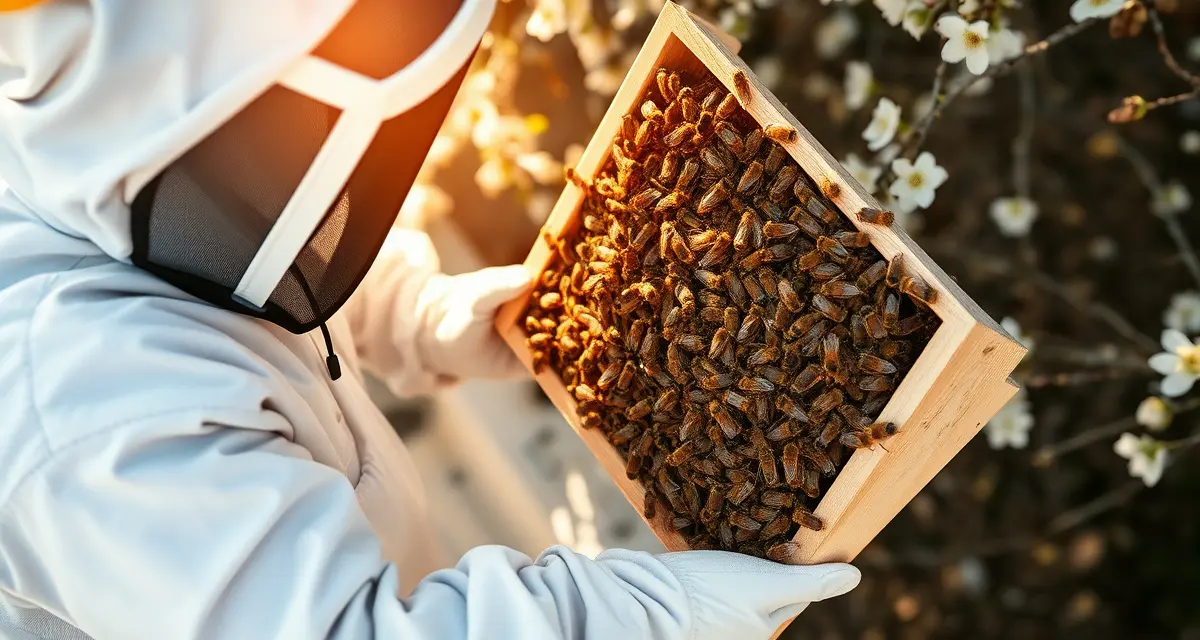
Almond Grower Pollination Checklist
Growers who actively verify compliance with their beekeeper see 20% better crop set outcomes. That's not because verified bees are better bees. It's because beekeepers who know their delivery will be checked show up with stronger colonies and hit their timing windows more precisely. Accountability works.
If you're an almond grower buying pollination services, this checklist covers every question you should ask before bloom and every item you should verify at delivery.
TL;DR
- California almond pollination consumes roughly 80% of the US commercial hive population every February, making it the most supply-constrained pollination market in the country.
- Per-hive rates have held between $185 and $220 for 6-8 frame colonies over recent seasons.
- Contracts are typically signed October through November for the following February season; operators without agreements by December are working from a weak position.
- Hive strength minimums range from 6 to 8 frames of bees depending on the grower, with premium-strength colonies commanding $200-215/hive.
- varroa management, documentation, and logistics coordination in the 6-8 weeks before delivery determine whether almond season is profitable or a breakeven event.
Before You Sign a Contract
The contract stage is where most grower problems start. Vague terms create disputes. Specific terms protect you.
Verify these items before signing:
- Hive count per acre: Industry standard for almonds is 1-2 hives per acre, with most high-yield operations targeting 2. Specify the number in the contract.
- Minimum colony strength: California almond contracts commonly specify 6 frames of bees as the minimum. Write it in. "Strong colonies" is not enforceable.
- Delivery timing: Specify when hives must be in place. Most almond growers target placement at 5-10% bloom, before foragers are fully active in surrounding orchards.
- Pickup timing: Specify when hives leave after bloom. Lingering hives after petal fall can interfere with post-bloom spraying.
- Payment terms: When is payment due? What is the process for disputed deliveries?
- Remedy clause: What happens if the beekeeper delivers fewer hives or below-minimum strength? Specify a per-hive credit or replacement obligation.
A grower who uses PollenOps pollination contract software for growers can access a standardized contract template with all of these clauses already included.
Pre-Delivery Checklist (2 Weeks Before Bloom)
Confirm with your beekeeper:
- [ ] What is the current strength of colonies destined for your orchard?
- [ ] How many colonies does the beekeeper have in pre-delivery assessment?
- [ ] Is the delivery count confirmed, or is there a contingency if colonies fall short?
- [ ] Has the beekeeper obtained any required permits for your county?
- [ ] What is the planned delivery date and timing?
- [ ] What access does the beekeeper need? Gate codes, road width restrictions, weight limits?
- [ ] Where exactly are hives being placed in your orchard?
Ask for a written pre-delivery strength report. Professional beekeeping operations using PollenOps can provide a grower-facing assessment report showing colony counts and strength scores before delivery day.
Delivery Day Checklist
This is your verification window. Once hives are in the orchard, disputes become harder.
At delivery:
- [ ] Count the hives delivered against the contracted number.
- [ ] Inspect a random sample (10-15% of the delivery) for population strength. Are they clearly populated? Can you see bees covering most of the frames?
- [ ] Check that queen cells or signs of a laying queen are visible in sampled hives.
- [ ] Note the GPS coordinates or take photos of placement locations.
- [ ] Record the delivery timestamp.
- [ ] Get a signed delivery confirmation or request a digital confirmation through PollenOps.
You don't need to be a beekeeper to do this check. You're looking for: hives that have obvious populations of bees, frames that are covered (not sparse), and signs of brood activity. If something looks off, call it out at delivery, not a week later.
During Bloom
Weekly checks during bloom period:
- [ ] Are hives still in place? Verify once per week.
- [ ] Are bees visibly active during midday foraging hours (10am-2pm on warm days)?
- [ ] Are there any signs of pesticide exposure (dead bees at entrances, disoriented foragers)?
- [ ] Has the beekeeper been notified of any planned pesticide applications in adjacent fields?
If you notice problems:
Document with photos and timestamps. Contact your beekeeper immediately. If you suspect pesticide exposure from a neighbor's field, notify your county agricultural commissioner.
Access to the almond pollination requirements documentation through the PollenOps grower portal gives you a reference for compliance standards throughout bloom.
Post-Bloom Checklist
- [ ] Confirm pickup date and timing with your beekeeper.
- [ ] Ensure your post-bloom pest management spray schedule accounts for pickup timing.
- [ ] Review your delivery documentation before issuing final payment.
- [ ] Note any issues for discussion or contract modification for next season.
What a Proper Verification Looks Like
Third-party inspection is the gold standard for large almond growers. Independent inspectors verify hive count and minimum strength at delivery. The cost is $3-8 per colony and is typically negotiated into the contract as beekeeper-paid (for strong growers) or split (for fair arrangements).
If you're not using third-party inspection, your own walk-through at delivery using the checklist above provides reasonable documentation.
The PollenOps grower portal gives you a view into your beekeeper's records. If your beekeeper is on PollenOps, you can see their strength scores, delivery timestamp, and GPS placement data without making a phone call. That level of visibility is what eliminates most disputes before they start.
Frequently Asked Questions
What should an almond grower check before bloom regarding their beekeeper contract?
Before bloom, verify that your contract specifies a minimum colony strength (6 frames of bees is standard for almonds), an exact hive count per acre (typically 1-2 per acre), a delivery timing window tied to bloom percentage (most growers target 5-10% bloom), and a remedy clause if the beekeeper fails to deliver. Confirm that your beekeeper has the required county permits for placing hives in your region, and request a pre-delivery strength report showing that their colonies meet your contract minimum. Two weeks before your bloom window is the right time to do this check.
How do I verify that my beekeeper delivered the contracted hive count and strength?
On delivery day, count every hive delivered against your contract number. Then inspect a random sample of 10-15% of the colonies. Open the boxes and look for frames covered with bees and signs of brood activity. Photograph your count and take note of the delivery timestamp. If your beekeeper uses PollenOps, you can access their delivery records, GPS placement coordinates, and pre-move strength scores through the grower portal without needing to physically inspect every hive. This documentation becomes your evidence if a payment dispute arises.
What is a reasonable remedy if my beekeeper fails to meet contract specifications?
A standard remedy clause gives you a per-hive credit for each colony delivered below the contracted strength minimum or a per-hive deduction for each hive short of the contracted count. A typical credit for a below-minimum hive is 25-50% of the per-hive rate. For a complete shortfall, the remedy should include replacement within 48-72 hours during bloom or a full refund for undelivered hives. Negotiate this clause before signing, not after a delivery failure. Beekeepers operating professionally on platforms like PollenOps typically have these terms pre-built into their contract templates.
How early should almond pollination contracts be negotiated?
Large almond growers and broker networks begin securing hive commitments in July and August for the following February season. Written contracts are typically signed October through November. Operators who do not have signed agreements by December are working from a weak position since most quality hive inventory is already committed. Start grower outreach in mid-summer and target signed agreements before Thanksgiving.
What documentation is required for hive delivery to California almonds?
California requires a Certificate of Health for out-of-state colonies, issued by the origin state's apiary inspection program within 30 days of entry. The certificate must certify freedom from American foulbrood, European foulbrood, and Varroa destructor below treatment threshold. Some states require small hive beetle freedom for California entry. In addition, many growers now expect documentation of pre-delivery mite counts confirming colonies are below threshold.
What happens to hives after almond season ends in late March?
Post-almond options include moving north for Pacific Northwest cherry or apple pollination in April-May, routing to Michigan or Maine blueberries in May-July, transitioning to summer honey yards in North Dakota or Montana, or staying in California for splits and rebuilding. The right choice depends on hive strength coming out of almonds and downstream contract commitments. Operators who plan their full-year circuit in advance can optimize both pollination revenue and honey production.
Try These Free Tools
Sources
- USDA Agricultural Research Service
- Bee Informed Partnership
- American Beekeeping Federation (ABF)
- Almond Board of California
- University of California Cooperative Extension
Get Started with PollenOps
Almond season is the revenue event that defines the commercial beekeeping year, and the details -- contract terms, delivery timing, hive strength documentation, and invoicing -- determine whether the season is profitable. PollenOps manages the full almond contract lifecycle from quote to final payment, with yard tracking, crew scheduling, and grower communication built in. See how it works for operations from 200 to 5,000 hives.