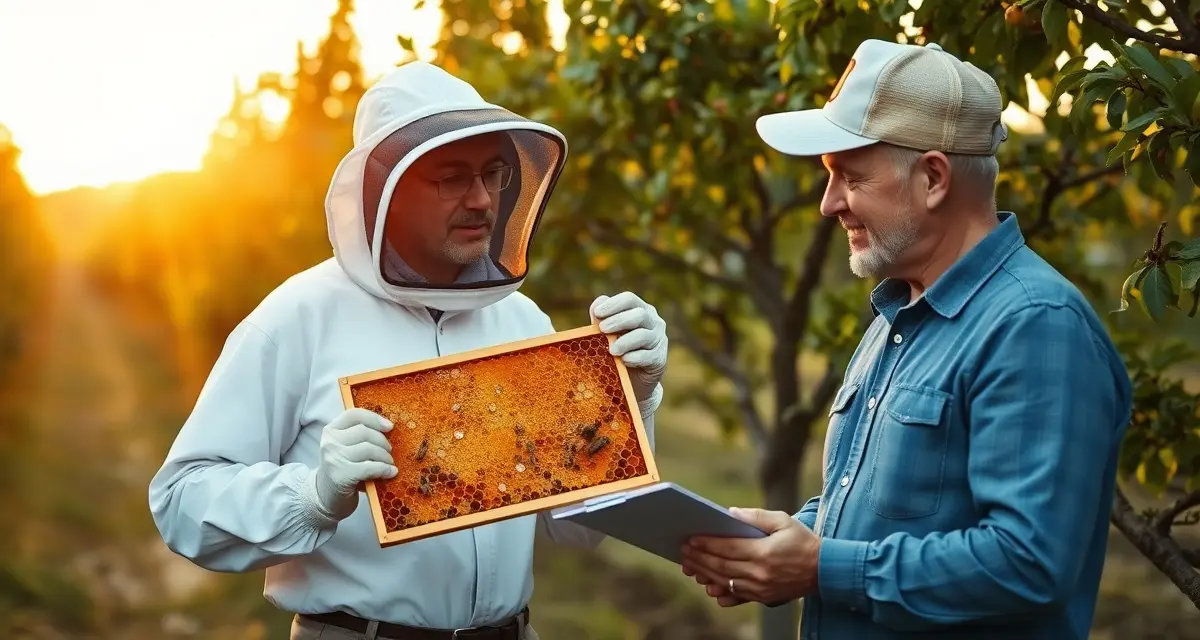
Effective Grower Communication for Pollination Beekeepers
Growers who receive three or more updates per season from their beekeeper renew contracts at a 45 percent higher rate than those who receive fewer. The math is simple: regular communication builds trust, and trust drives renewal. Growers who are kept informed feel like active participants in a professional service relationship rather than buyers who paid upfront and then waited to see what happened.
PollenOps automated grower update schedule sends placement, bloom, and invoice notifications on your behalf, turning what would be a time-intensive manual communication program into a background function that runs without your daily attention. The automation ensures that even your busiest weeks during almond season don't result in communication gaps that erode grower confidence.
TL;DR
- Growers prioritize reliability, documentation, and consistent colony quality when selecting pollination service providers.
- Operators who deliver the contracted hive count on the agreed date with documented colony strength build the trust that drives multi-season relationships.
- Grower-facing reports showing hive placement and colony strength records are a practical differentiator for operators competing on service quality.
- Most grower disputes originate from hive count, strength, or payment term disagreements that could be prevented with clearer written contracts.
- Multi-year grower relationships generate more stable revenue per hive than spot-market placements and reduce pre-season sales effort.
The Right Communication Cadence
The minimum professional communication standard for a pollination contracts is four touchpoints:
Pre-season: A message confirming the contract terms, your planned delivery timeline, and who to contact for any questions. This goes out in January or February for almond season, or at least 30 days before planned delivery for other crops.
Delivery confirmation: Sent within one hour of hive placement, including the PollenOps delivery report with GPS placement map, hive count confirmation, and timestamped photos. This is the most important single communication in the relationship and should be automatic and prompt, not delayed or informal.
Mid-season bloom update: During active bloom, a brief update on colony foraging activity and any weather-related conditions affecting your colonies' performance. Especially important during cold snaps, rain events, or other weather disruptions that reduce bee flight.
Invoice and season close: The final invoice with a summary of the season's delivery documentation attached. Professional, timely invoicing is itself a communication that signals reliability.
Growers who receive all four touchpoints report significantly higher satisfaction with their beekeeper relationship than those who receive only delivery confirmation and invoice.
What to Include in Each Update
Pre-season message: Confirm contracted hive count, target delivery date, your pre-move strength assessment timeline, and who to contact with questions. Mention that the grower will receive an automated delivery report within one hour of placement. Setting expectations for the communication format means growers know what's coming and aren't surprised by the PollenOps report format when it arrives.
Delivery confirmation: The PollenOps automated delivery report handles this automatically. Review the report before it goes out (or at minimum review your settings to confirm the automated report is triggered at completion) to ensure your grower contact is current and the report format looks professional.
Bloom update: A brief 3 to 4 sentence email or text noting current bloom stage, colony foraging activity, and any notable conditions. "Your Nonpareil blocks are at full bloom, your colonies are flying actively. We had a cold morning yesterday but afternoon temperatures are supporting good foraging. Everything looks on track." This takes 2 minutes to write and demonstrates attentiveness that most informal beekeepers don't provide.
Weather event communication: When a frost, heavy rain, or cold snap affects bloom and foraging, reach out proactively. Don't wait for the grower to call and ask. "We had overnight frost at 26 degrees. Your colonies are clustering but should resume active foraging when temperatures rise above 55 this afternoon. I'll monitor this afternoon and update you." Growers who receive this kind of proactive weather communication are reassured rather than anxious.
Invoice: Send with the season's delivery documentation attached. Use the PollenOps pollination service invoicing system to generate a professional invoice that references the delivery report, the contracted amount, and the payment due date clearly.
What PollenOps Automates for You
PollenOps automates the most time-sensitive communication functions:
Delivery report: Generated automatically within one hour of each driver check-in at a delivery yard. The report includes GPS placement map, timestamped photos, hive count confirmation, and delivery timing relative to the contracted window. This goes to your grower contact on file without any action required from you after the delivery is completed.
Bloom alert notification: When PollenOps bloom timing data indicates a contracted crop is approaching bloom, the system can notify your grower contact of the upcoming delivery window. This keeps the grower in the loop on timing without requiring you to monitor bloom data manually for each contract.
Invoice notification: When you generate an invoice in PollenOps, the system sends an email notification to the grower contact with the invoice attached and a link to their grower portal where they can review the full delivery documentation.
The grower-facing pollination report feature and the beekeeper-grower relationship management system in PollenOps work together to create a communication history that both you and your grower can reference throughout the season and at renewal.
Common Communication Mistakes to Avoid
Going silent during weather disruptions. A cold week during almond bloom is stressful for growers. Not hearing from their beekeeper during that week is more stressful than hearing bad news promptly. Communicate proactively when conditions are difficult, even if there's nothing actionable to report.
Sending invoices without documentation. An invoice for $24,000 sent with no delivery documentation attached creates friction even when the season went perfectly. Attach the delivery report to every invoice so the grower has the service record and the billing request in one package.
Using casual communication for formal matters. Text messages for delivery confirmation and count disputes create ambiguous records. Use PollenOps messaging or email for anything that might become a contract record, and keep the tone professional.
Communicating only when there are problems. If the season goes smoothly, don't let that silence be your only communication between delivery and invoice. A brief mid-season update acknowledging that everything is on track takes 2 minutes and adds significantly to the grower's confidence in the relationship.
Frequently Asked Questions
How often should I communicate with my growers during pollination season?
The minimum effective communication cadence is four touchpoints: a pre-season confirmation (30+ days before delivery), a delivery confirmation within one hour of placement, a mid-season bloom update (especially important during weather events), and the final invoice with delivery documentation attached. Growers who receive three or more season updates renew at a 45 percent higher rate than those who receive fewer. During weather disruptions, additional proactive communication outside this baseline significantly reduces grower anxiety and strengthens the relationship.
What information should I include in grower updates?
Grower updates should be brief, specific, and actionable. For a bloom update: current bloom stage, colony foraging activity level, any weather conditions affecting foraging, and whether any issues need grower attention. For a weather event update: specific conditions (temperature, precipitation), immediate impact on colony activity, and expected recovery timeline. For a delivery confirmation: the PollenOps automated report handles this automatically with GPS placement data, hive count, and photos. Avoid vague updates that don't give growers concrete information about what's happening with their contracted hives.
Can PollenOps send automated updates to growers on my behalf?
Yes. PollenOps automates the delivery report (sent within one hour of each driver check-in at a delivery yard), bloom alert notifications to grower contacts when contracted crops approach bloom, and invoice notifications with attached documentation when you generate an invoice. These automated touchpoints run without daily attention from you during high-activity periods. For mid-season bloom updates and weather event communication, you're writing those manually, but the delivery confirmation and invoice notifications are handled automatically through the system.
What do growers look for when evaluating a pollination service provider?
Growers prioritize reliability, documentation, and consistent colony quality. An operator who delivers the contracted hive count on the agreed date with documented colony strength meeting the contract standard builds the trust that leads to multi-season relationships. Growers also value operators who communicate proactively: notifying about delivery timing, responding quickly to questions, and providing placement confirmation when hives are in position. Professional invoicing and organized records signal that an operation can handle commercial-scale work.
How do growers verify hive count and strength at delivery?
Methods range from visual inspection by the grower or farm manager to third-party inspection by a certified apiary inspector or university extension service. Large corporate grower operations often employ agricultural consultants to assess hive strength at delivery. Third-party inspection provides the most defensible standard for both parties. Operators who are confident in their colonies should welcome third-party verification in writing, since it protects against unfounded claims as well as confirming compliance.
How can beekeepers improve grower retention rates?
The most effective retention strategies combine consistent delivery performance with professional communication and documentation. Growers who receive a placement confirmation with hive count and GPS yard location, a mid-season check-in, and a season-end report are far more likely to renew than those who experience the operator only at drop-off and pickup. A grower portal that lets growers view placement status and hive documentation without calling the operator reduces friction and builds confidence in the service.
Try These Free Tools
Sources
- USDA Agricultural Research Service
- Bee Informed Partnership
- American Beekeeping Federation (ABF)
- American Honey Producers Association
- Almond Board of California
Get Started with PollenOps
Growers who receive professional, documented reports of hive placement and colony strength are more likely to renew contracts and refer new business. PollenOps makes grower communication and reporting straightforward, generating placement confirmations and documentation directly from your operational data.