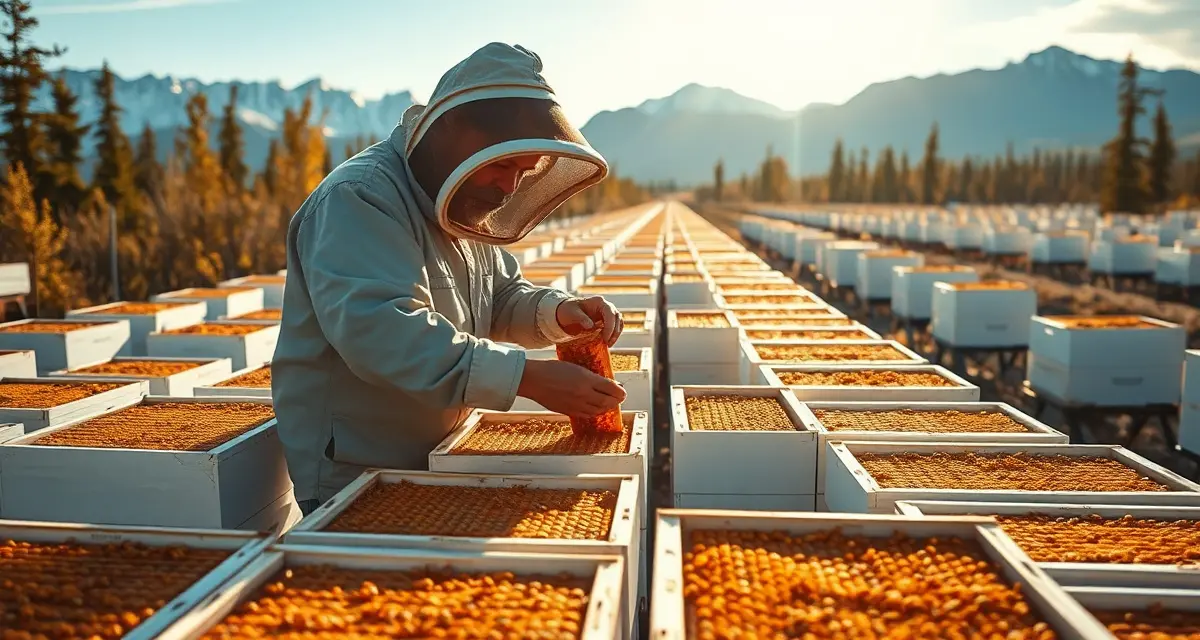
Alaska Apiary Regulations for Commercial Beekeeping Operations
Alaska has unique apiary regulations adapted to its isolated geography and extremely short beekeeping season. The state bans certain bee imports to protect its disease-free zones, and its climate limits commercial beekeeping to a small window in the summer months. Alaska's apiary regulatory environment is among the most protective in the country alongside Hawaii, reflecting the state's desire to keep its colonies free from certain pests and diseases.
For mainland commercial beekeeping operations, Alaska is generally not part of a migratory circuit due to the logistics and short season constraints. However, operators with an interest in Alaska's unique environment or in supplying the state's domestic beekeeping community should understand the regulatory framework.
TL;DR
- Alaska's primary commercial beekeeping role is shaped by its crop mix, climate, and position on the national pollination circuit.
- Pollination rates in Alaska range $65-220/hive depending on crop depending on crop and colony strength requirements.
- Out-of-state operators entering Alaska for pollination contracts must register with the state agricultural authority and obtain a Certificate of Health.
- Alaska functions as either a primary pollination destination, a seasonal honey production location, or a transitional stop depending on the circuit.
- Tracking permit status, registration documents, and yard records for Alaska operations requires organized record-keeping before the season opens.
Alaska's Import Restrictions
Alaska restricts the importation of honey bees and beekeeping equipment to protect its disease status. The Alaska Division of Agriculture administers these restrictions, and the specific requirements have evolved over time to address emerging pest threats.
Alaska has historically banned the importation of used beekeeping equipment from most states due to the risk of importing American foulbrood spores, small hive beetle, and other pests not established in Alaska. The ban on live bee imports has been more nuanced, with some queen importation allowed under specific permit conditions from specific origin states.
Contact the Alaska Division of Agriculture directly before any planned bee or equipment movement to Alaska, as requirements are specific and can be updated. Relying on secondhand information about what Alaska allows is not sufficient given the potential consequences of a prohibited import.
Alaska Apiary Registration
Alaska requires annual apiary registration through the Alaska Division of Agriculture. All beekeeping operations in the state, including any out-of-state operators who legally place hives in Alaska, must register colony locations and counts.
Given Alaska's geographic isolation, the commercial beekeeping community in the state is small and most participants know each other. The regulatory environment is less complex in terms of volume than major lower-48 states, but the import restrictions are among the most consequential of any state.
For state apiary registration requirements across the US, Alaska's approach represents the protective end of the regulatory spectrum.
Commercial Opportunities in Alaska
Alaska's commercial beekeeping opportunities are limited by its short summer season and its geography. Honey production is possible in the Matanuska-Susitna Valley (the Mat-Su Valley) north of Anchorage and in the Kenai Peninsula, where fireweed honey is particularly prized.
Pollination services are possible for the Mat-Su Valley's agricultural production, which includes greenhouse operations and some field crops, but the scale doesn't support large commercial operations by Lower-48 standards.
For commercial beekeeping in Alaska, the most realistic commercial opportunity is small-scale premium honey production from fireweed and other native sources, targeting Alaska's premium local honey market.
Frequently Asked Questions
What registration is required for commercial beekeeping in Alaska?
Alaska requires annual apiary registration for all beekeeping operations in the state through the Alaska Division of Agriculture. Registration covers colony locations and counts and requires annual renewal. The commercial beekeeping community in Alaska is small, and direct contact with Alaska Division of Agriculture staff is the most reliable way to understand current requirements. Contact them before starting any beekeeping operation in Alaska.
Can you import colonies or queens into Alaska?
Alaska has restrictions on importing live honey bees and beekeeping equipment. The specific current restrictions depend on origin state, bee type, and whether the import is colonies, packages, or queens. Some queen imports have been permitted under specific conditions from specific states. Used equipment imports are generally restricted. Contact the Alaska Division of Agriculture's Plant Materials Center before any planned import to understand current specific restrictions for your situation. Requirements can change based on pest and disease threats, so verify current rules each season.
What unique regulations apply to beekeeping in Alaska?
Alaska's apiary regulations focus heavily on preventing the introduction of pests and diseases not yet established in the state. Import restrictions on live bees and used equipment are the most distinctive feature. Alaska also has a short beekeeping season (May through August in most areas) that shapes what's commercially viable. Registration requirements are similar to other states but the compliance context is different because Alaska's disease status is genuinely valuable and inspectors treat import compliance seriously. Alaska's climate and isolation mean colony management practices differ from the Lower-48 as well, with different winter hive preparation needs and different forage availability.
What is the process for registering an out-of-state apiary in a new state?
Most states require out-of-state operators to register with the state department of agriculture apiary program before placing colonies. The process typically involves submitting a registration application (online or paper), paying a fee (usually $10-50 per location), and providing contact information for the operation. Some states also require the registration to be renewed annually. Contact the destination state's department of agriculture apiary program at least 60 days before your planned arrival to confirm current requirements.
What documentation do state apiary inspectors typically review?
State apiary inspectors review health certificates for out-of-state colonies, registration documentation, and colony inspection records during apiary visits. Inspectors check for signs of American foulbrood, European foulbrood, and other regulated pests and diseases. Operations with organized digital records that include treatment history and mite counts typically have faster, less complicated inspections than operations without documentation. Some state inspectors also verify that varroa mite loads are below state entry thresholds.
What triggers a state apiary inspection?
State apiary inspections can be triggered by routine inspection schedules (most states inspect a percentage of registered apiaries annually), neighbor or landowner complaints, disease reports from nearby operations, or inspection requirements tied to state entry permits. California, in particular, has the right to inspect incoming loads at port of entry for commercial beekeeping operations. Maintaining current registration and organized records makes required inspections faster and less disruptive.
Try These Free Tools
Sources
- USDA Agricultural Research Service
- Bee Informed Partnership
- American Beekeeping Federation (ABF)
- Alaska Department of Agriculture
- Project Apis m.
Get Started with PollenOps
Commercial operations working in Alaska face the same registration, permit, and documentation requirements as any state on the national circuit -- plus Alaska's specific regulatory requirements. PollenOps tracks your Alaska yard records, contract assignments, and permit documentation alongside your full operation, so entering a new state doesn't add a separate administrative burden. See how the platform fits operations working across multiple states.