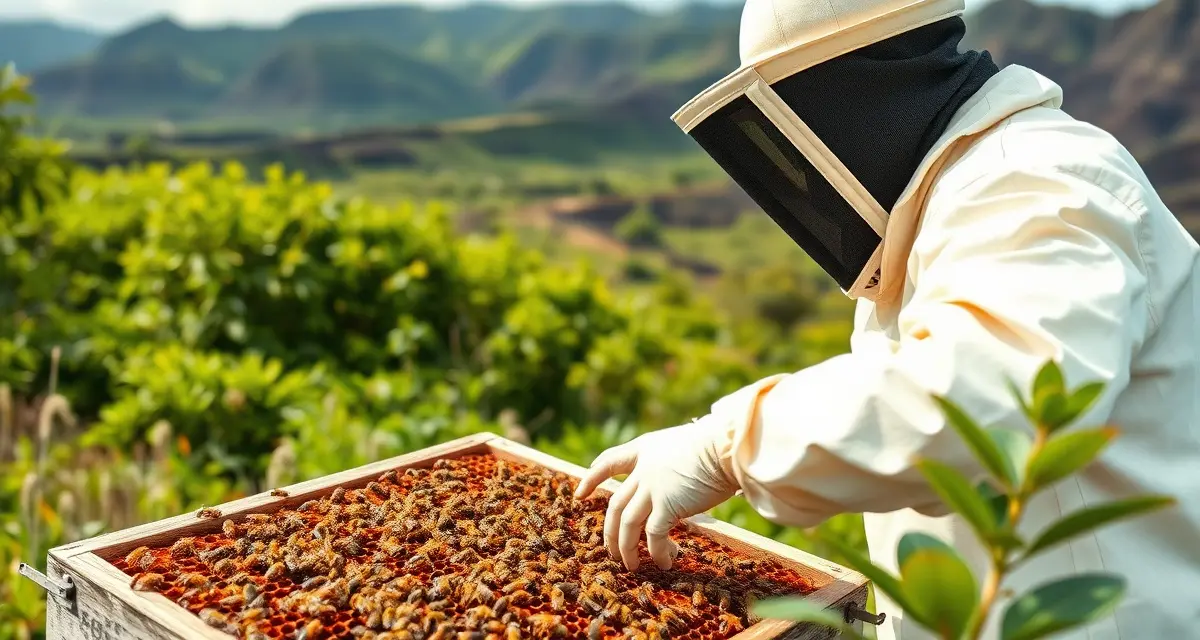
Hawaii Apiary Regulations for Commercial Beekeeping Operations
Hawaii has the most restrictive beekeeping import regulations of any US state, and for good reason. Several Hawaii islands, most notably Maui and the Big Island, are varroa-free, which is an extraordinary status that would be permanently lost if varroa were introduced. Hawaii bans the importation of honey bees and used beekeeping equipment to protect this status. Any import violation can destroy the varroa-free condition on those islands, harming a beekeeping community that relies on it.
For commercial beekeepers on the mainland, Hawaii's regulations are not a minor inconvenience. They are a genuine barrier that means bringing mainland colonies or equipment to Hawaii is essentially prohibited. Understanding this reality prevents costly mistakes.
TL;DR
- Hawaii's primary commercial beekeeping role is shaped by its crop mix, climate, and position on the national pollination circuit.
- Pollination rates in Hawaii range $65-220/hive depending on crop depending on crop and colony strength requirements.
- Out-of-state operators entering Hawaii for pollination contracts must register with the state agricultural authority and obtain a Certificate of Health.
- Hawaii functions as either a primary pollination destination, a seasonal honey production location, or a transitional stop depending on the circuit.
- Tracking permit status, registration documents, and yard records for Hawaii operations requires organized record-keeping before the season opens.
Hawaii's Import Restrictions
Hawaii state law prohibits the importation of live honey bees, including queens, packages, and nucleus colonies, from anywhere outside the state. This prohibition exists because of the varroa mite and other pests and pathogens that are present on the mainland but not on varroa-free Hawaiian islands.
Used beekeeping equipment, including hive bodies, frames, and extracted equipment that has had contact with bees, is similarly restricted. The concern is that used equipment can harbor varroa mites, American foulbrood spores, small hive beetle eggs, and other risks.
These restrictions apply regardless of what the operator's origin state certification says. Even a completely clean health certificate from California does not allow importation of live bees or used equipment into Hawaii.
What Is Allowed
New, unused beekeeping equipment (not yet used with bees) can be imported to Hawaii. This allows commercial operators starting a Hawaii operation to bring new hive bodies, frames, and other equipment.
Queens produced within Hawaii from local stock can be moved between islands with permit, though this is subject to specific requirements for each island's status.
For commercial beekeeping in Hawaii, the operating reality is that commercial honey production uses locally raised colonies, locally produced queens, and either locally made or new equipment. There is no pathway to bring your mainland operation to Hawaii.
Hawaii Apiary Registration
Hawaii requires annual apiary registration for all beekeeping operations in the state. The Hawaii Department of Agriculture's Plant Quarantine Branch oversees registration and apiary regulation. Contact the Hawaii Department of Agriculture for current registration forms, fees, and procedures.
Commercial Opportunities in Hawaii
Hawaii's beekeeping industry operates entirely with locally established bees. The state has commercial honey operations producing macadamia honey, Christmas berry honey, and other unique Hawaiian varieties. Hawaii honey commands premium retail prices both domestically and internationally.
Commercial opportunities in Hawaii for a mainland-based operator would require establishing operations using locally sourced bees and equipment from within Hawaii, which is a fundamentally different starting point than relocating a mainland operation to the islands.
Frequently Asked Questions
What are Hawaii's beekeeping import restrictions?
Hawaii bans the importation of live honey bees, including queens, packages, and nucleus colonies, from anywhere outside the state. Used beekeeping equipment that has had contact with bees is also banned from importation. These bans protect Hawaii's varroa-free islands and the overall disease-free status of portions of the state. New, unused equipment can be imported. Any violation of these import restrictions is taken seriously and can result in confiscation and legal consequences. Contact the Hawaii Department of Agriculture's Plant Quarantine Branch before any planned import to understand current restrictions.
Can you bring colonies or queens to Hawaii from the mainland?
No. Hawaii's state law prohibits the importation of live honey bees, including queens and colonies, from outside the state. This prohibition applies to all mainland US states and all foreign countries. The prohibition exists to protect varroa-free islands including Maui and the Big Island, where varroa has never been established. Even queens from states with clean health certifications cannot be imported. Hawaii's internal queen movement between islands is regulated separately and may be permitted in specific circumstances, but mainland-to-Hawaii movement of live bees is prohibited.
What registration is required for commercial beekeeping in Hawaii?
Hawaii requires annual apiary registration for all beekeeping operations in the state through the Hawaii Department of Agriculture's Plant Quarantine Branch. Registration covers colony counts and yard or yard area locations and requires annual renewal. Commercial operators in Hawaii register the same way as backyard beekeepers, with fee schedules based on colony count. Contact the Hawaii Department of Agriculture for current registration forms, fees, and any procedure updates. Given Hawaii's unique regulatory environment, direct contact with state apiary staff is recommended for any questions about compliance.
What is the process for registering an out-of-state apiary in a new state?
Most states require out-of-state operators to register with the state department of agriculture apiary program before placing colonies. The process typically involves submitting a registration application (online or paper), paying a fee (usually $10-50 per location), and providing contact information for the operation. Some states also require the registration to be renewed annually. Contact the destination state's department of agriculture apiary program at least 60 days before your planned arrival to confirm current requirements.
What documentation do state apiary inspectors typically review?
State apiary inspectors review health certificates for out-of-state colonies, registration documentation, and colony inspection records during apiary visits. Inspectors check for signs of American foulbrood, European foulbrood, and other regulated pests and diseases. Operations with organized digital records that include treatment history and mite counts typically have faster, less complicated inspections than operations without documentation. Some state inspectors also verify that varroa mite loads are below state entry thresholds.
What triggers a state apiary inspection?
State apiary inspections can be triggered by routine inspection schedules (most states inspect a percentage of registered apiaries annually), neighbor or landowner complaints, disease reports from nearby operations, or inspection requirements tied to state entry permits. California, in particular, has the right to inspect incoming loads at port of entry for commercial beekeeping operations. Maintaining current registration and organized records makes required inspections faster and less disruptive.
Try These Free Tools
Sources
- USDA Agricultural Research Service
- Bee Informed Partnership
- American Beekeeping Federation (ABF)
- Hawaii Department of Agriculture
- Project Apis m.
Get Started with PollenOps
Commercial operations working in Hawaii face the same registration, permit, and documentation requirements as any state on the national circuit -- plus Hawaii's specific regulatory requirements. PollenOps tracks your Hawaii yard records, contract assignments, and permit documentation alongside your full operation, so entering a new state doesn't add a separate administrative burden. See how the platform fits operations working across multiple states.