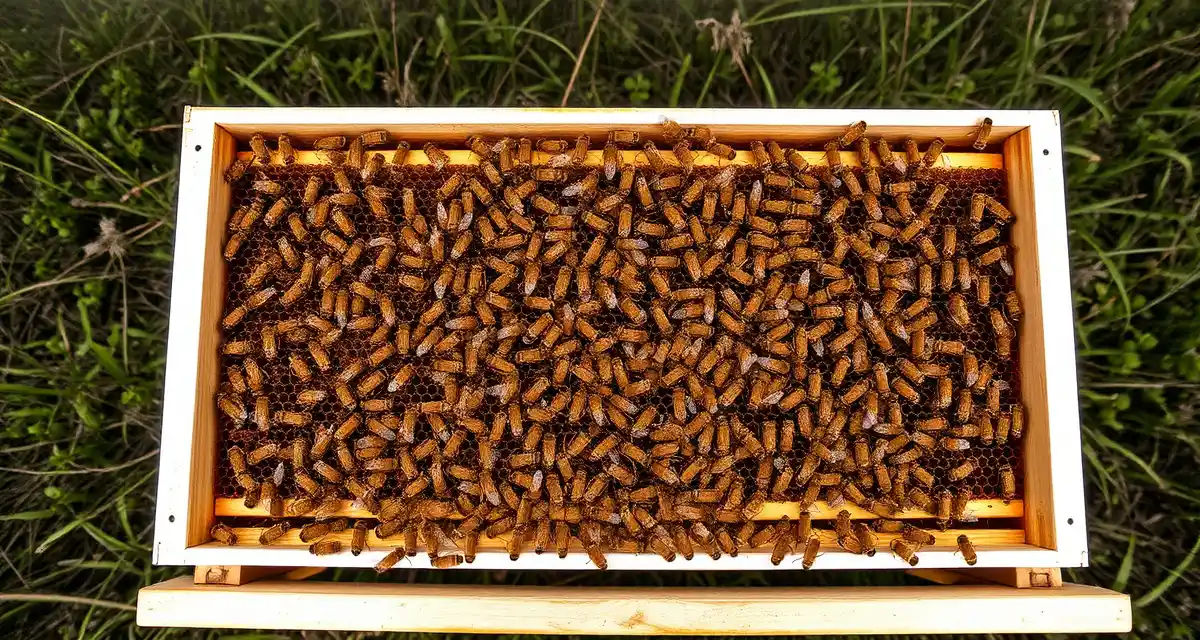
Cranberry Pollination in Oregon: Coos County and the Coast
Oregon cranberry production concentrates in Coos County along the southern coast, making it one of the smaller but more geographically focused cranberry markets in the western US. The Bandon area in Coos County is the center of Oregon's cranberry production, with operations that have been producing commercially for decades in the bog conditions created by the coastal climate and the Coquille River watershed.
Oregon cranberry bloom runs June through July, bridging berry and honey seasons for Pacific Northwest operators. For beekeepers working Oregon blueberry contracts in the Willamette Valley or the coast range, adding Coos County cranberry creates incremental income without major route changes, since the southern coast is within range of both Portland-area operations and the Willamette Valley production zone.
TL;DR
- Oregon's primary commercial beekeeping role is shaped by its crop mix, climate, and position on the national pollination circuit.
- Pollination rates in Oregon range $65-220/hive depending on crop depending on crop and colony strength requirements.
- Out-of-state operators entering Oregon for pollination contracts must register with the state agricultural authority and obtain a Certificate of Health.
- Oregon functions as either a primary pollination destination, a seasonal honey production location, or a transitional stop depending on the circuit.
- Tracking permit status, registration documents, and yard records for Oregon operations requires organized record-keeping before the season opens.
The Bandon Cranberry Market
Bandon's cranberry operations have a distinct identity as premium-quality producers marketing under the Bandon brand, which is recognized regionally for coastal-grown cranberries. The tight geographic concentration of Coos County production means the grower community is small and relationship-driven. There are not dozens of potential cranberry grower accounts in Oregon; there are a manageable number of established operations that control most of the commercial acreage.
This concentration is both a challenge and an advantage for building relationships. The challenge is that existing beekeeper relationships are entrenched, since the small community knows its suppliers well. The advantage is that once you establish even one strong relationship in the Bandon cranberry community, referrals to neighboring operations are likely because growers talk to each other constantly.
Contact the Coos County Farm Bureau and the Oregon Cranberry Growers Association for initial introductions. The Oregon State University Extension Service has a presence in Coos County that supports local agricultural producers and can provide context on the cranberry grower community.
Bloom Timing and PNW Circuit Integration
Oregon cranberry bloom in June and July runs at the same time as Washington cranberry, Pacific Northwest blueberry, and the early stages of summer honey production in the region. For operators running a full Pacific Northwest circuit, the southern Oregon coast is at the geographic edge of what's efficiently combinable with inland valley operations.
The distance from the Willamette Valley to Bandon is roughly 220 miles. For a small number of contracts, that's a significant deadhead. Oregon cranberry makes the most sense for operators who are already positioned in coastal Oregon for another reason, or for smaller Oregon-focused operations that can build a local circuit around coastal cranberry, blueberry, and other crops in the adjacent geography.
Comparing Oregon and Wisconsin cranberry markets is useful for operators who run multiple cranberry regions. Wisconsin is by far the larger cranberry market, with the cranberry pollination market centered around Warrens and the Wisconsin Rapids area. Oregon rates are competitive, but the market volume is smaller.
Colony Strength and Coastal Conditions
The Coos County coast is characterized by fog, marine influence, and moderate temperatures that rarely get very hot or very cold. This climate is similar to Washington's cranberry coast further north. Bee foraging is reduced during fog periods and overcast cool mornings, which is frequent in coastal Oregon even in summer.
Strong colonies tolerate the reduced foraging conditions better than weaker ones. Oregon cranberry growers typically require 2 to 4 hives per acre and 6 to 8 frames of bees at delivery. Given the coastal climate challenges, delivering colonies toward the higher end of the strength range is worth prioritizing if you're aiming to establish a reputation in this tight-knit market.
Make sure your Oregon commercial beekeeping apiary registration and compliance documentation are current before approaching Coos County growers. Oregon's import requirements for out-of-state hive movement apply, and having paperwork in order before your first grower meeting demonstrates the professionalism that differentiates you from informal service providers.
Rates and Contract Terms
Oregon cranberry pollination rates run $80 to $120 per hive, similar to Washington cranberry. Some Bandon-area premium producers may pay slightly higher for documented high-strength delivery given their premium market positioning. Sign contracts in March or April for June placements.
payment terms of 25 percent deposit at signing with balance due net-30 after bloom placement are standard. Include a weather clause acknowledging coastal foraging conditions, since fog-bound weeks during bloom are not unusual in Coos County even in June.
Oregon vs. Wisconsin Cranberry
Wisconsin is the dominant US cranberry state, producing roughly 60 percent of the national crop in the marshes of central and northern Wisconsin. For operators running a Midwest summer circuit, Wisconsin cranberry around Warrens and Wisconsin Rapids is a significantly larger market than Oregon in terms of total hive demand. Wisconsin cranberry bloom also runs June and July, creating direct calendar competition between the two markets for operators who might consider both.
Oregon makes more sense for Pacific Northwest-focused operators than for those centered in the Midwest. The geographic logic of your existing circuit should drive the decision rather than trying to serve both Oregon and Wisconsin markets simultaneously.
Frequently Asked Questions
How do you get cranberry contracts in Oregon?
Contact the Coos County Farm Bureau and Oregon Cranberry Growers Association for grower introductions in the Bandon area. The Oregon State University Extension Service in Coos County also works with local cranberry producers. The community is small and referral-driven, so your first good relationship there is the key to others. Make contact in March or April for June placements. Lead with your strength documentation and professional contract proposal. Being known as a reliable, professionally documented service provider is particularly valuable in a tight-knit small market.
When is cranberry bloom in Oregon?
Oregon cranberry bloom runs June through July in Coos County's coastal production area around Bandon. The timing aligns with Washington cranberry bloom further north, and both overlap with Pacific Northwest blueberry and summer honey seasons. Year-to-year variation is typical, with warm springs pushing bloom earlier and cool springs delaying it. Contact your Coos County grower contacts in May for updated bloom timing estimates as the season approaches rather than relying on calendar averages alone.
How does Oregon cranberry compare to Wisconsin cranberry rates?
Oregon cranberry rates run $80 to $120 per hive, roughly comparable to Wisconsin cranberry rates of $90 to $130 per hive. Wisconsin is a significantly larger market in terms of total hive demand, since it produces about 60 percent of US cranberries in the central Wisconsin marsh area. Oregon makes more economic sense for Pacific Northwest-focused operators who can integrate it into an existing coastal Oregon circuit without deadheading across the country. Wisconsin is the better choice for Midwest-based operators running summer circuits through the Great Lakes region.
What is the process for registering an out-of-state apiary in a new state?
Most states require out-of-state operators to register with the state department of agriculture apiary program before placing colonies. The process typically involves submitting a registration application (online or paper), paying a fee (usually $10-50 per location), and providing contact information for the operation. Some states also require the registration to be renewed annually. Contact the destination state's department of agriculture apiary program at least 60 days before your planned arrival to confirm current requirements.
What documentation do state apiary inspectors typically review?
State apiary inspectors review health certificates for out-of-state colonies, registration documentation, and colony inspection records during apiary visits. Inspectors check for signs of American foulbrood, European foulbrood, and other regulated pests and diseases. Operations with organized digital records that include treatment history and mite counts typically have faster, less complicated inspections than operations without documentation. Some state inspectors also verify that varroa mite loads are below state entry thresholds.
What triggers a state apiary inspection?
State apiary inspections can be triggered by routine inspection schedules (most states inspect a percentage of registered apiaries annually), neighbor or landowner complaints, disease reports from nearby operations, or inspection requirements tied to state entry permits. California, in particular, has the right to inspect incoming loads at port of entry for commercial beekeeping operations. Maintaining current registration and organized records makes required inspections faster and less disruptive.
Try These Free Tools
Sources
- USDA Agricultural Research Service
- Bee Informed Partnership
- American Beekeeping Federation (ABF)
- Oregon Department of Agriculture
- Project Apis m.
Get Started with PollenOps
Commercial operations working in Oregon face the same registration, permit, and documentation requirements as any state on the national circuit -- plus Oregon's specific regulatory requirements. PollenOps tracks your Oregon yard records, contract assignments, and permit documentation alongside your full operation, so entering a new state doesn't add a separate administrative burden. See how the platform fits operations working across multiple states.