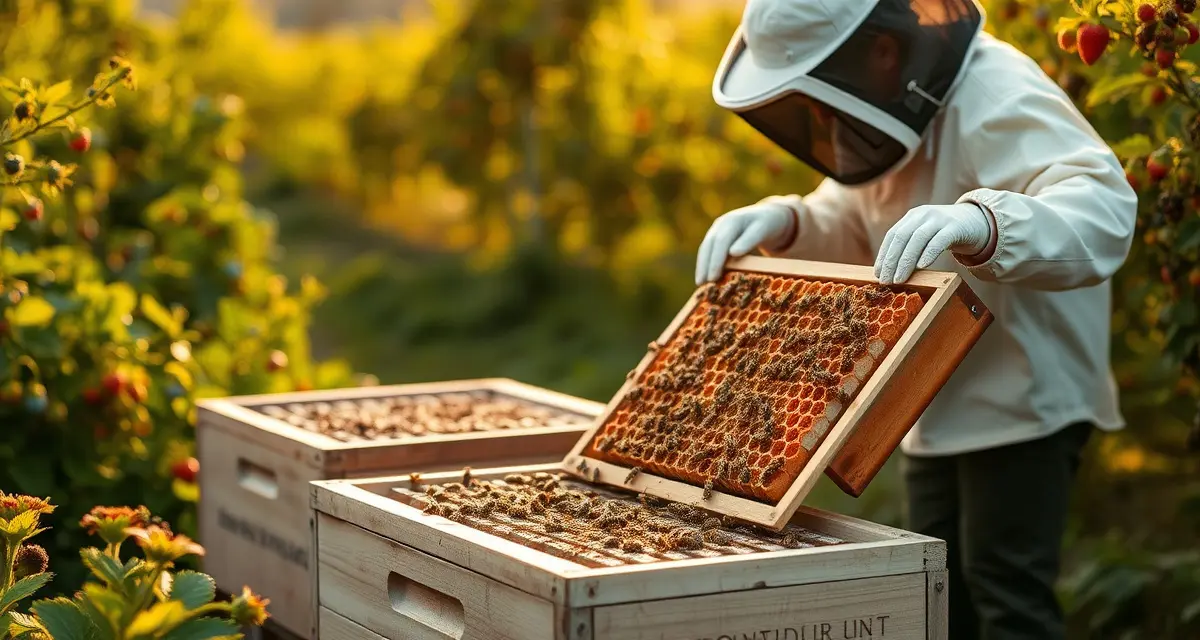
Berry Crop Pollination in Oregon: Strawberry Blueberry and Blackberry
Oregon produces more blackberries than any other state and has significant blueberry and strawberry acreage in the Willamette Valley and coastal areas. The state's diverse berry crop production creates a multi-crop pollination opportunity that runs from April through July, bridging the gap between California almond exit and Washington cherry and apple work.
Oregon berry pollination runs April through July, which is extended enough that well-positioned operators can work the full season with the same colonies moving between crops as each blooms. This extended window is one of Oregon's advantages over single-crop spring markets.
TL;DR
- Oregon's primary commercial beekeeping role is shaped by its crop mix, climate, and position on the national pollination circuit.
- Pollination rates in Oregon range $65-220/hive depending on crop depending on crop and colony strength requirements.
- Out-of-state operators entering Oregon for pollination contracts must register with the state agricultural authority and obtain a Certificate of Health.
- Oregon functions as either a primary pollination destination, a seasonal honey production location, or a transitional stop depending on the circuit.
- Tracking permit status, registration documents, and yard records for Oregon operations requires organized record-keeping before the season opens.
Oregon Berry Crop Overview
Strawberries: Oregon's strawberry production is concentrated in Marion County, with the Willamette Valley being the primary growing region. Strawberry bloom runs from late April through May. Commercial pollination demand is real, though strawberries are partly self-pollinating and some growers rely on wild pollinators rather than rented hives.
Blueberries: Highbush blueberry production in Oregon's northern Willamette Valley and coast range counties blooms from mid-April through late May. The Willamette Valley blueberry circuit is the most established commercial pollination market in Oregon's berry industry.
Blackberries: Oregon's processed blackberry industry, concentrated in the northern Willamette Valley and Tualatin Valley, uses semi-trailing varieties that bloom from May through June. Commercial hive placements are used by some producers, though others rely on native pollinators.
For blueberry pollination contracts in the Pacific Northwest context, Oregon's blueberry circuit is part of the same regional market as Washington blueberries.
Timing in the Circuit
Oregon berry crops bloom in a sequence that creates an extended spring season. Strawberries bloom first in late April, followed by blueberries in mid-April through May, and blackberries from May through June.
This sequencing, combined with Oregon's position in the Pacific Northwest circuit, makes berry pollination a useful revenue bridge. Operators who exit California almonds in late February or early March and need something productive before Washington cherry or apple work in late April and May can use Oregon berry season to fill that window.
For guidance on Oregon's regulatory requirements for commercial operations, see the Oregon commercial beekeeping regulations guide.
Contract Opportunities and Logistics
Oregon berry growers range from small family farms to large commercial operations. The Willamette Valley's agricultural community is well-connected, and grower relationships develop through local agricultural networks, farm bureau contacts, and referrals.
Reach out to Oregon berry growers in fall for the following spring season. As with most spring pollination markets, contracts are established before November for the following April to July season.
The Willamette Valley's road network is generally good, though some farm roads can be soft after the heavy spring rains that characterize the valley. Scout yard access routes before making placement commitments.
For the Pacific Northwest blueberry circuit overview, Oregon's blueberry timing and the Willamette Valley geography are covered in more detail.
Rates and Contract Structure
Oregon berry pollination rates have typically run $55 to $90 per hive depending on crop type. Blueberries tend to command higher rates than blackberries or strawberries. Contracts specify placement date, colony strength, number of hives, yard locations, and pickup timing.
Frequently Asked Questions
How do you get berry crop contracts in Oregon?
Focus outreach on Marion County for strawberry and the northern Willamette Valley counties for blueberry and blackberry. Contact growers in fall for the following spring season. Oregon State University Extension's horticultural programs serve berry producers and can provide introductions to grower networks. Oregon berry producers are also connected through Oregon Berry Commission and crop-specific grower associations. Operators already working California almonds who are looking to add Pacific Northwest spring contracts can use their California references when reaching out to Oregon growers.
When is berry pollination season in Oregon?
Oregon strawberry bloom runs late April through May in Marion County. Highbush blueberry bloom in the Willamette Valley runs from mid-April through late May. Commercial blackberry bloom runs from May through June in the northern Willamette Valley. The full berry season, from first strawberry placement to last blackberry pickup, spans approximately April 15 through late June in most years. Exact timing varies by variety and year. Contact Oregon State University Extension in Marion, Yamhill, or Washington counties for bloom timing predictions as each season approaches.
What colony strength do Oregon berry growers require?
Oregon blueberry growers typically require colonies at 5 to 6 frames of bees at time of placement, similar to other Pacific Northwest blueberry markets. Strawberry and blackberry growers may have slightly less stringent requirements, often specifying 4 to 6 frames. Oregon's cool, wet spring weather affects colony behavior during bloom. Colonies should be trending upward in population and capable of flying on the scattered sunny days that occur between rainy periods in a typical Oregon spring.
What is the process for registering an out-of-state apiary in a new state?
Most states require out-of-state operators to register with the state department of agriculture apiary program before placing colonies. The process typically involves submitting a registration application (online or paper), paying a fee (usually $10-50 per location), and providing contact information for the operation. Some states also require the registration to be renewed annually. Contact the destination state's department of agriculture apiary program at least 60 days before your planned arrival to confirm current requirements.
What documentation do state apiary inspectors typically review?
State apiary inspectors review health certificates for out-of-state colonies, registration documentation, and colony inspection records during apiary visits. Inspectors check for signs of American foulbrood, European foulbrood, and other regulated pests and diseases. Operations with organized digital records that include treatment history and mite counts typically have faster, less complicated inspections than operations without documentation. Some state inspectors also verify that varroa mite loads are below state entry thresholds.
What triggers a state apiary inspection?
State apiary inspections can be triggered by routine inspection schedules (most states inspect a percentage of registered apiaries annually), neighbor or landowner complaints, disease reports from nearby operations, or inspection requirements tied to state entry permits. California, in particular, has the right to inspect incoming loads at port of entry for commercial beekeeping operations. Maintaining current registration and organized records makes required inspections faster and less disruptive.
Try These Free Tools
Sources
- USDA Agricultural Research Service
- Bee Informed Partnership
- American Beekeeping Federation (ABF)
- Oregon Department of Agriculture
- Project Apis m.
Get Started with PollenOps
Commercial operations working in Oregon face the same registration, permit, and documentation requirements as any state on the national circuit -- plus Oregon's specific regulatory requirements. PollenOps tracks your Oregon yard records, contract assignments, and permit documentation alongside your full operation, so entering a new state doesn't add a separate administrative burden. See how the platform fits operations working across multiple states.