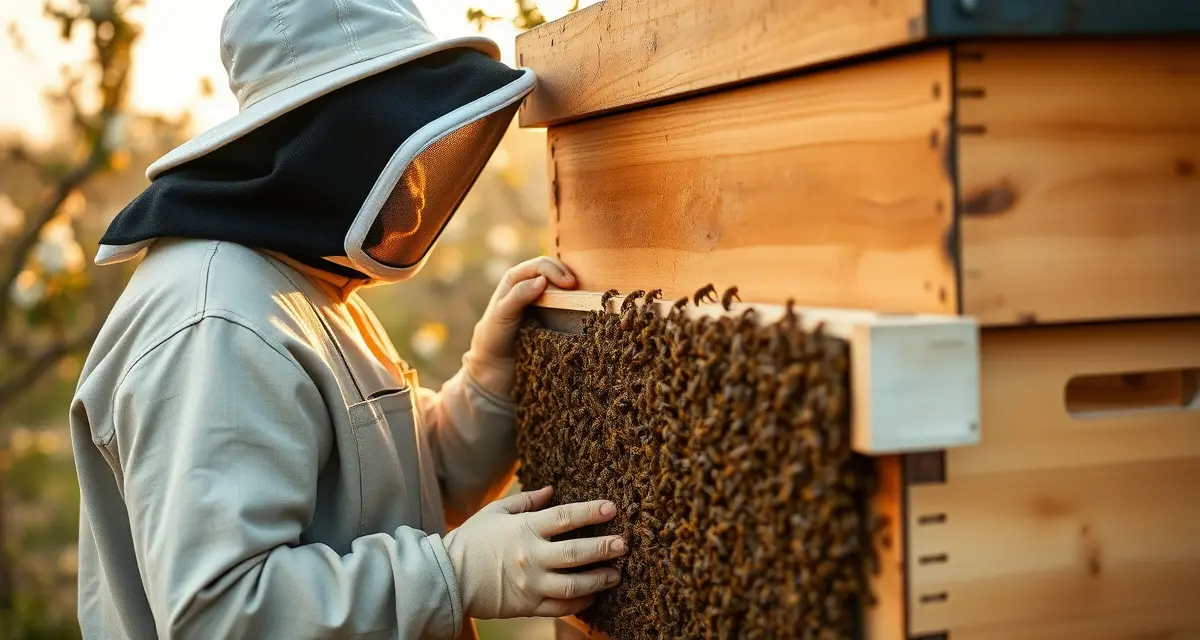
Commercial Beekeeping in Virginia: Fruit Crops and Regulations
Virginia requires apiary registration and inspection certification for commercial operators. Virginia is a significant apple and soft fruit producing state with growing agritourism honey markets, a combination that creates both contract pollination income and premium honey sales opportunities in one of the more financially accessible markets on the East Coast.
The Shenandoah Valley and the Blue Ridge foothills are the heart of Virginia's commercial fruit production. This geography also produces some of the better tulip poplar and wildflower honey in the region. The combination makes Virginia worth knowing for operations building an eastern US circuit.
TL;DR
- Virginia's primary commercial beekeeping role is shaped by its crop mix, climate, and position on the national pollination circuit.
- Pollination rates in Virginia range $75-100/hive depending on crop and colony strength requirements.
- Out-of-state operators entering Virginia for pollination contracts must register with the state agricultural authority and obtain a Certificate of Health.
- Virginia functions as either a primary pollination destination, a seasonal honey production location, or a transitional stop depending on the circuit.
- Tracking permit status, registration documents, and yard records for Virginia operations requires organized record-keeping before the season opens.
Virginia Commercial Pollination
Apple: Virginia is among the top apple-producing states east of Washington, with production concentrated in the Shenandoah Valley (Frederick, Clarke, Shenandoah, Rockingham counties) and some production in the southwestern highlands. Apple bloom timing: mid-April to early May depending on elevation and variety. Contract rates: $75-100/hive.
Peaches: Northern Virginia piedmont and Shenandoah Valley have commercial peach orchards. Peach bloom: late March to mid-April. Rates: $70-90/hive.
Blueberries: Virginia's central and eastern piedmont has commercial blueberry production, particularly in the southern counties (Halifax, Charlotte, Pittsylvania). Bloom timing: April-May. Rates: $70-90/hive.
Strawberries and soft fruit: Commercial strawberry operations in central Virginia create spring pollination demand. Rates: $55-75/hive.
Wine grapes: Virginia's wine industry has grown substantially. It's now a top East Coast wine-producing state. Some growers use bee hives for vineyard health (not direct pollination) and as agritourism additions. This isn't a standard pollination contract market, but it creates relationship opportunities with the premium agricultural community.
Virginia Honey Production
Tulip poplar: Virginia's mixed deciduous forests, particularly in the Blue Ridge and Piedmont regions, have significant tulip poplar (Liriodendron tulipifera) density. Tulip poplar bloom in Virginia: late April-early May. The honey is dark amber, distinctly flavored, and sought by East Coast specialty honey buyers. In good years, the tulip poplar flow is one of the strongest single-species flows in the eastern US.
Sourwood: The western Virginia highlands (Grayson, Patrick, Carroll counties and the Blue Ridge mountains) have sourwood (Oxydendrum arboreum) populations that produce exceptional varietal honey. Sourwood honey is considered one of the finest American honeys: light amber, distinctive anise-like flavor that doesn't granulate for months. Virginia sources commands $8-15/lb from specialty buyers. Production is limited by the geographic range of sourwood trees, but operations with access to sourwood-rich locations have a premium product.
Wildflower and clover: The Shenandoah Valley's agricultural forage (clover, alfalfa, wildflowers) supports summer honey production after the spring tree fruit contracts.
Virginia Apiary Regulations
Administering agency: Virginia Department of Agriculture and Consumer Services (VDACS), Pesticide Control and Agricultural Inspection Programs
Registration: Annual apiary registration required. Out-of-state operators must register with VDACS before placing colonies.
CVI requirement: Virginia requires a health certificate for colonies entering from out of state.
State inspection: Virginia has an active apiary inspection program. Commercial operations are subject to periodic inspection.
Virginia's East Coast Circuit Position
Virginia sits geographically between southern states (North Carolina, Georgia for early spring) and northern states (Maryland, Pennsylvania, New York for late spring tree fruit). An eastern US circuit that includes Virginia might sequence:
- March-early April: Georgia peaches and North Carolina early blueberries
- April-May: Virginia apples and Shenandoah Valley fruit
- May: Maryland/Pennsylvania apples and soft fruit
- May-June: New Jersey blueberries or New England cranberries
- July: Northern Plains honey
Virginia's tulip poplar and sourwood honey opportunities make it worth staying in the state through May-June for operations positioned in the highlands.
FAQ
What pollination opportunities exist in Virginia?
Virginia's primary pollination opportunities are apple (Shenandoah Valley, April-May, $75-100/hive), peach (Valley and Piedmont, March-April, $70-90/hive), blueberry (southern Piedmont, April-May, $70-90/hive), and strawberry and soft fruit crops ($55-75/hive). The Shenandoah Valley has the highest concentration of commercial fruit production. Operations that sequence Virginia apple and Shenandoah Valley fruit in April-May as part of an eastern US pollination circuit can generate $150-200+ per hive from Virginia contracts.
What are the best honey markets in Virginia?
Virginia's direct-to-consumer and premium honey market benefits from the state's wine country and agritourism economy. Premium food consumers in Northern Virginia, the Shenandoah Valley tourist corridor, and Richmond are willing to pay $10-20/lb for well-branded Virginia honey with a specific provenance story. Sourwood honey from the western highlands is the state's premium varietal product ($8-15/lb bulk). Tulip poplar honey from the Piedmont forests commands $3-5/lb from specialty wholesale buyers.
What are Virginia's apiary registration requirements?
Virginia requires annual registration with the Virginia Department of Agriculture and Consumer Services for all commercial beekeepers including out-of-state operators. A CVI is required for colonies entering the state. Virginia has an active inspection program. Contact VDACS directly before your first Virginia season to confirm current registration fees, entry documentation requirements, and any recent changes to the state's apiary inspection program.
What is the process for registering an out-of-state apiary in a new state?
Most states require out-of-state operators to register with the state department of agriculture apiary program before placing colonies. The process typically involves submitting a registration application (online or paper), paying a fee (usually $10-50 per location), and providing contact information for the operation. Some states also require the registration to be renewed annually. Contact the destination state's department of agriculture apiary program at least 60 days before your planned arrival to confirm current requirements.
What documentation do state apiary inspectors typically review?
State apiary inspectors review health certificates for out-of-state colonies, registration documentation, and colony inspection records during apiary visits. Inspectors check for signs of American foulbrood, European foulbrood, and other regulated pests and diseases. Operations with organized digital records that include treatment history and mite counts typically have faster, less complicated inspections than operations without documentation. Some state inspectors also verify that varroa mite loads are below state entry thresholds.
What triggers a state apiary inspection?
State apiary inspections can be triggered by routine inspection schedules (most states inspect a percentage of registered apiaries annually), neighbor or landowner complaints, disease reports from nearby operations, or inspection requirements tied to state entry permits. California, in particular, has the right to inspect incoming loads at port of entry for commercial beekeeping operations. Maintaining current registration and organized records makes required inspections faster and less disruptive.
Try These Free Tools
Sources
- USDA Agricultural Research Service
- Bee Informed Partnership
- American Beekeeping Federation (ABF)
- Virginia Department of Agriculture
- Project Apis m.
Get Started with PollenOps
Commercial operations working in Virginia face the same registration, permit, and documentation requirements as any state on the national circuit -- plus Virginia's specific regulatory requirements. PollenOps tracks your Virginia yard records, contract assignments, and permit documentation alongside your full operation, so entering a new state doesn't add a separate administrative burden. See how the platform fits operations working across multiple states.