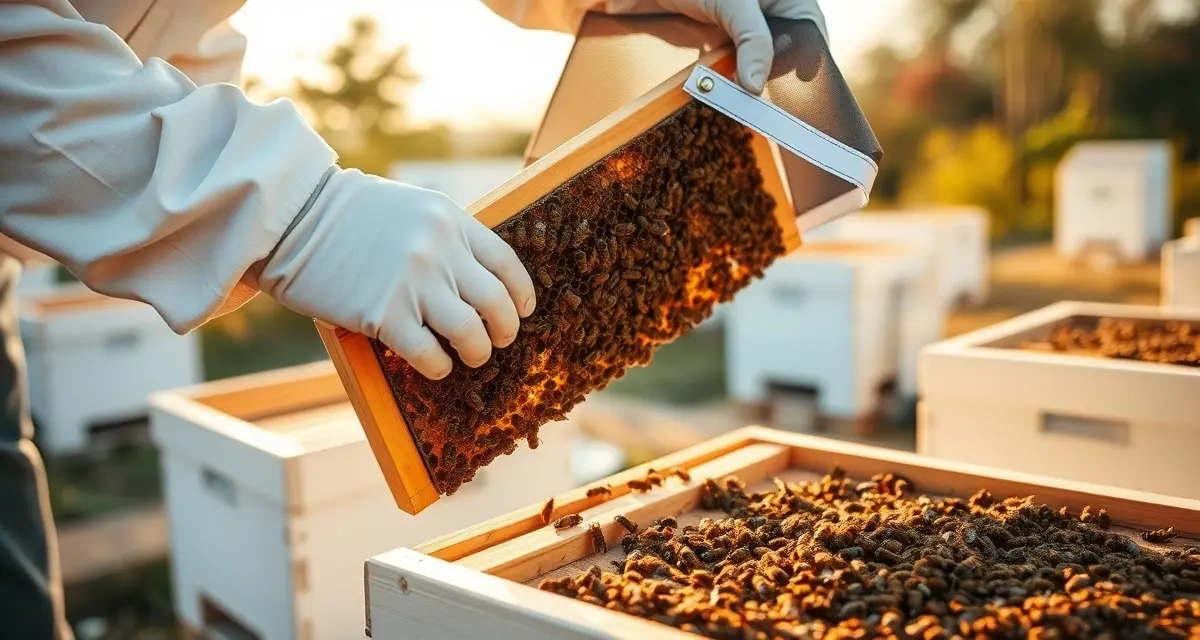
Apiary Inspections for Commercial Operations: What to Expect
Operations that document colonies systematically pass inspections 90% or more of the time without issues. That statistic reflects a simple truth: state apiary inspectors primarily find problems in operations that haven't been looking carefully themselves.
Most states inspect commercial apiaries annually as a condition of registration. For migratory operators working across multiple states, inspection compliance is a continuous requirement that touches every state you operate in, not just your home state.
TL;DR
- Most states require annual apiary registration with a state agricultural agency before placing colonies for commercial purposes.
- Out-of-state operators entering for pollination contracts must register before hives land in most jurisdictions.
- California, Florida, and Texas have the most detailed entry requirements for commercial honey bees, including specific pest and disease certifications.
- State apiary inspectors focus on disease detection (AFB, EFB), pest management, and compliance with registration requirements.
- Permit and certificate requirements change periodically; verifying current requirements 30-60 days before planned entry prevents compliance failures.
What Do State Apiary Inspectors Look For?
State inspectors have both regulatory and educational roles. They're looking for regulated diseases, confirming compliance with registration requirements, and often providing guidance on best management practices.
The primary concerns during routine commercial inspections:
American Foulbrood
AFB is the top priority in virtually every state inspection program. Inspectors look for the classic signs:
- Sunken, discolored capped brood (dark, greasy-looking)
- Punctured or collapsed cell cappings
- The characteristic ropiness of infected larvae (a matchstick or twig inserted into a suspicious cell and slowly withdrawn should pull a brown rope)
- The distinctive sour-sweet smell of active AFB
AFB is a federally reportable disease and requires mandatory action, typically destruction by burning of infected equipment and colonies in most states.
European Foulbrood
EFB is less serious than AFB but still reportable in many states. Inspectors look for:
- Twisted, discolored larvae in uncapped cells
- Sour smell
- Spotty brood pattern
EFB can sometimes be treated with antibiotics, but treatment protocols vary by state.
Varroa Mite Levels
Inspectors increasingly assess varroa loads, though this is often advisory rather than regulatory in most states. An inspector who finds colonies with extreme varroa infestation may note it and recommend treatment. Some states have begun establishing threshold-based requirements.
Small Hive Beetle
SHB is regulated in states where it's not yet established (primarily northern states). Inspectors bringing colonies from southern states through weigh stations or at entry points will look for SHB.
Registration and Documentation Compliance
Beyond pest and disease checks, inspectors verify:
- Current apiary registration
- Proper hive identification (many states require your name and contact information on each hive or yard sign)
- Interstate movement documentation for colonies arriving from other states
How Do You Prepare for a Commercial Apiary Inspection?
The best preparation for a commercial apiary inspection is running your operation in a way that would pass inspection at any time, not scrambling to prepare in the days before a scheduled visit.
That said, there are specific things to do when you know an inspection is coming.
Review Your Records First
Pull your colony health records for the yards being inspected. Look for:
- Any colonies flagged for unusual symptoms or deaths
- Treatment records (have any antibiotics or treatments been applied that require documentation?)
- Queen replacement records
- Any suspected disease issues that were treated or resolved
If you've noted anything unusual in your own inspections, flag it for the state inspector rather than hoping they don't notice it. Proactive disclosure of a managed issue demonstrates responsible beekeeping and typically results in a cooperative response rather than a regulatory one.
Address Known Issues Before the Inspector Arrives
If you know you have a queenless colony, combine it before the inspection. If you have a weak colony that's been struggling, either strengthen it or remove it from the yard.
The goal isn't to hide problems. It's to demonstrate that you're actively managing your operation. An inspector who sees that you've caught and addressed problems is more confident in your overall management than one who finds obvious issues you apparently weren't aware of.
Organize Your Documentation
Have the following accessible during the inspection:
- Current registration certificate
- Treatment records for the past season
- Interstate movement certificates if applicable
- Your own inspection records (showing when you last checked each yard)
Inspectors who find organized documentation are immediately more confident in the operation they're inspecting. Operations that can't produce their own records create suspicion. If you're not tracking your operation, who knows what you're missing?
State Apiary Registration Compliance
Confirm your registration is current for the state being inspected. Multi-state operators sometimes let registrations lapse in states where they're less active. An expired registration found during inspection creates administrative problems even if your colonies are perfectly healthy.
USDA Interstate Movement Regulations Documentation
For colonies that came into the state from elsewhere, confirm your movement certificates are current and accessible. Interstate movement documentation is among the first things inspectors check.
What Happens If Your Apiary Fails a State Inspection?
"Failure" in apiary inspections is a spectrum. The consequences depend on what's found.
Confirmed AFB
American foulbrood requires immediate action. In most states, confirmed AFB requires:
- Destruction of infected colonies and equipment by burning
- Notification of the state department of agriculture
- Quarantine of the yard until cleared by the inspector
- Inspection of other yards where the infected equipment may have been
The financial impact of an AFB outbreak is severe. Burning infected equipment destroys its value entirely. A 50-colony outbreak might mean destroying $10,000 to $25,000 in equipment. But the regulatory and financial consequences of not reporting and not destroying infected equipment are worse, including permit revocation, fines, and liability if the disease spreads.
Other Disease Issues
For EFB, chalkbrood, or high varroa loads, the inspector's response is typically educational and advisory. You may receive treatment recommendations, a follow-up inspection timeline, or specific guidance on management changes. These situations don't typically trigger the severe response that AFB does.
Documentation Violations
An expired registration or missing movement certificates typically results in an administrative follow-up requirement. Get the documentation in order within a specified timeframe. Not a crisis, but don't ignore it.
Follow-Up Inspections
Any inspection that identifies notable issues will usually result in a follow-up visit to confirm corrections were made. For AFB, the follow-up is mandatory. For other issues, it depends on the state and the inspector's assessment of the operation's responsiveness.
Preparing Multiple Yards Across Multiple States
For commercial migratory operators, inspection compliance is a multi-state challenge. You may have apiaries registered in 5 to 8 states simultaneously, each with their own inspection programs and schedules.
The key is maintaining registration currency in every state you operate in and having your documentation organized so that if an inspector visits any yard in any state, your records are accessible.
Some states coordinate inspections with migratory operators to schedule visits when the beekeeper is physically present. This is preferable to finding an inspection notice after you've already left that state. Introduce yourself to state inspectors in each state you operate in. Proactive relationships with inspectors make compliance far easier than adversarial ones.
FAQ
What do state apiary inspectors look for?
Inspectors primarily look for American foulbrood (the top regulatory priority in every state), European foulbrood, varroa mite loads, and in northern states, small hive beetle on incoming southern colonies. They also verify registration compliance, check hive identification requirements, and confirm interstate movement documentation for colonies that came from other states. Routine commercial inspections typically take 1 to 3 hours depending on yard size and how many hives are opened for examination.
How do you prepare for a commercial apiary inspection?
Review your own health records before the inspection and address any known issues. Organize your documentation (registration certificates, treatment records, movement certificates). Proactively disclose any managed issues to the inspector rather than hoping they're missed. Maintain current registration in every state where you're operating. The best preparation is ongoing systematic colony documentation that demonstrates you're actively managing your operation. Inspectors respond positively to operators who clearly know their bees.
What happens if your apiary fails a state inspection?
Consequences depend on what's found. Confirmed American foulbrood requires destruction of infected colonies and equipment, state notification, and yard quarantine, with severe financial impact but potentially worse consequences for non-compliance. Other disease issues typically result in advisory recommendations and follow-up inspections rather than immediate mandatory action. Documentation violations (expired registration, missing movement certificates) require administrative correction within a specified timeframe. Inspectors are generally cooperative with operators who respond promptly and professionally to issues found.
What is the process for registering an out-of-state apiary in a new state?
Most states require out-of-state operators to register with the state department of agriculture apiary program before placing colonies. The process typically involves submitting a registration application (online or paper), paying a fee (usually $10-50 per location), and providing contact information for the operation. Some states also require the registration to be renewed annually. Contact the destination state's department of agriculture apiary program at least 60 days before your planned arrival to confirm current requirements.
What is the difference between commercial and hobby beekeeping?
Commercial beekeeping is distinguished by scale (typically 100+ hives, often 500-5,000+), revenue source (pollination contracts and bulk honey sales rather than local honey retail), and management approach (systematic protocols applied across yards rather than individual colony attention). Commercial operators manage bees as an agricultural enterprise, with the administrative, regulatory, and logistical complexity that entails. Most commercial operators derive the majority of their income from pollination services; honey production is a supplementary revenue stream.
How many hives are needed to make commercial beekeeping a full-time income?
Most beekeeping economists put the full-time commercial threshold at 500-800 hives, assuming efficient operations management and a combination of pollination and honey revenue. At 500 hives and $200/hive for almond pollination, almond season alone generates $100,000 in gross revenue before expenses. Net margins depend on operational efficiency, but well-run operations can achieve 30-50% net margins on pollination revenue. Additional crops and honey production improve per-hive economics but require additional management capacity.
Try These Free Tools
Sources
- USDA Agricultural Research Service
- Bee Informed Partnership
- American Beekeeping Federation (ABF)
- USDA Animal and Plant Health Inspection Service (APHIS)
- National Association of State Departments of Agriculture
Get Started with PollenOps
Navigating state apiary registration and permit requirements across a multi-state circuit adds administrative complexity to an already demanding operation. PollenOps tracks permit status and documentation requirements alongside your contract and yard records so compliance doesn't fall behind operational demands.