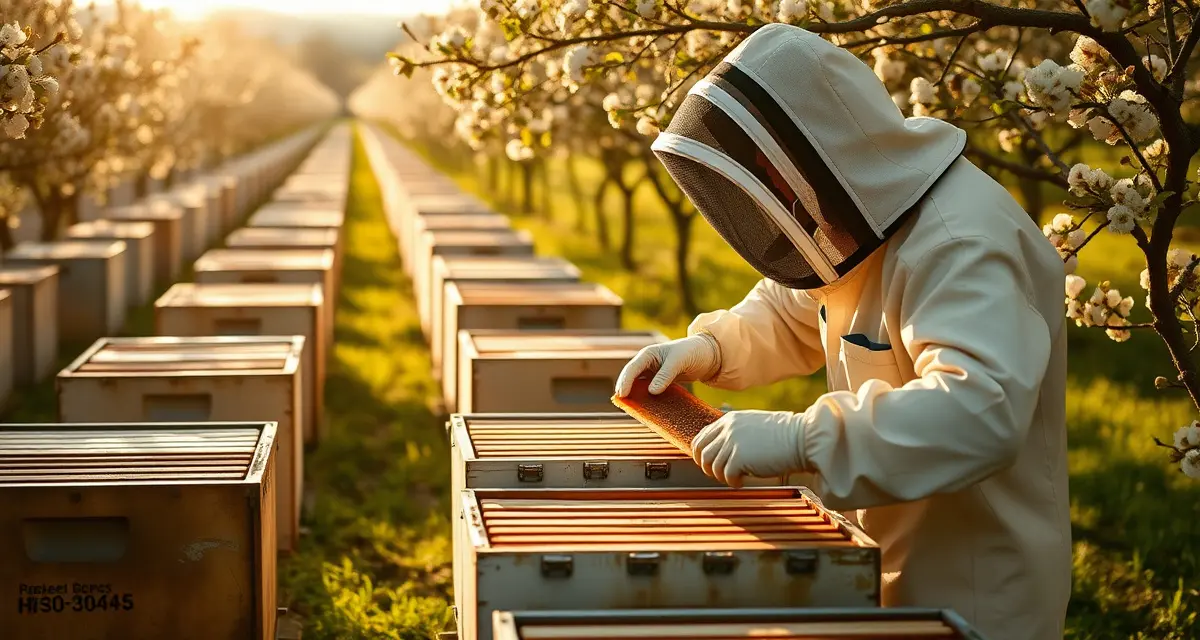
Building Your Washington Apple Pollination Network
Washington Tree Fruit Research Commission events are prime networking venues for pollination operators, and long-term relationships with Washington apple growers command premium rates over bid-market contracts. Washington's apple industry is well-organized and professional. Building relationships in this market requires engaging with that professional infrastructure.
TL;DR
- Washington's primary commercial beekeeping role is shaped by its crop mix, climate, and position on the national pollination circuit.
- Pollination rates in Washington range $65-220/hive depending on crop depending on crop and colony strength requirements.
- Out-of-state operators entering Washington for pollination contracts must register with the state agricultural authority and obtain a Certificate of Health.
- Washington functions as either a primary pollination destination, a seasonal honey production location, or a transitional stop depending on the circuit.
- Tracking permit status, registration documents, and yard records for Washington operations requires organized record-keeping before the season opens.
The Washington Apple Pollination Market
Washington State is the largest apple-producing state in the US, with over 150,000 acres of apple orchards concentrated primarily in Chelan, Douglas, Okanogan, and Yakima counties. Pollination demand for Washington apples runs approximately 1-2 colonies per acre, creating demand for 150,000-300,000 colonies during the late April-May bloom.
This is a large, well-established market with significant overlap between Pacific Northwest beekeeper operations and almond operations. Many operators who bring colonies to California in February position them in Washington in April-May before moving to summer production in Oregon, Montana, or North Dakota.
Washington apple growers are sophisticated and professional. They expect the same from their pollination contractors: documentation, reliability, and professional communication.
Washington Tree Fruit Research Commission
The Washington Tree Fruit Research Commission funds research and education programs for Washington's tree fruit industry. Commission events bring together growers, researchers, and industry service providers in an environment specifically designed for knowledge exchange.
WTFRC events as networking venues: Researchers studying pollination, pest management, and orchard management present findings that attract engaged growers. Beekeeper presence at these events signals professional involvement with the science of pollination, not just the transaction.
Contact the WTFRC in Wenatchee to identify upcoming events, field days, and conferences where pollination topics are on the agenda.
Washington State Horticultural Association
The Washington State Horticultural Association (WSHA) holds an annual conference in December, one of the most important annual gatherings for Washington tree fruit growers. The Yakima Convention Center conference typically attracts 2,000+ attendees from across the state's fruit industry.
The WSHA conference is a top-tier networking opportunity for operators seeking Washington apple contracts. Sponsor tables, exhibit space, and session attendance all provide access to growers across the state.
Attend with documentation: your operation's hive count and locations, colony strength records from previous seasons, and references from current growers (or California almond growers if you're building your Washington presence from an established California base).
Washington State University Tree Fruit Extension
WSU Extension operates the Tree Fruit Research and Extension Center in Wenatchee, directly in the heart of Washington apple country. Extension agents in the Wenatchee valley work directly with apple growers on production practices including pollination management.
WSU Extension Tree Fruit agents can facilitate introductions between operators seeking Washington contracts and growers looking for reliable pollination partners. This is a legitimate, professional approach that benefits from the extension service's trusted position with the grower community.
Contact the WSU Extension Tree Fruit office in Wenatchee (Chelan County) to introduce yourself as an operator seeking to expand Washington apple relationships.
Direct Grower Outreach in Washington
Washington apple growers are concentrated geographically. Wenatchee, Chelan, East Wenatchee, and surrounding areas are the core. This geographic concentration makes in-person outreach realistic.
Drive the valley: Visiting the Wenatchee valley in person, stopping at Farm Bureau offices, attending grower events, and making yourself visible in the community works better than phone outreach from 2,000 miles away. Personal presence signals commitment.
County Farm Bureau contacts: Chelan and Douglas County Farm Bureaus serve the core apple grower community. Member contact information and event schedules are available through county Farm Bureau offices.
Referrals from existing relationships: The Washington apple community is tight-knit. A positive reference from one Chelan County grower to a neighbor accelerates relationship-building more than any marketing.
Converting One-Season Contracts to Multi-Year Relationships
The first-season contract is the audition. Operators who deliver professionally in year one (accurate colony counts, on-spec strength, timely delivery confirmation, proactive communication, professional invoicing) are positioned for multi-year renewal.
Tactics that accelerate conversion from one-season to multi-year:
Season-end report: Send a formal season summary within 30 days of pickup, including delivery data, colony strength records, and any observation notes. This closes the current season professionally and sets the tone for renewal conversation.
Renewal conversation timing: Initiate renewal discussion in August-September, before growers start looking for alternatives. Early conversation signals reliability and gives you the best negotiating position.
grower portal access: Provide growers with PollenOps portal access so they can see their delivery data and strength records in real time. Transparency builds trust faster than any other tactic.
Multi-year contract offer: Offer two or three-year contract options with agreed annual rate adjustments. Growers who sign multi-year agreements aren't going to switch to new operators for small price differences.
Grower Marketplace platform provides discovery access to growers seeking operators across the Pacific Northwest.
How to get pollination contracts covers the full contract acquisition process.
Frequently Asked Questions
How do you meet Washington apple growers?
The most effective venues for first meetings with Washington apple growers are the Washington State Horticultural Association annual conference (December, Yakima), Washington Tree Fruit Research Commission events and field days, and WSU Extension Tree Fruit events in Wenatchee. In-person presence in the Wenatchee valley during early season farm visits creates direct access to growers in a professional context. County Farm Bureau chapter events in Chelan and Douglas counties are smaller-scale and more personal. Lead with documentation (your colony count, delivery strength records, references from other growers) so initial conversations move toward substance quickly.
What associations help beekeepers find apple pollination contracts in Washington?
The Washington State Beekeepers Association is the primary beekeeper organization with Washington context. The Washington State Horticultural Association connects the tree fruit industry including pollination contractors. The Washington Tree Fruit Research Commission funds pollination research and hosts events that attract engaged growers. WSU Extension Tree Fruit in Wenatchee can facilitate introductions between operators and growers. The PollenOps Grower Marketplace provides direct discovery between operators with available capacity and growers seeking services. For operators new to Washington, a combination of the WSHA conference and WSU Extension introductions is the most effective first-year approach.
How do you convert one-season apple contracts into multi-year relationships?
Conversion from one-season to multi-year starts with year-one execution: deliver on time, deliver on spec, communicate proactively, invoice professionally, and send a season-end report within 30 days of pickup. Year-one performance establishes your reliability in the grower's mind. No amount of follow-up conversation makes up for a poor delivery season. Once year one is complete successfully, initiate renewal conversation in August-September. Offer multi-year contract options with agreed rate structures. Provide growers with PollenOps portal access so they can see their delivery data. Transparency builds trust faster than anything else. The goal is to make renewal the path of least resistance, easier than searching for a new contractor.
What is the process for registering an out-of-state apiary in a new state?
Most states require out-of-state operators to register with the state department of agriculture apiary program before placing colonies. The process typically involves submitting a registration application (online or paper), paying a fee (usually $10-50 per location), and providing contact information for the operation. Some states also require the registration to be renewed annually. Contact the destination state's department of agriculture apiary program at least 60 days before your planned arrival to confirm current requirements.
What documentation do state apiary inspectors typically review?
State apiary inspectors review health certificates for out-of-state colonies, registration documentation, and colony inspection records during apiary visits. Inspectors check for signs of American foulbrood, European foulbrood, and other regulated pests and diseases. Operations with organized digital records that include treatment history and mite counts typically have faster, less complicated inspections than operations without documentation. Some state inspectors also verify that varroa mite loads are below state entry thresholds.
What triggers a state apiary inspection?
State apiary inspections can be triggered by routine inspection schedules (most states inspect a percentage of registered apiaries annually), neighbor or landowner complaints, disease reports from nearby operations, or inspection requirements tied to state entry permits. California, in particular, has the right to inspect incoming loads at port of entry for commercial beekeeping operations. Maintaining current registration and organized records makes required inspections faster and less disruptive.
Try These Free Tools
Sources
- USDA Agricultural Research Service
- Bee Informed Partnership
- American Beekeeping Federation (ABF)
- Washington Department of Agriculture
- Project Apis m.
Get Started with PollenOps
Commercial operations working in Washington face the same registration, permit, and documentation requirements as any state on the national circuit -- plus Washington's specific regulatory requirements. PollenOps tracks your Washington yard records, contract assignments, and permit documentation alongside your full operation, so entering a new state doesn't add a separate administrative burden. See how the platform fits operations working across multiple states.