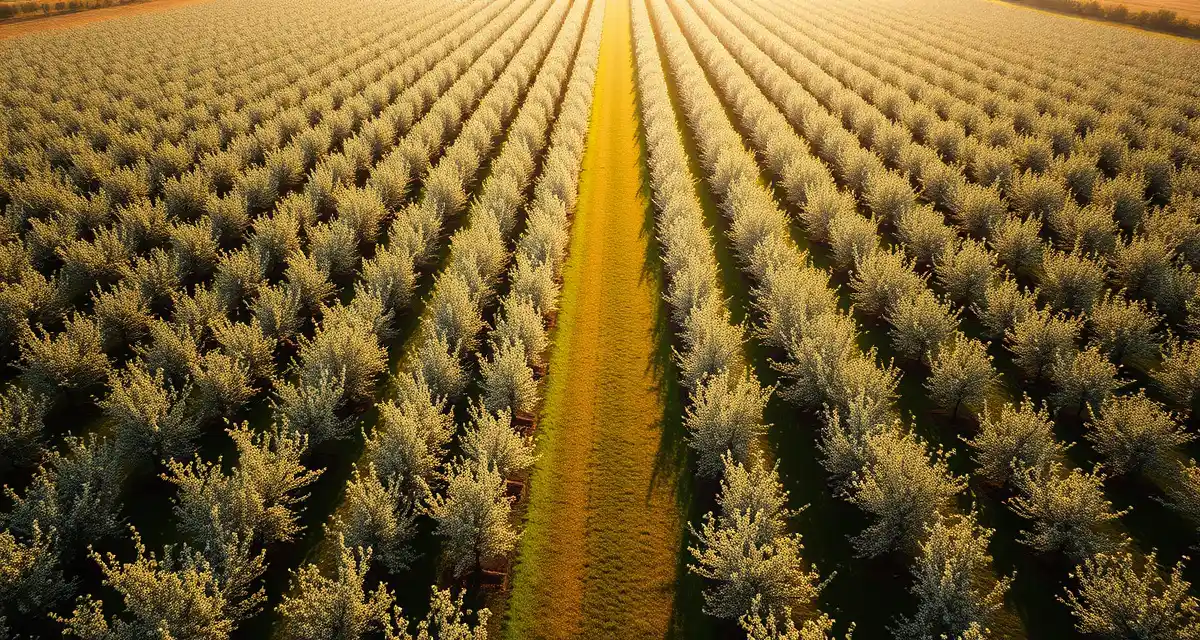
Washington Apple Pollination Data: Acreage Hive Demand and Rates
Washington produces over 60% of US apples across more than 150,000 acres of commercial orchards, requiring more than 200,000 commercial hives annually for adequate pollination. That volume makes Washington the second-largest pollination market for commercial beekeepers after California almonds, and the state's geographic concentration of apple production in the Yakima Valley, Wenatchee, and Chelan areas creates a well-defined contract market.
Washington apple pollination rates have run $90 to $130 per hive in recent seasons, varying based on timing, colony strength requirements, and whether the contract includes cherry or other tree fruit crops alongside apples. Operators who work Washington apple season work one of the most valuable per-acre pollination markets in the country.
TL;DR
- Washington's primary commercial beekeeping role is shaped by its crop mix, climate, and position on the national pollination circuit.
- Pollination rates in Washington range $65-220/hive depending on crop depending on crop and colony strength requirements.
- Out-of-state operators entering Washington for pollination contracts must register with the state agricultural authority and obtain a Certificate of Health.
- Washington functions as either a primary pollination destination, a seasonal honey production location, or a transitional stop depending on the circuit.
- Tracking permit status, registration documents, and yard records for Washington operations requires organized record-keeping before the season opens.
Washington Apple Acreage and Hive Demand
Washington's 150,000+ acres of commercial apple orchards are concentrated in the central and north-central part of the state. The Yakima Valley, Apple Commission-certified Wenatchee District, Lake Chelan, and Okanogan Highlands account for the majority of production.
At standard stocking rates of 1 to 1.5 hives per acre for apple pollination, Washington's acreage requires 150,000 to 225,000 commercial hives. Most of these are supplied by commercial migratory operators moving from California almond season, Pacific Northwest buildup yards, and increasingly from operators who specialize in the Washington circuit.
For operators considering Washington as an addition to their Pacific Northwest circuit, the market size and rate structure make it one of the most valuable spring stops after California.
Pollination Rate Structure
Washington apple pollination rates have shown steady appreciation over the past decade, now running $90 to $130 per hive depending on several factors:
Colony strength requirement: Contracts specifying 8 frames of bees pay more than 6-frame contracts. Premium organic orchard contracts often specify the highest strength standards.
Timing: Early apple varieties that bloom before the main Honeycrisp/Gala/Fuji window pay somewhat higher rates because operators are competing for the same available hives across overlapping bloom windows.
Operator track record: Growers who've had consistent service from the same operator for 5 to 10 years pay at or above market rate to maintain that relationship. New operators entering the market typically start at the lower end of the rate range.
Cherry inclusion: Washington's cherry season runs immediately after apple, and some operators package apple and cherry contracts together from the same grower or neighboring grower network. Combined pricing may represent a per-crop discount but better total contract value.
Apple Bloom Timing
Washington apple bloom runs late April through mid-May across the main production regions. Yakima Valley blooms first, typically starting late April. Wenatchee and Lake Chelan follow in early May. Okanogan Highlands, at higher elevation, bloom in mid-May.
This progression creates a potential sequential placement strategy within Washington, though the geography requires efficient truck routing to execute. Operators with large enough fleets sometimes place the same hives in multiple bloom windows by moving them within Washington.
For most operators, arriving in Washington by late April with hives ready for Yakima Valley placement is the practical timeline.
Connecting Washington to the Annual Circuit
Washington sits between California almond season (February) and summer positions in the Northern Plains or Mountain West. The circuit looks like:
- California almonds: February-March
- Pacific Northwest buildup and spring recovery: March-April
- Washington apple and cherry: Late April-June
- Summer honey or seed crop positions: July-September
For commercial beekeeping operations based in Washington or working the Pacific Northwest circuit, the regulatory requirements for operating in the state must be addressed before hives arrive.
Getting Washington Apple Contracts
Most Washington apple contracts are in place before November of the preceding year. Growers working with established beekeepers roll contracts forward with minor adjustments. New operators looking to enter Washington apple need to start outreach in September or October, preferably with a reference from another Washington grower or a California almond grower who can introduce them.
The Washington State Apple Commission has industry connections and information on grower contacts. Tree Top, Stemilt, Chelan Fresh, and other packing houses sometimes facilitate beekeeper connections for the growers they work with.
Frequently Asked Questions
How many hives does Washington apple pollination require annually?
Washington apple orchards cover over 150,000 acres across the state's major growing regions. At the standard stocking rate of 1 to 1.5 hives per acre, Washington requires 150,000 to 225,000 commercial hives for adequate apple pollination. Most of this demand is met by migratory commercial operators who work California almonds first and then move north for the April-May Washington apple season. Some locally based Washington commercial operators also supply a portion of the demand.
What are current Washington apple pollination rates?
Washington apple pollination rates have ranged from $90 to $130 per hive in recent seasons. The spread reflects differences in colony strength requirements, timing within the bloom window, and operator track record with specific growers. Premium organic orchard contracts and contracts with well-capitalized commercial growers tend toward the upper end of this range. New operator relationships typically start in the $90 to $100 range. Operators who can offer both apple and cherry coverage for the same grower through the April to June period often negotiate package pricing that represents favorable total contract value.
When does Washington apple pollination season start and end?
Washington apple pollination begins in late April in the Yakima Valley, where the warmer, lower-elevation orchards bloom first. The Wenatchee and Lake Chelan areas follow in early May. Higher-elevation Okanogan Highlands orchards bloom in mid-May. The full season, from first placement to last pickup, spans approximately late April through late May in most years. bloom timing shifts year to year based on winter chill hours and spring temperature accumulation. Operators should maintain contact with their Washington growers starting in March to monitor bloom progression and refine delivery timing.
What is the process for registering an out-of-state apiary in a new state?
Most states require out-of-state operators to register with the state department of agriculture apiary program before placing colonies. The process typically involves submitting a registration application (online or paper), paying a fee (usually $10-50 per location), and providing contact information for the operation. Some states also require the registration to be renewed annually. Contact the destination state's department of agriculture apiary program at least 60 days before your planned arrival to confirm current requirements.
What documentation do state apiary inspectors typically review?
State apiary inspectors review health certificates for out-of-state colonies, registration documentation, and colony inspection records during apiary visits. Inspectors check for signs of American foulbrood, European foulbrood, and other regulated pests and diseases. Operations with organized digital records that include treatment history and mite counts typically have faster, less complicated inspections than operations without documentation. Some state inspectors also verify that varroa mite loads are below state entry thresholds.
What triggers a state apiary inspection?
State apiary inspections can be triggered by routine inspection schedules (most states inspect a percentage of registered apiaries annually), neighbor or landowner complaints, disease reports from nearby operations, or inspection requirements tied to state entry permits. California, in particular, has the right to inspect incoming loads at port of entry for commercial beekeeping operations. Maintaining current registration and organized records makes required inspections faster and less disruptive.
Try These Free Tools
Sources
- USDA Agricultural Research Service
- Bee Informed Partnership
- American Beekeeping Federation (ABF)
- Washington Department of Agriculture
- Project Apis m.
Get Started with PollenOps
Commercial operations working in Washington face the same registration, permit, and documentation requirements as any state on the national circuit -- plus Washington's specific regulatory requirements. PollenOps tracks your Washington yard records, contract assignments, and permit documentation alongside your full operation, so entering a new state doesn't add a separate administrative burden. See how the platform fits operations working across multiple states.