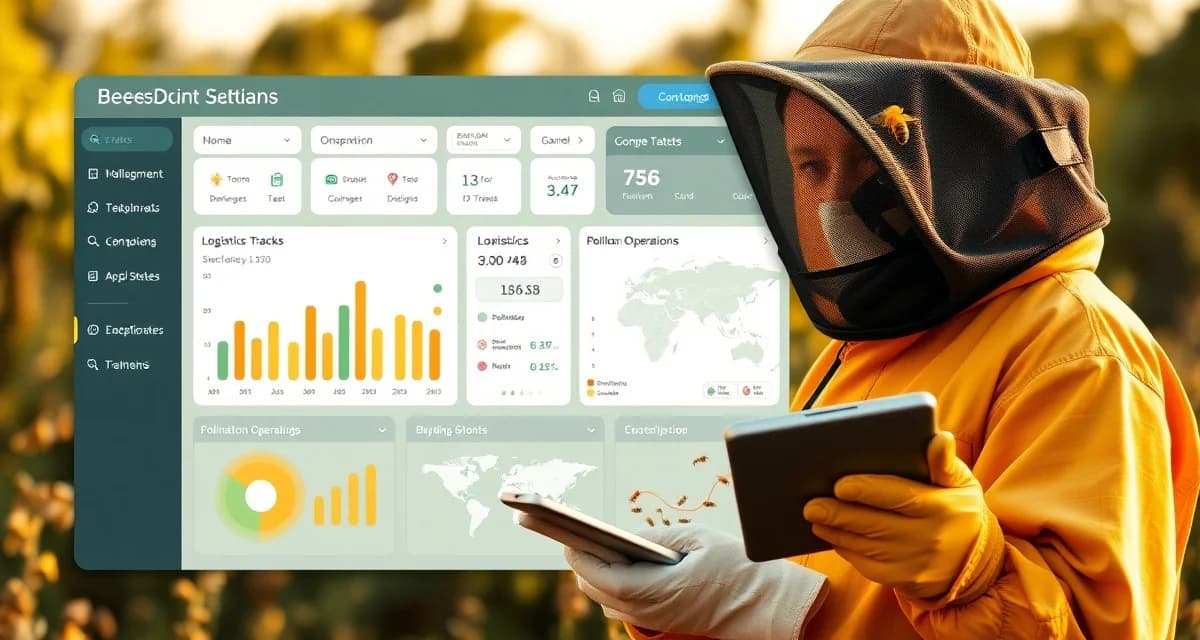
PollenOps Live Demo: See Commercial Beekeeping Software in Action
Operators who complete a live demo sign up at three times the rate of cold-trial starts. The reason isn't hard to understand: seeing how the software handles your actual workflow is more convincing than reading about features. A live demo answers the specific questions that a generic trial doesn't, because you're showing your scenario to an expert who can configure the demo around how your operation actually works.
PollenOps demos are conducted by commercial beekeeping operations experts, not generic sales representatives. The person walking you through the software understands what a California almond delivery schedule looks like, what mid-season hive count disputes feel like, and why multi-state permit tracking matters. That context changes the quality of the conversation.
TL;DR
- Commercial beekeeping operations that manage contracts on spreadsheets and phone calls spend 5-10 hours per week on administrative tasks that software handles automatically.
- Purpose-built beekeeping software centralizes contract lifecycle management, yard records, health documentation, and fleet logistics in one platform.
- The primary ROI drivers for operations software are fewer contract disputes, faster invoicing, and reduced time spent on administrative coordination.
- PollenOps is built specifically for commercial-scale pollination operations; it is not a hobbyist platform adapted for commercial use.
- Moving from spreadsheets to dedicated software typically pays for itself within one season in time savings and dispute prevention.
What a PollenOps Demo Covers
A standard 45-minute demo walks through the four core workflows that matter most to commercial migratory operations:
contract management: Creating grower contracts, setting delivery commitments, tracking contract status, and generating delivery documentation. You'll see how a multi-grower California almond season gets built out in the system, with each grower's delivery window, hive count, and rate captured in a structure that prevents double-booking and missed commitments.
Fleet and yard management: Mapping yard locations, assigning colony counts to yards, planning multi-stop delivery routes, and tracking which crews have visited which yards. The fleet view shows the status of your entire operation at a glance.
Colony health tracking: Entering colony health assessments, flagging colonies below contract standards, and viewing aggregate health data to identify contract delivery risk 4 to 6 weeks before it materializes.
Invoicing and compliance: Generating invoices after completed placements, tracking outstanding payments, and managing state apiary registration renewal dates across the states in your circuit.
Seeing the Grower Portal
The grower portal is one of the features operators most want to see in action before committing. Your grower logs into their specific view and sees their contract details, delivery confirmations, and any health documentation you've shared with them, without seeing any other growers' information or your financial data.
The portal's practical value is reducing the phone and email volume from growers asking "when are my bees coming?" and "how many hives did you actually deliver?" Those questions have clear answers in the portal, accessible to the grower at any time.
You can see how the portal looks from the grower's perspective during the demo, including how documentation appears and what information is visible and hidden.
How to Request a Demo
Demo scheduling is handled through the PollenOps platform via the demo request form on the website. Demos are typically available within 3 to 5 business days, with slots across time zones to accommodate operators in different parts of the country.
When requesting, note your approximate operation size (number of hives, number of grower relationships, states you operate in) and any specific workflows you want to see covered. The demo is more useful when the presenter can configure it around scenarios that match your situation.
After the Demo
Most operators are ready to make a plan-selection decision within a day or two of a demo. The PollenOps Starter plan covers the core contract and fleet management workflows at an accessible price point. Pro and Enterprise plans add advanced features, expanded grower portal functionality, and dedicated onboarding support for larger or more complex operations.
If you're not ready to commit after a demo, a self-guided trial is available to explore the system at your own pace.
Frequently Asked Questions
What does a PollenOps demo include?
A standard PollenOps demo covers the four core workflows for commercial migratory operations: contract management (creating and tracking grower contracts, delivery commitments, and invoicing), fleet and yard management (yard mapping, route planning, and crew assignment), colony health tracking (health scoring, treatment logging, and contract delivery risk assessment), and compliance management (state apiary registration tracking, permit deadlines). Demos also include a walkthrough of the grower portal, showing how documentation appears from the grower's perspective. The demo is conducted by a commercial beekeeping operations expert who can address questions specific to your operation's workflow.
How long does a PollenOps demo take?
A standard PollenOps demo takes 45 minutes, covering the core workflows and allowing time for your specific questions. If you have a complex multi-state operation with specific workflows to walk through, a 60-minute extended demo can be requested when scheduling. Most operators find 45 minutes is adequate to make an informed decision about whether PollenOps fits their operation's needs. The time investment in a demo is justified by the difference in conversion to active use compared to starting with an unguided trial.
Can I see the grower portal in a PollenOps demo?
Yes. The grower portal walkthrough is a standard part of the PollenOps demo. You'll see both the beekeeper's view of a shared delivery report and the grower's view of the same information as it appears in their portal login. This includes delivery confirmation, hive count documentation, and any health documentation that you've configured to be visible to growers. Seeing the portal from the grower's perspective helps you understand what your growers will experience and whether it meets the documentation expectations your specific grower relationships require.
What does purpose-built commercial beekeeping software do that a spreadsheet cannot?
Dedicated software connects data across your operation in ways spreadsheets cannot: a contract record links to the specific hives assigned to it, which links to the yard location, which links to health inspection records and treatment logs. When a grower calls to dispute a hive count, you can pull the delivery record, timestamped photos, and GPS-confirmed location in 30 seconds rather than searching three spreadsheets and an email thread. This integration is where the time savings and dispute-prevention value comes from.
How long does it take to migrate from spreadsheets to beekeeping software?
Most commercial operators complete the core migration in 2-4 weeks, starting with current contract records and active yard locations. Historical data (past seasons' inspection records, old contracts) can be migrated over time rather than all at once. The practical recommendation is to start with the current season's live data and add historical records as time allows. The operational improvement from having current data in the system is immediate; the historical data adds analytical depth over subsequent seasons.
Is there a free trial available for PollenOps?
Contact PollenOps directly to confirm current trial and demo options. Most commercial operators benefit from a walkthrough of the contract management and yard tracking modules against their own operation's data before committing, since the fit between the platform and your specific circuit and crop mix is the most important evaluation factor.
Try These Free Tools
Sources
- USDA Agricultural Research Service
- Bee Informed Partnership
- American Beekeeping Federation (ABF)
- American Honey Producers Association
- Project Apis m.
Get Started with PollenOps
Commercial beekeeping operations that move from spreadsheets to purpose-built software consistently report fewer disputes, faster invoicing, and less time on administrative work during peak season. PollenOps is built specifically for commercial-scale pollination operations. See how the platform fits your operation.