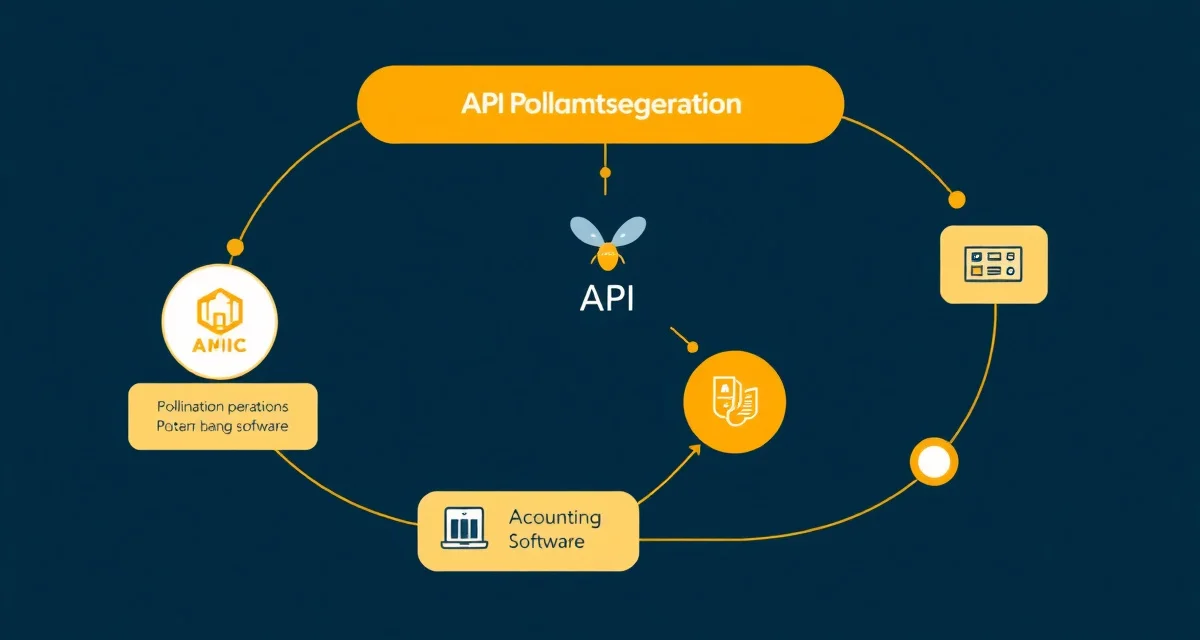
PollenOps API for Pollination Operations Integration
Operations that integrate PollenOps with accounting software save an average of 4 hours per week in manual data entry. That savings comes from eliminating the transfer of invoice data from PollenOps into QuickBooks, Samsara fleet data into PollenOps movement records, or crop monitoring data from farm management platforms into contract performance tracking. These data flows are currently copy-paste work for many commercial operations.
The PollenOps API enables bidirectional data flow between PollenOps and QuickBooks, Samsara, or custom farm management tools. If your operation uses multiple platforms for different functions, the API connects them without manual transfer.
TL;DR
- Commercial beekeeping operations that manage contracts on spreadsheets and phone calls spend 5-10 hours per week on administrative tasks that software handles automatically.
- Purpose-built beekeeping software centralizes contract lifecycle management, yard records, health documentation, and fleet logistics in one platform.
- The primary ROI drivers for operations software are fewer contract disputes, faster invoicing, and reduced time spent on administrative coordination.
- PollenOps is built specifically for commercial-scale pollination operations; it is not a hobbyist platform adapted for commercial use.
- Moving from spreadsheets to dedicated software typically pays for itself within one season in time savings and dispute prevention.
What the API Enables
Accounting integration: Invoice data from completed PollenOps contracts syncs automatically to your accounting platform (QuickBooks, Xero, FreshBooks, or any platform with a standard REST API). When a delivery check-in triggers invoice generation in PollenOps, the invoice data flows to your accounting system without requiring manual entry. Payment records sync in the return direction: payments logged in QuickBooks mark the corresponding PollenOps invoice as paid.
Fleet management integration: If you use Samsara, KeepTruckin, or another fleet management platform for vehicle tracking and compliance, the API connects fleet GPS data to PollenOps movement records. Your truck's location data at the time of delivery can populate the PollenOps transport log without requiring a separate driver app check-in for the movement record.
Crop monitoring platforms: Some larger growers use precision agriculture platforms (Climate FieldView, John Deere Operations Center, or others) to monitor their fields. The PollenOps API allows delivery data, hive count records, and bloom timing alerts to flow into or out of these platforms so the grower's farm management system includes pollination contract data alongside their other field records.
Custom farm management tools: Large commercial operations sometimes build custom management tools specific to their business. The PollenOps API provides endpoints for all major data types (contracts, yards, hive records, deliveries, invoices, bloom alerts) so custom tools can read and write PollenOps data programmatically.
How the API Works
The PollenOps API uses standard REST architecture with JSON data formats. API access is authenticated with OAuth 2.0 tokens that you generate from your PollenOps account settings. All API calls use HTTPS.
The primary API endpoint categories:
Contracts: Read, create, and update contract records. Useful for integrations that need to pull contract data into another system (accounting, project management) or push contract data from another system into PollenOps (for example, from a CRM where you track grower relationships).
Yards: Read and create yard records including GPS coordinates. Useful for integrations that sync yard location data with mapping or fleet systems.
Deliveries: Read delivery records with GPS timestamps and hive counts. Useful for integrations that need verified delivery data for compliance, accounting, or reporting.
Invoices: Read invoice records and status. Useful for bidirectional accounting integrations where invoice status in PollenOps and in your accounting platform need to stay synchronized.
Bloom alerts: Read current bloom alert status for contracted yards. Useful for integrations that need delivery timing data for scheduling systems or fleet dispatch.
Hive records: Read hive inventory and inspection data. Useful for integrations that consolidate hive management data across multiple platforms.
API Documentation and Access
API documentation is available to PollenOps commercial plan subscribers in the developer section of the account dashboard. The documentation includes endpoint reference, authentication setup, rate limits, and code examples in Python, JavaScript, and cURL.
API access is included in the commercial plan at no additional cost. There are no per-API-call fees; the API uses the same platform infrastructure as the main product. Rate limits apply to prevent system abuse but are set high enough that typical integration use patterns don't approach the limits.
For simple integrations (accounting export), the PollenOps CSV and PDF export features may be sufficient without custom API development. The API is the right tool for operations that need ongoing automated data flows between platforms, not one-time data exports.
For the full platform overview including non-API features, see pollination contract software. For pricing including API access, see pollenops pricing.
Use Cases by Operation Type
Large California almond operations: Integrating PollenOps with QuickBooks to automate invoice sync and with Samsara for fleet GPS-to-transport-log integration. At 200 or more contracts and a fleet of 5 trucks, the manual data transfer between these three platforms is 6 to 10 hours per week of administrative work that the API eliminates.
Grower-facing operations: Beekeepers who serve growers with precision agriculture platforms can offer a direct API integration that delivers delivery records, hive counts, and bloom timing data into the grower's existing farm management system. This is a differentiated service offering that most beekeeping operations can't provide.
Multi-platform operations: Operations using multiple tools (PollenOps for contract management, a separate payroll system, a fleet GPS platform, and a custom inventory tool) can connect all four through the PollenOps API to reduce the data silos that create errors and reporting gaps.
Frequently Asked Questions
Does PollenOps offer an API for integration with other software?
Yes. PollenOps provides a REST API with JSON data formats for integration with accounting platforms, fleet management systems, and custom farm management tools. API access is included in the commercial plan at no additional cost. The API covers all major data types including contracts, yards, deliveries, invoices, bloom alerts, and hive records. Authentication uses OAuth 2.0. Full API documentation including endpoint reference and code examples is available to commercial plan subscribers in the developer section of the account dashboard. For operations that need ongoing automated data flows between platforms rather than one-time data exports, the API is the appropriate integration approach.
What accounting software can I connect to PollenOps?
PollenOps API integration works with any accounting platform that has a standard REST API, including QuickBooks Online, Xero, FreshBooks, and Wave. The integration syncs invoice data from PollenOps to your accounting platform when invoices are generated, and can sync payment status from your accounting platform back to PollenOps when payments are recorded. For QuickBooks Desktop (non-online version), direct API integration isn't available, but PollenOps CSV exports in QuickBooks-compatible format support manual import. If your accounting platform has a webhook-based import capability rather than a REST API, contact PollenOps support to discuss integration options for your specific platform.
Can I build a custom integration between PollenOps and my fleet tracking system?
Yes. The PollenOps API includes endpoints for delivery records, yard GPS data, and transport logs that can integrate with fleet tracking systems including Samsara, KeepTruckin, Verizon Connect, and custom GPS platforms. A typical fleet integration reads truck GPS position data from the fleet platform and writes it to PollenOps transport log records when the truck GPS matches a known yard location, creating automatic transport log entries without requiring driver app check-ins for every move. Building this integration requires developer resources on your team or a contracted developer familiar with REST API integration. PollenOps provides the API documentation and sandbox environment for integration development; your developer builds the integration logic specific to your fleet platform's data format and your operation's workflow.
What does purpose-built commercial beekeeping software do that a spreadsheet cannot?
Dedicated software connects data across your operation in ways spreadsheets cannot: a contract record links to the specific hives assigned to it, which links to the yard location, which links to health inspection records and treatment logs. When a grower calls to dispute a hive count, you can pull the delivery record, timestamped photos, and GPS-confirmed location in 30 seconds rather than searching three spreadsheets and an email thread. This integration is where the time savings and dispute-prevention value comes from.
How long does it take to migrate from spreadsheets to beekeeping software?
Most commercial operators complete the core migration in 2-4 weeks, starting with current contract records and active yard locations. Historical data (past seasons' inspection records, old contracts) can be migrated over time rather than all at once. The practical recommendation is to start with the current season's live data and add historical records as time allows. The operational improvement from having current data in the system is immediate; the historical data adds analytical depth over subsequent seasons.
Is there a free trial available for PollenOps?
Contact PollenOps directly to confirm current trial and demo options. Most commercial operators benefit from a walkthrough of the contract management and yard tracking modules against their own operation's data before committing, since the fit between the platform and your specific circuit and crop mix is the most important evaluation factor.
Try These Free Tools
Sources
- USDA Agricultural Research Service
- Bee Informed Partnership
- American Beekeeping Federation (ABF)
- American Honey Producers Association
- Project Apis m.
Get Started with PollenOps
Commercial beekeeping operations that move from spreadsheets to purpose-built software consistently report fewer disputes, faster invoicing, and less time on administrative work during peak season. PollenOps is built specifically for commercial-scale pollination operations. See how the platform fits your operation.