How to Negotiate Pollination Rates with Growers
Beekeepers who document hive strength pre-negotiation achieve 18% higher contract rates on average. That's not a small difference. On a 500-hive contract at $200 per hive, that gap is $18,000 in a single season.
The difference between beekeepers who capture that premium and those who leave it on the table comes down to preparation. Knowing your costs, knowing your quality, and knowing what the market pays: those are your negotiating tools. Without them, you're reacting to whatever number the grower throws at you.
This guide walks you through pollination rate negotiation from the ground up: what data to gather, how to present your case, and how to handle the pushback that will inevitably come.
TL;DR
- Almond pollination commands the highest per-hive rates ($185-220), followed by specialty tree fruit ($80-130), blueberry ($65-95), and vegetable crops ($40-90).
- Per-hive pricing should account for fuel costs, crew wages, and transport logistics that vary significantly by state and distance.
- payment terms matter as much as rate: 30-day net on the second payment versus 14-day net changes cash flow meaningfully during peak season.
- Premium colony strength (8 frames vs. 6 frames) typically commands $15-25 per hive more for almond contracts.
- Operators who can demonstrate consistent quality through documented health records can justify premium pricing more easily than those without records.
Why Most Rate Negotiations Go Badly
Most beekeepers enter pollination rate negotiations at a disadvantage. They have a number in their head (what they charged last year, or what they heard someone else is charging) but they don't have documentation to back it up.
Growers negotiate professionally. Many of them negotiate dozens of service contracts per year. They know how to test whether a supplier will hold their price.
No competitor provides rate benchmarking data for pollination negotiation. That means most beekeepers are negotiating blind while growers often have more market knowledge than they do. PollenOps changes that equation by giving you hive strength history reports and regional rate context before you sit down across the table.
Step 1: Know Your Costs Before You Quote
Before you can negotiate, you need to know your floor: the rate below which you're losing money.
Calculate Your True Cost Per Hive
Add up all costs attributable to each hive placed: transportation (fuel, truck maintenance), labor (including your own time), equipment maintenance and depreciation, feed and treatments, insurance, and overhead allocation. Divide the total by your average annual hive placements.
Most beekeepers underestimate these costs by 20-30% because they don't account fully for their own labor or for equipment depreciation.
Add Your Target Margin
What margin do you need for the business to be sustainable? For most commercial pollination operations, a target of 25-35% gross margin is reasonable. Add that to your cost per hive to get your target rate.
Now you have a number. Below that number, you're either working for less than you're worth or actually losing money.
Step 2: Document Your Hive Quality
This is the step that most beekeepers skip, and it's the one that unlocks higher rates.
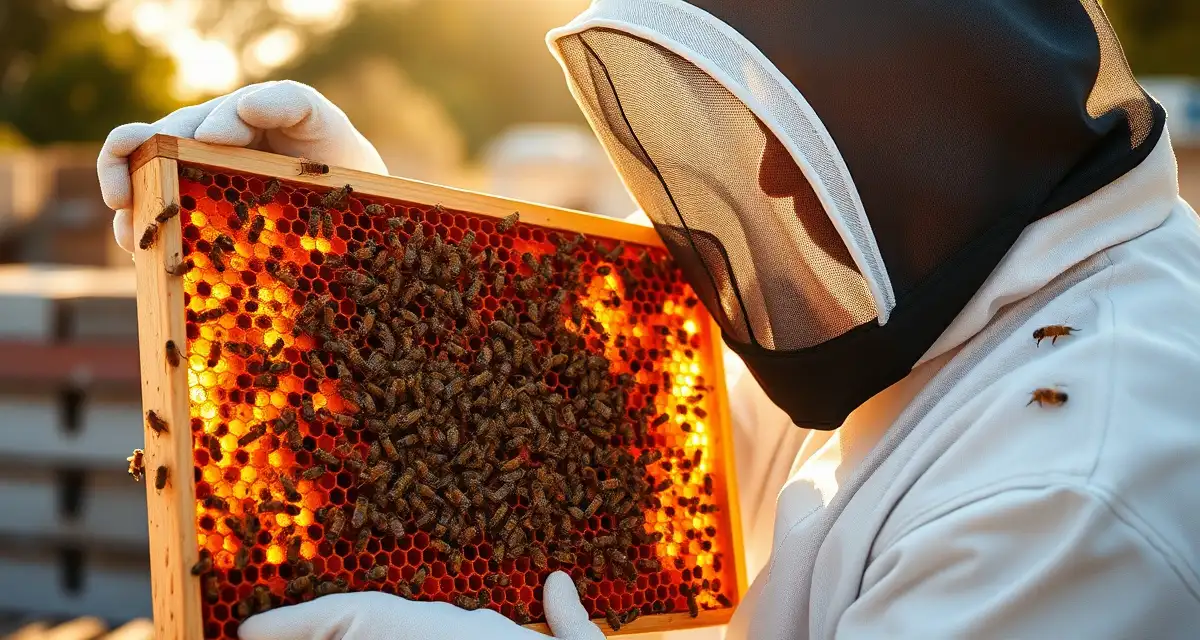
Hive strength history reports show growers exactly why your rates are justified. A grower who can see that your hives consistently arrive with 8+ frames of bees, strong brood patterns, and healthy populations has a reason to pay a premium. A grower who just sees a number on a paper has nothing to compare against.
What to Bring to the Negotiation
Pull your strength assessment data from the past two to three seasons. Show average frames of bees at delivery, brood frame averages, and any relevant performance data from previous seasons at similar sites.
If you have per-hive rate calculation data showing how your hive quality compares to regional averages, bring that too. Data transforms a rate request from "I want more money" into "here's why my service is worth more."
Connect Quality to Grower Outcomes
If you can point to crop set data, yield outcomes, or grower feedback from previous seasons, use it. Growers care about pollination effectiveness, not just hive count. If your hives are consistently stronger than the minimum contract spec, you're delivering more value than you're billing for.
Step 3: Research Regional Rates
You need to know what the market is paying before you enter a negotiation. Regional rates vary considerably. California almond pollination rates are very different from blueberry rates in Michigan.
Sources for regional rate data:
- Your state beekeeping association (many publish annual rate surveys)
- USDA Agricultural Research Service publications
- Regional pollination broker rate sheets
- Conversations with trusted fellow beekeepers (without colluding on pricing)
PollenOps provides rate benchmarking context so you can see where your rates sit relative to comparable operations in your region. Walking into a negotiation knowing the regional range means you know when a grower's opening offer is low and how much room exists to push.
Step 4: Structure Your Opening Position
Don't open with your target rate. Open higher, not absurdly higher, but with room to negotiate down to your target while still feeling like you've made a concession.
A reasonable opening for most pollination negotiations is 15-20% above your target. This gives you space to respond to pushback without falling below your floor.
State your opening rate confidently and briefly explain what supports it. Two or three sentences covering your cost structure increase, your hive quality consistently above contract minimums, and regional rates supporting this range. Then stop talking.
Silence after stating a price is uncomfortable. Let the grower fill it.
Step 5: Use Your Data When Challenged
Every grower will push back on your rate. It's standard negotiating behavior. What you do next determines whether you hold your price or fold.
When a grower says your rate is too high, ask them what rate they're comparing it to. Then explain specifically why your hives justify your rate.
"Last season, our hives averaged 8.3 frames of bees at delivery. Your contract minimum is 6. You're getting 38% more bee coverage than you're paying the minimum for. Our rate reflects that."
That's a different conversation than "I need to cover my costs." One is a value argument. The other is a personal appeal.
Using Pollination Contract Software
If you're using PollenOps, you can pull your historical strength data on the spot during a negotiation meeting. Showing a grower your actual performance records in real time is more convincing than anything you could put on paper in advance.
Step 6: Negotiate the Full Package, Not Just the Rate
Rate is one variable. Others include:
- Deposit amount and timing: a larger deposit protects you from cancellation losses
- Payment terms: net 15 vs net 45 is a real difference in cash flow
- Cancellation terms: what you receive if the grower cancels after a certain point
- Hive count flexibility: can you deliver a range rather than an exact number?
Sometimes you trade a small rate concession for better payment terms or stronger cancellation protection. The total contract value often matters more than the per-hive rate.
How to Respond When a Grower Says Your Rates Are Too High
This happens to everyone. Here's a framework for handling it without immediately dropping your price.
First, ask a question. "What rate were you expecting?" This gives you information. It tells you whether you're dealing with a genuine budget constraint or an opening gambit.
Second, acknowledge and reframe. "I understand rates have gone up. Our costs have too, and our hive quality has stayed consistently above contract minimums. I want to make this work for both of us."
Third, offer alternatives before reducing rate. Can you adjust payment timing? Can you commit to a longer contract in exchange for a modest rate reduction? Can you offer a small discount for early signing?
Finally, know your walk-away. If a grower won't pay your floor rate, it's a bad contract. Undercutting your floor doesn't build a sustainable business. It builds a dependent one.
FAQ
How do I know if I am charging a fair rate for pollination?
Compare your rate to regional averages from your state beekeeping association or USDA publications. Fair rates reflect your actual costs plus a reasonable margin, adjusted for your hive quality relative to contract minimums. If your hives consistently exceed strength requirements, a rate above the regional average is defensible. PollenOps rate benchmarking data gives you a current regional context so you can see where you stand.
What data should I bring to a rate negotiation with a grower?
Bring your hive strength history showing average frames of bees and brood quality over the past two to three seasons. Bring your cost analysis so you know your floor. Bring regional rate comparisons showing where your rate sits in the market. If you have crop performance data or grower testimonials from previous seasons at similar sites, those strengthen your position further.
How do I respond when a grower says my rates are too high?
Ask what rate they were expecting so you understand the gap. Then reframe the conversation around value rather than cost: what do your hives deliver compared to the contract minimum? Offer to adjust contract terms (payment timing, deposit, cancellation protection) before adjusting rate. Know your cost floor before you enter the room, and don't go below it. Beekeepers who hold their rates consistently are seen as more professional and reliable than those who drop prices on demand.
How should fuel costs be factored into pollination pricing?
At current diesel prices of $4.50-5.50 per gallon in California, a single truck run from Florida to California costs $3,500-5,000 in fuel alone, plus driver wages, insurance, and DOT compliance. This transport cost must be distributed across the hives on that truck to calculate the true break-even per-hive rate. Operators who do not explicitly account for transport costs in their pricing often discover that apparently profitable contracts are actually breakeven or worse after logistics expenses.
What premium can operations charge for documented premium colonies?
Documented premium colonies (8+ frames of bees with verified mite counts below threshold and recent health inspection records) typically command $15-25 per hive more than 6-frame minimum contracts. For a 1,000-hive operation, moving from 6-frame to 8-frame pricing on half the fleet adds $7,500-12,500 in revenue per almond season. The documentation requirement is what makes the premium credible; growers who have been burned by strength disputes are willing to pay for verifiable quality.
How do payment delays affect cash flow during peak season?
A 30-day net payment on the 50% removal payment means a beekeeper who delivers 1,000 hives at $200/hive in February and pulls them in late March does not receive the second $100,000 payment until late April. Meanwhile, diesel, crew wages, and truck costs for the next move occur in March and April. This timing gap is why negotiating 14-day net (or shorter) on the second payment matters for operations that carry significant per-season logistics costs.
Try These Free Tools
Sources
- USDA Agricultural Research Service
- Bee Informed Partnership
- American Beekeeping Federation (ABF)
- American Honey Producers Association
- Project Apis m.
Walk In With Data, Walk Out With Better Contracts
Rate negotiation isn't about being aggressive. It's about being prepared. When you know your costs, know your quality, and know the market, the conversation shifts from a battle to a business discussion.
Get Started with PollenOps
Understanding the true cost of every hive placement -- including transport, crew, and logistics -- is the foundation of profitable pricing. PollenOps helps you track per-hive economics across your full operation so pricing decisions are based on data rather than estimates.