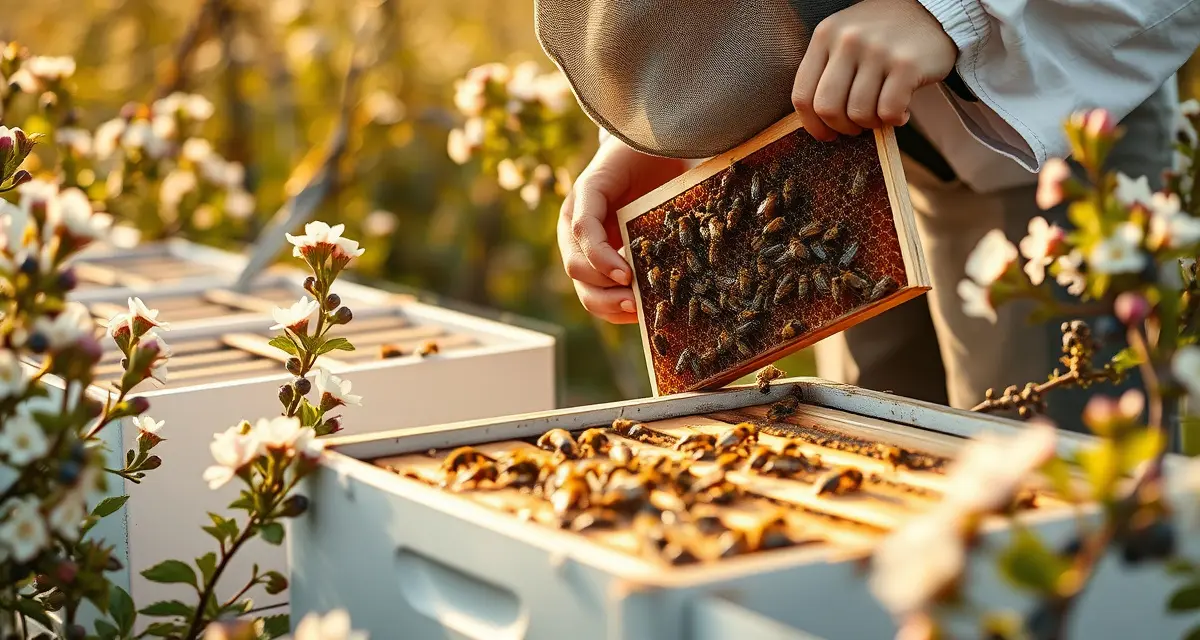
Blueberry Pollination in Michigan: Contracts Timing and Logistics
Michigan is one of the top blueberry-producing states in the country, and for migratory beekeepers coming off California almonds, it fits the circuit almost perfectly. Michigan blueberry pollination follows California almonds by roughly 10 to 12 weeks, meaning colonies that leave the San Joaquin Valley in late February or early March can arrive in Western Michigan in late April in good shape for blueberry bloom.
The blueberry acreage in Michigan is concentrated in the lakeshore counties of the western Lower Peninsula, with Van Buren, Allegan, Ottawa, and Muskegon counties accounting for more than 90% of cultivated highbush blueberry production. If you're looking for contracts in Michigan, this is where your conversations need to happen.
TL;DR
- Commercial blueberry pollination requires 2-4 hives per acre depending on variety and field density.
- Blueberry bloom windows are narrow (7-14 days) and vary by region from late February in Alabama to July in Maine.
- Lowbush blueberry in Maine operates under a different management model than highbush operations in Michigan, New Jersey, and the Pacific Northwest.
- Hive strength requirements for blueberry contracts typically range from 5-7 frames of bees depending on the grower.
- Coordinating delivery timing across multiple growers within a compressed bloom window is the primary logistics challenge in blueberry season.
The Michigan Blueberry Calendar
Highbush blueberry bloom in Michigan typically runs from early to mid-May in the southern lakeshore counties, pushing to late May further north. The window for effective pollination is relatively tight, 10 to 14 days per variety, so on-time hive delivery matters.
Growers who have been burned by late deliveries or weak colonies are understandably cautious about new contractors. Building a track record of consistent, timely delivery is worth more than any price discount when you're trying to break into a new grower relationship.
After almond season in California, your fleet needs to move fast. Operators who manage the transition out of almond pollination efficiently, getting trucks loaded and rolling by late February, have the most flexibility to reach Michigan in good shape.
What Growers Require
Michigan blueberry growers typically require colonies at a minimum of 6 frames of bees and 4 frames of brood at time of placement. Some growers ask for verification, including third-party hive counts, particularly for larger contracts. Know what you're delivering and have documentation ready.
Colony strength coming out of California almonds can vary. Varroa loads during almond season, late winter weather, and nutrition availability all affect what your colonies look like in April. Operators who prioritize post-almond recovery time and mite management arrive in Michigan with stronger bees and fewer disputes.
You're placing colonies for 3 to 4 weeks typically, then pulling out before late-May harvest operations begin. Coordinate pickup timing carefully with growers to avoid conflicts with their field equipment.
Contract and Rate Structure
Michigan blueberry pollination rates have historically run in the $60 to $90 per hive range, though rates vary based on colony strength guarantees, the grower's location, and overall demand in a given season. Operators with a track record in Michigan can often command rates toward the top of that range.
Contracts should specify placement date, minimum colony strength, number of hives, yard locations, pickup timing, and payment terms. Growers who have been through disputes know what they want in writing. Come prepared with a contract template that covers these elements.
For operators managing blueberry pollination contracts across multiple states, keeping contract terms, hive counts, and delivery schedules in one system prevents the missed details that turn into disputes.
Logistics and Movement into Michigan
Michigan requires a certificate of health for colonies entering from out of state. You need to have this paperwork in order before your trucks cross the Michigan line. Get your home state inspection done early, as inspector schedules fill up fast in late winter.
Register your Michigan yard locations with the Michigan Department of Agriculture and Rural Development before hives arrive. Out-of-state commercial operators placing hives in Michigan are subject to the state's apiary registration requirements.
The lakeshore blueberry country is accessible but can have logistical challenges. Sandy soils in some areas limit where you can set down pallet loads, particularly after rain. Know your yard access conditions before you commit to locations.
Regulations and Compliance
Michigan conducts random inspections of incoming colonies and commercial yard operations during the blueberry season. Inspectors check for American foulbrood, European foulbrood, small hive beetle, and Varroa mite loads. Keeping clean, healthy colonies and having your paperwork in order means inspections are a non-event.
For commercial operations registered in Michigan, maintaining current registration and inspection documentation is part of routine operations management.
Frequently Asked Questions
How do you get blueberry pollination contracts in Michigan?
Most Michigan blueberry contracts come through direct relationships with growers or through referrals from other beekeepers. The western lakeshore counties are where to focus your prospecting, particularly Van Buren and Allegan counties. Contact growers in the fall when they're planning for the following spring, not in April when they're already scrambling. Local farm bureaus and the Michigan Blueberry Growers Association are useful networks for introductions. Growers who've had bad experiences with contractors in the past are cautious, so come with references and a clear contract proposal.
When is blueberry pollination season in Michigan?
Michigan highbush blueberry bloom typically runs from early May to late May, with timing varying by variety and location. The southern lakeshore counties bloom first, usually around the first week of May, while northern areas peak 10 to 14 days later. bloom timing can shift by a week or more depending on spring temperatures. Operators should plan to have colonies in place by late April in the southern counties to ensure they're there when bloom opens. Build in flexibility for weather delays during your drive from California or other spring pollination stops.
What colony strength do Michigan blueberry growers require?
Most Michigan blueberry growers require a minimum of 6 frames of bees with at least 4 frames of brood at time of placement. Some growers with premium programs or higher rates may require 8 frames of bees. Colony strength requirements are typically specified in the contract, and growers or their representatives may conduct hive count inspections at placement. Delivering colonies that meet or exceed the contracted strength standard is the single most important thing you can do to build a lasting grower relationship in Michigan.
What is the difference between lowbush and highbush blueberry pollination requirements?
Lowbush blueberry (Vaccinium angustifolium), grown primarily in Maine and eastern Canada, is managed as a wild crop in natural fields and requires 2-4 hives per acre. Highbush blueberry, grown commercially in Michigan, New Jersey, Oregon, and Washington, is a cultivated crop with different density requirements (typically 2-3 hives per acre). Lowbush bloom happens in late June to early July in Maine, while highbush bloom varies from May in the Mid-Atlantic to July in northern Michigan.
How long is the blueberry pollination placement period?
Blueberry pollination placements typically run 2-4 weeks, covering the full bloom window plus a few days before and after. Hives should be in position 1-2 days before peak bloom to allow forager orientation. Removal timing is typically negotiated in the contract and often coincides with petal fall or a set number of days after delivery. Most blueberry contracts specify 3-4 weeks of placement.
Can blueberry pollination contracts be combined with other crops in the same region?
Yes, and this is how experienced operators build efficient circuits. In the Pacific Northwest, blueberry season in June-July follows apple and cherry pollination in April-May. In New England, blueberry contracts in Maine (July) can follow apple pollination in Massachusetts and New York (May). Michigan blueberry in May-June can precede summer honey flows in the northern Midwest. Sequencing crops within a region reduces transport costs and maximizes revenue per hive per season.
Try These Free Tools
Sources
- USDA Agricultural Research Service
- Bee Informed Partnership
- American Beekeeping Federation (ABF)
- University of Maine Cooperative Extension
- Michigan State University Extension Apiculture Program
Get Started with PollenOps
Blueberry pollination across multiple growers and states requires tight coordination between delivery timing, hive inventory, and contract documentation. PollenOps tracks each grower's contract terms alongside your hive assignments and yard locations so your team executes on the schedule you planned, not the schedule you remember.