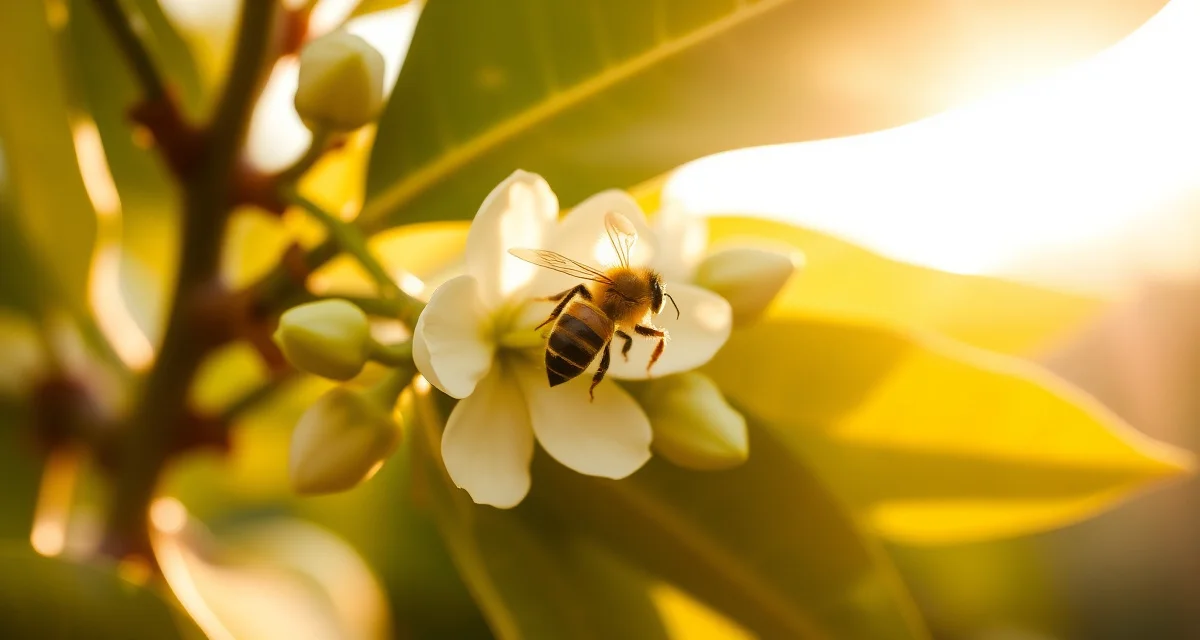
Avocado Pollination Contracts: California and Florida Opportunities
Avocado pollination runs counter-season to California almonds, primarily November through February in California, and year-round in South Florida's tropical climate. For migratory beekeepers already in California staging for almonds, avocado is a revenue-generating bridge that uses hives during what would otherwise be a maintenance period.
TL;DR
- Commercial avocado production in California is concentrated in San Diego, Ventura, and Santa Barbara counties.
- Avocado pollination is unusual because the crop is a self-pollinator that still benefits significantly from bee activity for yield.
- bloom timing for California avocado runs February through May depending on variety and location, overlapping with almond season.
- Avocado orchards often present challenging terrain for truck access; hive placement logistics require advance scouting.
- Pollination rates for avocado typically run $80-120 per hive, lower than almond but with potentially better post-delivery conditions.
The Avocado Pollination Market
California produces about 90% of US domestic avocados. Acreage is concentrated in San Diego and Ventura counties, with additional groves in San Luis Obispo, Santa Barbara, and Riverside counties. The California avocado industry is smaller than almonds (roughly 50,000–60,000 bearing acres), but the per-acre revenue is high and growers are willing to pay for good pollination.
Florida has a significant avocado industry centered in Miami-Dade County, primarily producing tropical and semi-tropical varieties distinct from California's Hass-dominated market. Florida avocado bloom runs differently through the year and is less dependent on commercial bee placement due to natural bee populations in subtropical South Florida.
Avocado Flower Biology
Avocado flowers have a unique synchronous dichogamy system. Each flower opens twice: first as female (receptive to pollen), then closes, then reopens as male (releasing pollen). "Type A" and "Type B" avocado varieties have opposite timing: A flowers are female in the morning and male in the afternoon, while B flowers are male in the morning and female in the afternoon.
Cross-pollination between A and B varieties improves set rates. Your bees facilitate this cross-pollination by visiting both variety types throughout the day.
Timing in California
California avocado bloom timing varies by variety and location:
- Hass (Type A): Primary commercial variety, blooms approximately November–February in San Diego County, slightly later in northern growing areas
- Fuerte (Type B): Blooms slightly earlier, often October–December
Avocado bloom overlaps with California almond staging. Most operators running almonds are already in California in November–January. This creates a natural opportunity: place hives on avocado groves while building colony strength for almond delivery in February.
The overlap requires careful management. Hives placed on avocado shouldn't be simultaneously committed to almond contracts without a clear staging plan.
Contract Terms
Avocado pollination contracts rates: $75–115/hive in California, depending on grove size, hive density requirements, and history with the grower.
Hive density requirements: typically 1–2 hives per acre for avocado. Some growers in high-elevation groves with limited natural bee activity specify higher densities.
Avocado contracts are typically shorter-term than almond contracts, often 4–6 weeks during peak bloom rather than the 3–5 week intensive almond rental. Some growers want hives on the property for extended periods (the entire fall/winter bloom season), in which case longer-term rates apply.
Avocado-specific issues:
- Avocado groves are often on steep hillside terrain. Truck access can be challenging. Confirm access before accepting any contract.
- Pesticide applications in avocado (particularly for persea mite, avocado thrips, and laurel wilt) can be toxic to bees. Notification requirements are important.
- Fog and marine layer in coastal San Diego and Ventura counties can suppress foraging for days at a time. Plan for reduced bee activity windows.
Fitting Avocado Into Your Circuit
The California avocado circuit fits best for operators who:
- Winter or stage hives in Southern California before almonds
- Have existing relationships in San Diego or Ventura county agriculture
- Want to monetize hives during November–February pre-almond staging
A typical Southern California staging circuit:
- Hives arrive in Southern California September–October from summer honey yards
- November–January: avocado placement in San Diego/Ventura, generating $80–100/hive
- February: transition to almond staging yards, then deliver to Central Valley for almond season
- March: almond removal
The same hives generating $200/hive in almonds can generate $85/hive in avocado during the 3 months prior, adding $85,000 to the gross revenue of a 1,000-hive almond fleet.
FAQ
What hive strength is needed for avocado pollination?
Avocado pollination contracts typically specify 4–6 frames of bees per colony. Avocado requires active forager populations to facilitate the cross-pollination between Type A and Type B varieties throughout the day. Colonies that are too small to maintain high forager activity during the limited daily foraging windows (morning and afternoon variety-type crossover) underperform. For California operators staging hives before almond season, targeting 5+ frames per colony going into avocado is both sufficient for pollination performance and consistent with building toward the 6–8 frame standard needed for February almond delivery.
When is avocado bloom in California?
California avocado bloom varies by variety and location. Hass (Type A), the dominant commercial variety, blooms approximately November through February in San Diego County. Fuerte (Type B) and other varieties bloom somewhat earlier. Northern California growing areas (Santa Barbara, San Luis Obispo) tend to bloom slightly later than San Diego. Not all trees bloom uniformly. Individual trees may cycle through multiple bloom periods. Growers monitor individual grove conditions and work with beekeepers to time delivery for peak effective bloom rather than a fixed calendar date.
How do avocado pollination rates compare to almond?
Avocado pollination rates in California run $75–115/hive, compared to $185–220/hive for almonds. The lower rate reflects both shorter rental periods in some contracts and lower per-hive revenue justification for the grower compared to almond economics. However, avocado contracts during the pre-almond period (November–February) generate revenue from hives that would otherwise be idle or incurring staging costs. An operation staging 1,000 hives in Southern California before almonds can generate $75,000–115,000 in avocado revenue during the November–January window before the February almond circuit begins.
What is the difference between commercial and hobby beekeeping?
Commercial beekeeping is distinguished by scale (typically 100+ hives, often 500-5,000+), revenue source (pollination contracts and bulk honey sales rather than local honey retail), and management approach (systematic protocols applied across yards rather than individual colony attention). Commercial operators manage bees as an agricultural enterprise, with the administrative, regulatory, and logistical complexity that entails. Most commercial operators derive the majority of their income from pollination services; honey production is a supplementary revenue stream.
How many hives are needed to make commercial beekeeping a full-time income?
Most beekeeping economists put the full-time commercial threshold at 500-800 hives, assuming efficient operations management and a combination of pollination and honey revenue. At 500 hives and $200/hive for almond pollination, almond season alone generates $100,000 in gross revenue before expenses. Net margins depend on operational efficiency, but well-run operations can achieve 30-50% net margins on pollination revenue. Additional crops and honey production improve per-hive economics but require additional management capacity.
What is the annual revenue potential for a 1,000-hive commercial operation?
A 1,000-hive operation running an almond season ($200/hive) plus blueberry or apple contracts ($80-100/hive) plus summer honey production ($25-40/hive after extraction costs) can generate $300,000-360,000 in annual gross revenue. Net margins after transport, crew, equipment, and hive replacement costs typically run 25-40% for well-managed operations, putting net income at $75,000-145,000 annually. The specific number depends heavily on circuit efficiency, loss rates, and contract quality.
Try These Free Tools
Sources
- USDA Agricultural Research Service
- Bee Informed Partnership
- American Beekeeping Federation (ABF)
- California Avocado Commission
- University of California Cooperative Extension
Get Started with PollenOps
Avocado pollination in California's hill country orchards combines challenging terrain with the contract documentation requirements of any commercial placement. PollenOps handles the administrative side so you can focus on the placement logistics that require boots on the ground.