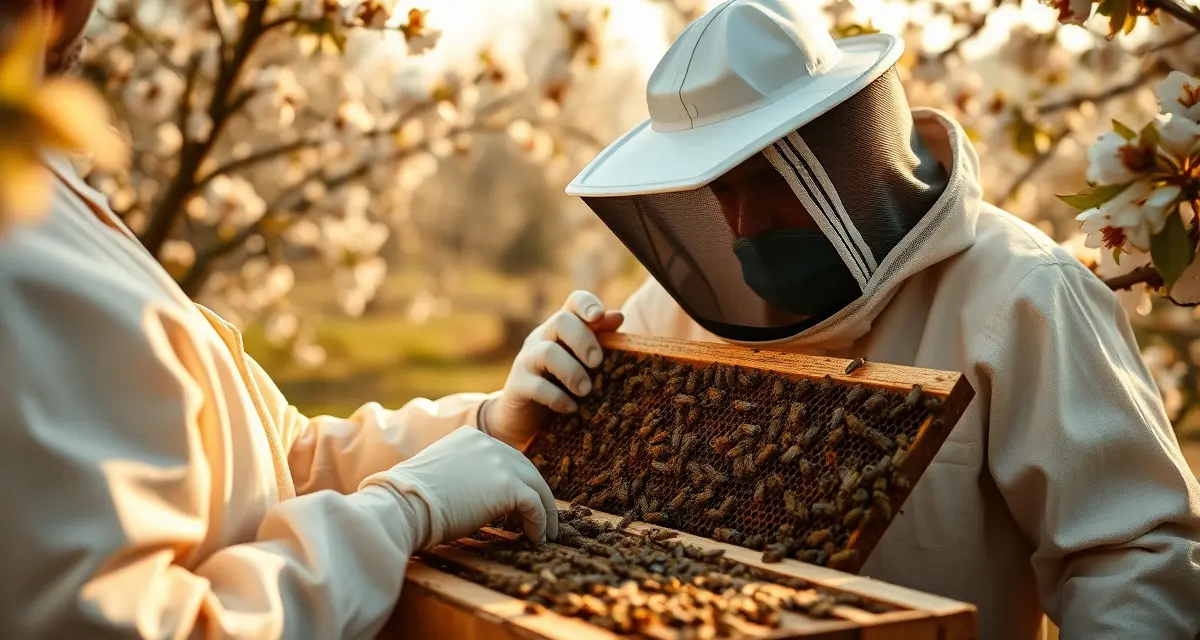
Walnut Pollination in California: A Growing Commercial Opportunity
California grows over 99% of US walnuts, and acreage growth in the 2020s is creating new pollination demand. Walnuts are wind-pollinated, so commercial bee placement hasn't historically been standard practice the way it is in almonds. But that's changing, and operators who understand the emerging walnut market can capture contracts before the space gets competitive.
Walnut bloom runs late February through April in California, overlapping with the tail end of almond season in some counties. That timing creates a meaningful opportunity: operations that move out of almond orchards in early March can potentially transition a portion of their fleet directly into walnut yards.
TL;DR
- California's primary commercial beekeeping role is shaped by its crop mix, climate, and position on the national pollination circuit.
- Pollination rates in California range $65-220/hive depending on crop depending on crop and colony strength requirements.
- Out-of-state operators entering California for pollination contracts must register with the state agricultural authority and obtain a Certificate of Health.
- California functions as either a primary pollination destination, a seasonal honey production location, or a transitional stop depending on the circuit.
- Tracking permit status, registration documents, and yard records for California operations requires organized record-keeping before the season opens.
Walnut Pollination Biology
Walnuts are wind-pollinated and self-incompatible, meaning pollen from one variety must reach flowers of another variety for nut set. Wind carries most of this pollen. Bees are not the primary pollinator in the biological sense, but research from UC Cooperative Extension has shown that bee activity near walnut orchards during bloom can increase nut set in some conditions.
The mechanism is indirect: bee foraging activity in the orchard can cause flower movement that releases and redistributes pollen, supplementing wind pollination. In dense orchard configurations where air flow is reduced, this supplemental effect becomes more significant.
Not all walnut growers see clear yield benefit from bee placement. The evidence is more variable than for almonds or cherries. Operations approaching the walnut market should be transparent with growers about what the research shows rather than overpromising.
Who Buys Walnut Pollination Services
The walnut growers most interested in bee placement are:
High-density plantings: Modern high-density walnut orchards (planted closer together) have reduced air movement between rows. In these systems, supplemental pollen distribution from bees is more likely to improve set.
Specific variety combinations: Some walnut variety combinations have low natural pollen overlap. Growers with these pairings sometimes purchase bee placements as an insurance measure.
Premium operations: Growers selling to specialty markets or producing certified organic walnuts may incorporate bee placement as part of a comprehensive orchard management approach.
New growers: Younger growers who've adopted best practices from almond neighbors are more open to trying managed pollination than long-established walnut operations.
Timing and Contract Structure
Walnut bloom timing varies by county and variety:
Southern San Joaquin Valley (Tulare, Kern): Late February to late March
Central Valley (Fresno, Madera, Merced): Early to mid-March
Northern Valley (Glenn, Tehama, Shasta): Mid-March to mid-April
The bloom window is 3-6 weeks from catkin opening (pollen shed) through pistillate flower receptivity. Both phases matter for pollination.
Walnut contracts currently don't have the standardized market structure that almonds do. You're negotiating custom terms with individual growers. Per-hive rates range from $50-120 depending on the grower's interest level and the scale of placement.
For pollination contract management software that handles walnut alongside your almond operations, PollenOps supports walnut as a crop type with timing and contract management.
Competitive Positioning
The walnut market is less developed than almonds, which means:
Less competition: Most commercial pollination beekeepers haven't developed walnut relationships. You can build a position in this market before it gets crowded.
Lower rates (currently): Walnut rates are well below almond rates. But if you can place colonies in walnut directly after almonds without additional transport, the incremental cost is low.
Relationship building: Walnut growers who try bee placement and see results become loyal clients. The grower networks for walnut and almond overlap significantly in the San Joaquin Valley.
Getting Contracts
Walnut industry contacts: Walnut industry associations, including the California Walnut Board and regional farm bureau events, are where you meet walnut growers. Unlike almonds, there are no established pollinator broker networks for walnuts, so direct relationship development is the primary path.
Geographic targeting: Focus on counties where walnut bloom timing aligns with your almond exit timing. If you're coming out of Stanislaus County almonds in early March, Stanislaus and adjacent San Joaquin County walnut growers are your best first contacts.
Trial placements: Some walnut growers will try a small placement (50-100 hives on a portion of their acreage) as a test before committing to full coverage. Trial placements at a modest rate are a good entry strategy.
Frequently Asked Questions
How do you get walnut pollination contracts in California?
Walnut pollination contracts are negotiated directly with growers rather than through established broker networks. The best entry points are California Walnut Board events, regional Farm Bureau meetings in walnut-producing counties, and direct outreach to large walnut operations in Tulare, Kern, Fresno, and Glenn counties. Unlike almonds, there's no established contract season calendar for walnuts, so growers may be approached at any time of year. Starting with trial placements on a portion of a grower's acreage at a modest rate is a common entry strategy. Operations with existing almond grower relationships in the same counties have a natural introduction path to walnut growers in the same networks.
When does walnut bloom in California?
Walnut bloom timing in California runs from late February in the southern San Joaquin Valley through mid-April in the northern Sacramento Valley. Specific timing by region: Tulare and Kern counties bloom late February to late March; Fresno and Madera counties peak in early to mid-March; Glenn, Tehama, and northern counties bloom mid-March through mid-April. Walnut bloom overlaps significantly with the tail end of almond season in many counties, which is part of what makes it attractive for operations transitioning out of almonds in March.
What colony strength do walnut growers prefer?
Walnut growers who use commercial bee placement tend to prefer the same strength standards as almond growers: a minimum of 6 frames of bees, with stronger colonies preferred. Since the research on walnut pollination benefit is less settled than for almonds, growers interested in bee placement are generally motivated to ensure maximum potential benefit. Bringing strong colonies and documenting strength with pre-move assessments in PollenOps builds the credibility you need to sustain and grow walnut relationships.
What is the process for registering an out-of-state apiary in a new state?
Most states require out-of-state operators to register with the state department of agriculture apiary program before placing colonies. The process typically involves submitting a registration application (online or paper), paying a fee (usually $10-50 per location), and providing contact information for the operation. Some states also require the registration to be renewed annually. Contact the destination state's department of agriculture apiary program at least 60 days before your planned arrival to confirm current requirements.
What documentation do state apiary inspectors typically review?
State apiary inspectors review health certificates for out-of-state colonies, registration documentation, and colony inspection records during apiary visits. Inspectors check for signs of American foulbrood, European foulbrood, and other regulated pests and diseases. Operations with organized digital records that include treatment history and mite counts typically have faster, less complicated inspections than operations without documentation. Some state inspectors also verify that varroa mite loads are below state entry thresholds.
What triggers a state apiary inspection?
State apiary inspections can be triggered by routine inspection schedules (most states inspect a percentage of registered apiaries annually), neighbor or landowner complaints, disease reports from nearby operations, or inspection requirements tied to state entry permits. California, in particular, has the right to inspect incoming loads at port of entry for commercial beekeeping operations. Maintaining current registration and organized records makes required inspections faster and less disruptive.
Try These Free Tools
Sources
- USDA Agricultural Research Service
- Bee Informed Partnership
- American Beekeeping Federation (ABF)
- California Department of Agriculture
- Project Apis m.
Get Started with PollenOps
Commercial operations working in California face the same registration, permit, and documentation requirements as any state on the national circuit -- plus California's specific regulatory requirements. PollenOps tracks your California yard records, contract assignments, and permit documentation alongside your full operation, so entering a new state doesn't add a separate administrative burden. See how the platform fits operations working across multiple states.