Blueberry and Cranberry Pollination in New Jersey: Contract Guide
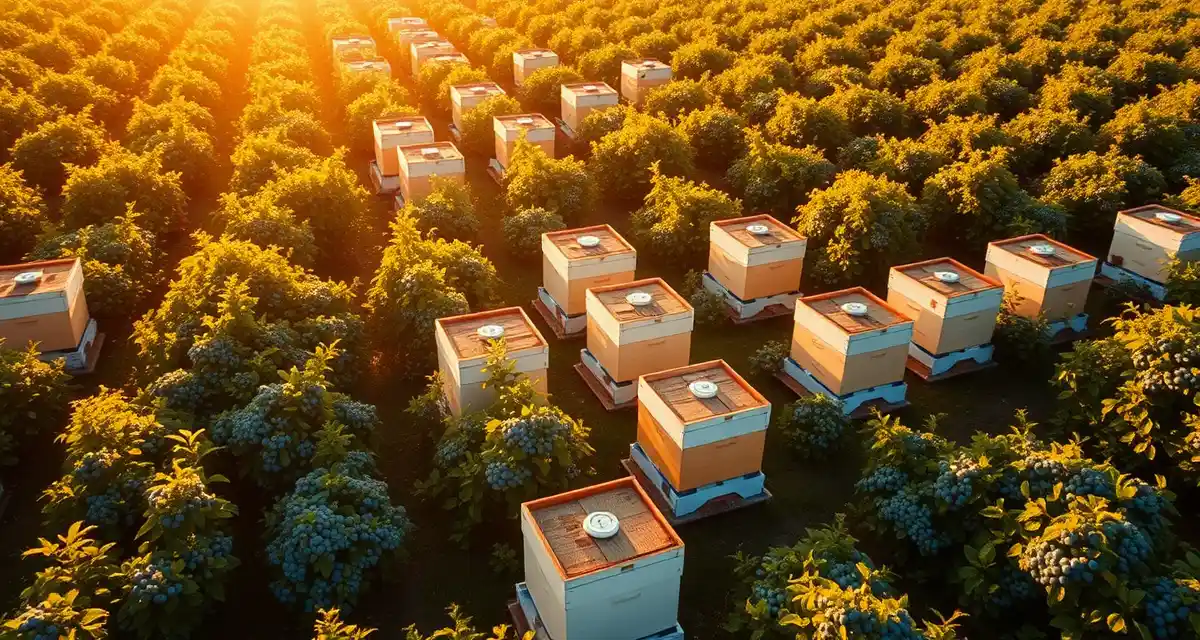
New Jersey's Pine Barrens support both blueberry and cranberry production in the same geographic region, creating a dual-crop opportunity for commercial beekeepers who can sequence their placements efficiently. New Jersey blueberry and cranberry seasons overlap in June, and the proximity of blueberry fields and cranberry bogs in Burlington, Atlantic, Ocean, and Cape May counties makes route planning essential for operators who want to work both crops.
New Jersey blueberry acreage has grown as the state's agricultural community has expanded specialty crop production, and the cranberry bogs of the Pine Barrens are a consistent regional market. Together, these two crops make New Jersey an interesting stop for Northeast circuit operators.
TL;DR
- New Jersey's primary commercial beekeeping role is shaped by its crop mix, climate, and position on the national pollination circuit.
- Pollination rates in New Jersey range $65-220/hive depending on crop depending on crop and colony strength requirements.
- Out-of-state operators entering New Jersey for pollination contracts must register with the state agricultural authority and obtain a Certificate of Health.
- New Jersey functions as either a primary pollination destination, a seasonal honey production location, or a transitional stop depending on the circuit.
- Tracking permit status, registration documents, and yard records for New Jersey operations requires organized record-keeping before the season opens.
New Jersey's Dual-Crop Calendar
Highbush blueberry bloom in New Jersey typically runs from late April through late May, depending on variety. The early varieties in the southern counties may bloom in late April, while later varieties further north can run through May 20 or beyond.
Cranberry bloom in New Jersey's Pine Barrens runs from approximately June 10 through July 5 in most years. The overlap zone is mid-to-late June, when some cranberry bloom is underway while late-season blueberry varieties are still producing residual bloom.
The sequential nature of the two crops creates an opportunity to place hives on blueberries in May, then transition to cranberry bogs in June without moving hives far from the Pine Barrens region. This efficient routing is exactly what operators who understand the New Jersey landscape can exploit.
For blueberry pollination contracts generally and for New Jersey cranberry specifically, the cranberry pollination market guide covers both in the context of the broader Northeast circuit.
New Jersey Blueberry Contracts
New Jersey blueberry growers are concentrated in the coastal plain counties south of the Pine Barrens. Burlington, Atlantic, Camden, and Cumberland counties are the major production areas.
Colony strength requirements for New Jersey blueberry mirror the national standard: 6 frames of bees minimum at placement. Growers who have had experience with multiple beekeepers can tell the difference between adequate and exceptional colony strength, and they remember who delivered which.
Contact blueberry growers in the fall for the following spring season. New Jersey's agricultural community is well-connected, and a good first-season relationship can lead to referrals to neighboring growers and to cranberry contracts in the same area.
New Jersey Cranberry Bogs
The Pine Barrens cranberry bogs are a distinct environment requiring the same water-access logistics as Massachusetts and Maine cranberry operations. Bog yards need dry access roads and stable placement locations that won't flood during wet spring weather.
New Jersey cranberry growers are experienced agricultural operators accustomed to contracted services. They know what they want in a beekeeper, and they appreciate contractors who understand the bog environment and can deliver hives to challenging locations without drama.
For New Jersey regulatory compliance, having your NJ apiary registration current and entry documentation in order is the starting point before any contract work in the state.
Logistics in the Pine Barrens
The Pine Barrens road network includes sandy roads that can become impassable after rain for loaded trucks. Scout every yard access route before committing to a placement schedule. Know which roads are truck-accessible in all weather and which require dry conditions.
The Pine Barrens are also a protected ecosystem with specific regulations about land use and access. Growers and their landowner partners manage access carefully. Work through established grower channels rather than scouting uncharted areas independently.
Rates and Contract Structure
New Jersey blueberry pollination rates have typically run $75 to $100 per hive. Cranberry rates in New Jersey are similar to Massachusetts, around $80 to $100 per hive. Operators who secure both blueberry and cranberry contracts in the same region from the same or neighboring growers can sometimes negotiate package arrangements that work favorably for both parties.
Frequently Asked Questions
How do you get both blueberry and cranberry contracts in New Jersey?
The most efficient approach is to establish blueberry relationships first, since blueberry season comes first and there are more blueberry growers than cranberry producers in New Jersey. From successful blueberry relationships, ask for introductions to cranberry producers in the Pine Barrens. The two communities overlap geographically and through the New Jersey Agricultural Society and commodity grower organizations. A beekeeper with strong references from the blueberry community has a head start on cranberry negotiations. Reach out to both crop growers in the fall for the following spring/summer season.
What colony strength do New Jersey growers require?
New Jersey blueberry growers typically require 6 frames of bees at time of placement. New Jersey cranberry growers have similar standards, looking for colonies at 5 to 6 frames of bees with active brood production. For operators making the transition from blueberry to cranberry work in the same season, maintaining colony strength through the spring blueberry contract and into June cranberry placement requires attention to nutrition and mite management through the transition period.
What certificates are required for operating in New Jersey's Pine Barrens?
New Jersey requires annual apiary registration and health certificates for out-of-state colonies entering the state. For the Pine Barrens specifically, any operations involving placement on Pine Barrens protected lands go through the grower's access agreements. New Jersey also has specific pesticide regulations that apply to the Pine Barrens Preservation Area. Contact the New Jersey Department of Agriculture for current apiary registration requirements and any specific conditions that apply to Pine Barrens placements.
What is the process for registering an out-of-state apiary in a new state?
Most states require out-of-state operators to register with the state department of agriculture apiary program before placing colonies. The process typically involves submitting a registration application (online or paper), paying a fee (usually $10-50 per location), and providing contact information for the operation. Some states also require the registration to be renewed annually. Contact the destination state's department of agriculture apiary program at least 60 days before your planned arrival to confirm current requirements.
What documentation do state apiary inspectors typically review?
State apiary inspectors review health certificates for out-of-state colonies, registration documentation, and colony inspection records during apiary visits. Inspectors check for signs of American foulbrood, European foulbrood, and other regulated pests and diseases. Operations with organized digital records that include treatment history and mite counts typically have faster, less complicated inspections than operations without documentation. Some state inspectors also verify that varroa mite loads are below state entry thresholds.
What triggers a state apiary inspection?
State apiary inspections can be triggered by routine inspection schedules (most states inspect a percentage of registered apiaries annually), neighbor or landowner complaints, disease reports from nearby operations, or inspection requirements tied to state entry permits. California, in particular, has the right to inspect incoming loads at port of entry for commercial beekeeping operations. Maintaining current registration and organized records makes required inspections faster and less disruptive.
Try These Free Tools
Sources
- USDA Agricultural Research Service
- Bee Informed Partnership
- American Beekeeping Federation (ABF)
- New Jersey Department of Agriculture
- Project Apis m.
Get Started with PollenOps
Commercial operations working in New Jersey face the same registration, permit, and documentation requirements as any state on the national circuit -- plus New Jersey's specific regulatory requirements. PollenOps tracks your New Jersey yard records, contract assignments, and permit documentation alongside your full operation, so entering a new state doesn't add a separate administrative burden. See how the platform fits operations working across multiple states.