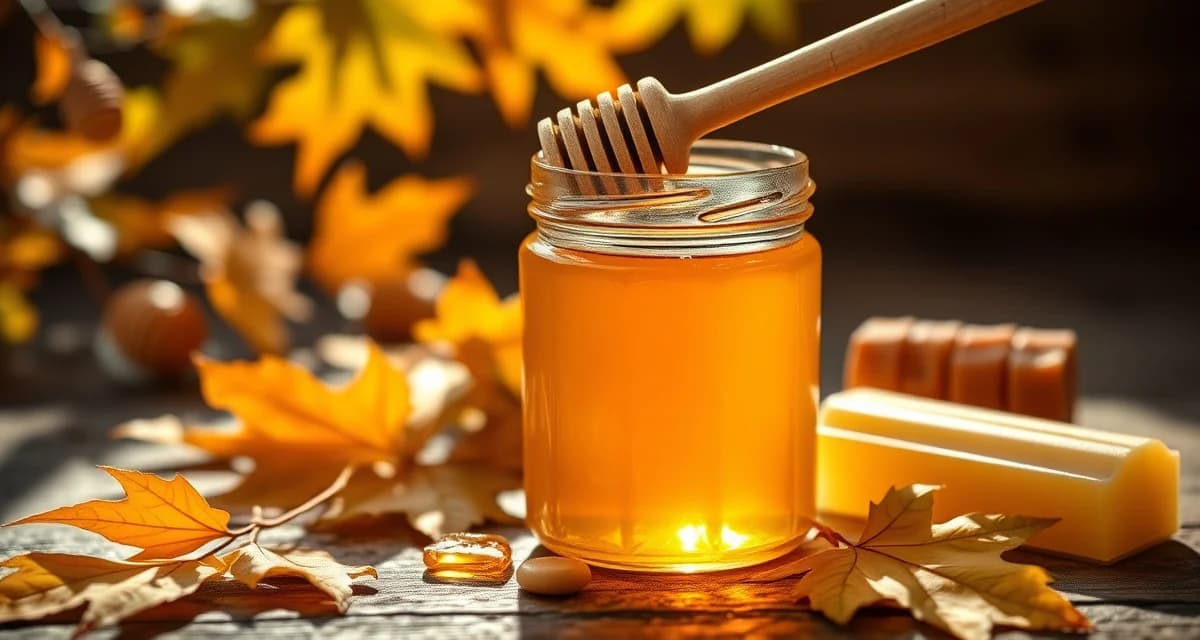
Maple Honey Production in New York and New England: Commercial Guide
New York basswood and maple honey commands $4-$8 per pound over commodity wildflower at wholesale. That premium is real, it's consistent, and it's driven by a combination of genuine flavor differentiation and the marketing power of the "New York" and "New England" origin story.
For commercial beekeepers positioned in the Northeast, maple and basswood represent one of the better premium honey opportunities in the country. The season is short, the geography is specific, and the market demand is strong enough to support pricing that makes the regional honey business viable at commercial scale.
TL;DR
- New York's primary commercial beekeeping role is shaped by its crop mix, climate, and position on the national pollination circuit.
- Pollination rates in New York range $65-220/hive depending on crop depending on crop and colony strength requirements.
- Out-of-state operators entering New York for pollination contracts must register with the state agricultural authority and obtain a Certificate of Health.
- New York functions as either a primary pollination destination, a seasonal honey production location, or a transitional stop depending on the circuit.
- Tracking permit status, registration documents, and yard records for New York operations requires organized record-keeping before the season opens.
Understanding the Northeast Forage Calendar
New York and New England offer a sequence of major honey plants through the season. Maple is the early anchor, and basswood is the summer centerpiece:
Sugar maple (Acer saccharum): Blooms in April through early May, often overlapping with the end of fruit tree bloom at lower elevations. The bloom is early and weather-dependent - some years are strong, some are light depending on spring temperatures. The nectar yield per tree is modest, but where maples are dense (Adirondacks, Catskills, Green Mountains, White Mountains), the cumulative forage can be substantial.
Tulip poplar (Liriodendron tulipifera): Found in New York's Hudson Valley and southern New England, tulip poplar is an early June powerhouse that produces abundant nectar in warm, humid conditions. Not maple, but often blended into "spring honey" in these regions.
Basswood/linden (Tilia americana): The crown jewel of New York commercial honey production. Basswood blooms in late June through early July across the Adirondacks, Catskills, and Northern Appalachians. A good basswood flow is among the most concentrated, high-yield honey events in the eastern US. Commercial beekeepers position specifically for basswood.
Goldenrod and aster: Fall flows in September through October provide late-season buildup for winter. The honey tends toward darker, stronger flavor - good for wholesale and baking markets, less suited for premium varietal positioning.
For commercial maple honey positioning, the strategy is to establish colonies in high-maple-density areas by late March so they're foraging during April maple bloom, then hold or move for the basswood flow if your geography supports it.
What Markets Are Best for Selling New York Maple Honey?
The premium honey market in New York and New England is diverse and accessible. The major channels:
Specialty food retail: New York City's specialty grocery market (Whole Foods, specialty independents, farmers market retailers, gourmet shops) is among the deepest premium honey markets in the country. A well-branded New York state maple or basswood honey at $14-$20/lb retail is not unusual in the metro market.
Direct-to-consumer via farmers markets: Hudson Valley, Catskill region, Berkshire, and Vermont farmers markets draw customers who actively seek local, varietal honey. Direct-to-consumer at farmers markets captures the highest retail margin but requires more time investment.
Regional wholesale: Specialty food distributors serving the Northeast (Provisions International, regional natural food distributors) place premium honey with restaurants and specialty retailers. Wholesale pricing for certified New York basswood or maple honey runs $4-$8/lb above generic wildflower, depending on packaging and volume.
Online direct: The Northeast premium honey story travels well online. A well-positioned e-commerce operation selling 1-2 lb jars at $18-$25 each is viable for operations willing to invest in packaging, photography, and basic digital marketing.
Restaurants and chefs: Farm-to-table restaurants in New York City, Hudson Valley, Boston, and Burlington are active buyers of premium regional honey with an origin story. Chef relationships can be valuable anchor accounts for premium production.
How to Position Maple Honey as a Premium Commercial Product
The premium honey market rewards specificity. "New York honey" is less valuable than "Adirondack basswood honey, June harvest." The more specific your origin and varietal claims, the stronger your pricing power.
Effective premium positioning elements for New York/New England honey:
Varietal specificity: If you're extracting basswood honey separately from a dedicated June pull, you can label it as basswood. Same for maple if you're capturing the April flow distinctly. Mixed spring honey is harder to differentiate.
Origin specificity: Adirondacks, Catskills, Green Mountains, White Mountains all carry geographic cachet with buyers who value provenance. County-level or regional labeling ("Sullivan County Basswood Honey") is more compelling than state-level.
Small-batch positioning: Production volumes that fit within the specialty food category (under 2,000 jars of a single varietal per season) support premium pricing that commodity volumes can't sustain. If you're extracting 10,000 lbs of basswood, you're wholesale. If you're extracting 1,500 lbs, you're specialty.
Harvest date: Include the harvest year and optionally the harvest month on your label. Freshness and vintage both matter to premium buyers.
Story: The commercial beekeeper who follows the bloom north each spring, positions hives in the high elevation forests, and harvests the short basswood window has an authentic story that resonates with premium buyers. That story belongs on your website, your label, and in your conversations with buyers.
PollenOps tracks your yard locations with GPS coordinates, so you can document origin claims accurately. When a buyer asks "where exactly are these hives," you have a precise answer.
What Forage Produces the Best Maple Honey in New York?
Pure maple honey in the sense of honey derived exclusively from maple nectar is difficult to achieve because maple bloom overlaps with other early-season plants. What you can achieve is a maple-dominant honey by:
Positioning hives in high-maple-density areas during April: The Adirondack region, Western Catskills, and Northern Appalachians have areas where sugar maple is the dominant canopy tree. In these locations during the brief maple bloom, bees will be working maple predominantly.
Extracting the spring pull separately: If you extract in early May before the main spring flow diversifies, you capture whatever the bees were collecting during maple season. In maple-dense areas, this is as close to varietal maple honey as you'll get from honeybees.
Understanding the limitations: Maple bloom is short (2-3 weeks) and nectar availability is weather-dependent. Some years produce substantial maple honey; others barely fill a super. Basswood is a more reliable premium honey target because the flow is more intense and more predictable.
The commercial reality is that most "New York spring honey" is a blend of early-season sources including maple, fruit bloom, dandelion, and whatever else is available. "Basswood honey" (June-July harvest) is both more accurate as a varietal claim and more commercially consistent.
Building a Commercial-Scale Northeast Honey Operation
At commercial scale (500+ hives), a Northeast honey production strategy typically involves:
Yard placement in high-forage areas: Identifying and leasing yard locations in basswood-dense forests or mixed northern hardwood zones with high maple density. Land access agreements with timber companies, conservation easements, state forest adjacent parcels, and rural landowners who value the pollination benefit.
Timed extraction: Pull basswood honey in late June-early July before the goldenrod flow begins. Mixing flows reduces the premium value.
Equipment scale: Commercial extraction (radial extractor, inline settling tanks, bottling equipment) is necessary to process 500+ hives efficiently. Honey house setup is a fixed investment that pays off at scale.
Market development: Building the retail and wholesale relationships to move premium honey takes 1-3 seasons. Plan your ramp-up accordingly - don't invest in production scale before you have market capacity to absorb it.
Regulatory requirements: New York requires honey house licensing for commercial sales. The New York Department of Agriculture and Markets oversees apiary registration and honey labeling standards. Vermont, Massachusetts, and other New England states have their own requirements. Verify current requirements before building your operation.
Frequently Asked Questions
How do you position maple honey as a premium commercial product?
Lead with geographic and varietal specificity rather than generic "local honey" positioning. "Adirondack basswood honey, June harvest" has more market power than "New York honey." Target specialty food retailers, farm-to-table restaurants, and direct-to-consumer channels in metro markets where premium honey buyers are concentrated. Package in formats that support premium pricing (8-12 oz glass, clean label design) and build the origin story into every touchpoint with buyers.
What markets are best for selling New York maple honey?
New York City specialty grocery, Hudson Valley and Catskill farmers markets, regional specialty food distributors, and online direct-to-consumer are the primary channels. The NYC metro market is the deepest premium food market in the Northeast and absorbs significant volumes of well-positioned local honey. Restaurants and chefs in farm-to-table markets are valuable anchor buyers. Avoid commodity wholesale pricing with conventional grocery unless you have volume and margin tolerance for those channels.
What forage produces the best maple honey in New York?
Sugar maple is the target varietal plant, found most densely in the Adirondack region, Western Catskills, and Northern Appalachians. True varietal maple honey requires early-season extraction in high-maple-density areas during the April bloom window. Basswood (June-July) is the more reliable premium varietal in New York and New England - the flow is more intense, more consistent year to year, and the resulting honey has distinctive flavor characteristics that support varietal labeling and premium pricing.
What is the process for registering an out-of-state apiary in a new state?
Most states require out-of-state operators to register with the state department of agriculture apiary program before placing colonies. The process typically involves submitting a registration application (online or paper), paying a fee (usually $10-50 per location), and providing contact information for the operation. Some states also require the registration to be renewed annually. Contact the destination state's department of agriculture apiary program at least 60 days before your planned arrival to confirm current requirements.
What documentation do state apiary inspectors typically review?
State apiary inspectors review health certificates for out-of-state colonies, registration documentation, and colony inspection records during apiary visits. Inspectors check for signs of American foulbrood, European foulbrood, and other regulated pests and diseases. Operations with organized digital records that include treatment history and mite counts typically have faster, less complicated inspections than operations without documentation. Some state inspectors also verify that varroa mite loads are below state entry thresholds.
What triggers a state apiary inspection?
State apiary inspections can be triggered by routine inspection schedules (most states inspect a percentage of registered apiaries annually), neighbor or landowner complaints, disease reports from nearby operations, or inspection requirements tied to state entry permits. California, in particular, has the right to inspect incoming loads at port of entry for commercial beekeeping operations. Maintaining current registration and organized records makes required inspections faster and less disruptive.
Try These Free Tools
Sources
- USDA Agricultural Research Service
- Bee Informed Partnership
- American Beekeeping Federation (ABF)
- New York Department of Agriculture
- Project Apis m.
Get Started with PollenOps
Commercial operations working in New York face the same registration, permit, and documentation requirements as any state on the national circuit -- plus New York's specific regulatory requirements. PollenOps tracks your New York yard records, contract assignments, and permit documentation alongside your full operation, so entering a new state doesn't add a separate administrative burden. See how the platform fits operations working across multiple states.