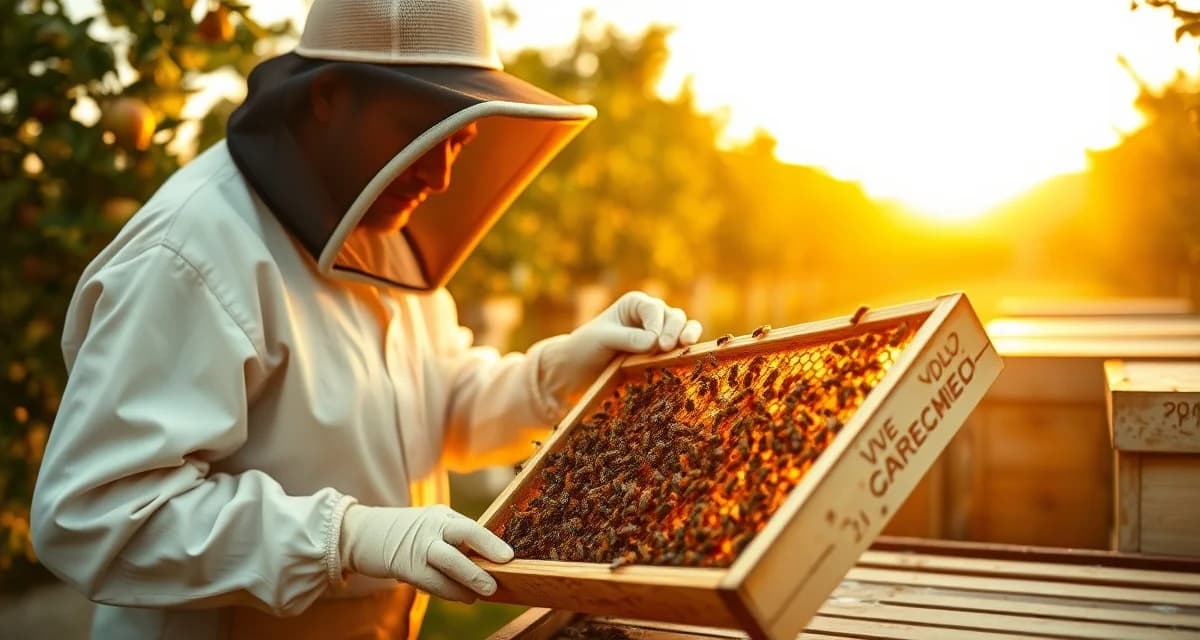
Commercial Beekeeping in Pennsylvania: Fruit Pollination and Regulations
Pennsylvania is a top apple producing state with significant soft fruit acreage requiring pollination. Pennsylvania requires apiary registration and inspection for colonies moving into the state. For commercial operators targeting the Northeast fruit circuit, Pennsylvania's Adams County (the state's apple capital) and the surrounding South Mountain region represent one of the more concentrated commercial fruit pollination markets on the East Coast.
The state's geography (a long east-west corridor stretching from the Great Lakes in the northwest to the Delaware Valley in the southeast) gives it more agricultural diversity than most northeastern states, with apple country in the south-central region, dairy country in the north, and a significant farm market economy throughout.
TL;DR
- Pennsylvania's primary commercial beekeeping role is shaped by its crop mix, climate, and position on the national pollination circuit.
- Pollination rates in Pennsylvania range $80-105/hive depending on crop and colony strength requirements.
- Out-of-state operators entering Pennsylvania for pollination contracts must register with the state agricultural authority and obtain a Certificate of Health.
- Pennsylvania functions as either a primary pollination destination, a seasonal honey production location, or a transitional stop depending on the circuit.
- Tracking permit status, registration documents, and yard records for Pennsylvania operations requires organized record-keeping before the season opens.
Pennsylvania Pollination Opportunities
Apples: Adams County (Gettysburg area) is the heart of Pennsylvania's commercial apple production. The South Mountain area of Adams, Franklin, and Cumberland counties produces a significant portion of Pennsylvania's 250-350 million pound annual crop. Apple bloom timing: late April to mid-May. Contract rates: $80-105/hive.
Blueberries: Pennsylvania's blueberry production is scattered but growing, particularly in the eastern Pocono region and in Lancaster County high-tunnel operations. Rates: $75-95/hive. Timing: May-June.
Sweet cherries and tart cherries: Limited but present in Adams County and some Chester County orchards. Rates: $80-100/hive.
Strawberries: Pennsylvania farm market strawberries create some demand in May. Commercial scale is modest.
Pumpkins and squash: Pennsylvania has one of the larger pumpkin growing regions in the East, with York, Lancaster, and Adams counties having significant pumpkin and gourd production for the fall market. Summer squash and zucchini crops at commercial scale require pollination. Timing: June-August. Rates: $55-75/hive.
Pennsylvania Honey Production
Tulip poplar: Pennsylvania's extensive mixed deciduous forests have significant tulip poplar density. The bloom occurs in May in the lower-elevation Piedmont areas. Tulip poplar honey is one of the first significant commercial honey flows in the state.
Black locust: Black locust (Robinia pseudoacacia) is invasive in many Pennsylvania woodlands and produces an exceptional early-season honey flow in May-June. Black locust honey is water-white to pale yellow, very mild, and slow to granulate. It's considered a premium varietal and commands $3-5/lb bulk from specialty buyers.
Wildflower: Pennsylvania's Amish farm country in Lancaster, Lebanon, and Berks counties has diverse agricultural forage (clover, buckwheat, and diverse field crops) that supports summer honey production.
Buckwheat: Pennsylvania grew some of the original US buckwheat crop and still has residual buckwheat in the central counties. Buckwheat honey from Pennsylvania has regional demand in specialty food markets.
Pennsylvania Apiary Regulations
Administering agency: Pennsylvania Department of Agriculture, Bureau of Plant Industry
Registration: Annual apiary registration required. Out-of-state commercial operators must register with the Pennsylvania Department of Agriculture before placing colonies.
CVI requirement: Pennsylvania requires a Certificate of Veterinary Inspection for colonies entering from out of state.
State inspection: Pennsylvania has an active apiary inspection program. AFB is monitored and managed under state authority. Pennsylvania inspectors have authority to require colony destruction for AFB-positive hives.
Pennsylvania's Northeast Circuit Position
Pennsylvania sits centrally in the Northeast US commercial circuit. For operations running the East Coast spring circuit:
- April-May: Pennsylvania and New Jersey apples and fruit
- Late May-June: New Jersey blueberries, New England cranberries and blueberries
- June-July: Northeast wildflower honey flows
The proximity to New York apple country and New Jersey blueberry country means a Pennsylvania spring can be extended into multiple states within a few hours' drive.
FAQ
What pollination opportunities exist in Pennsylvania?
Pennsylvania's primary pollination market is apple production in Adams County and the South Mountain region (late April-May, $80-105/hive). Secondary opportunities include blueberries (May-June, $75-95/hive), pumpkins and squash (June-August, $55-75/hive), and limited cherry and soft fruit contracts. Adams County apple production is among the more concentrated commercial fruit pollination markets in the Northeast. Operations targeting the region can access multiple grower contracts within a 30-mile radius during peak April-May bloom.
When is apple pollination season in Pennsylvania?
Pennsylvania apple bloom runs from late April through mid-May, with earlier bloom in the lower-elevation South Mountain region and later bloom in higher-elevation areas. Most commercial contracts require colony delivery in the April 20 to May 5 window. Bloom timing varies by variety. Gala and Fuji are early; Granny Smith is 2-3 weeks later. Operations serving multiple variety orchards can extend their Pennsylvania season by working orchards in geographic and elevation sequence, from south to north and low to high.
What are Pennsylvania's apiary registration requirements?
Pennsylvania requires annual registration with the Pennsylvania Department of Agriculture Bureau of Plant Industry for all commercial beekeepers including out-of-state operators. A Certificate of Veterinary Inspection is required for colonies entering the state from out of state. Pennsylvania has an active apiary inspection program with authority to require treatment or colony destruction for American foulbrood. Contact the Pennsylvania Department of Agriculture before your first Pennsylvania season to confirm current registration fees and entry documentation requirements.
What is the process for registering an out-of-state apiary in a new state?
Most states require out-of-state operators to register with the state department of agriculture apiary program before placing colonies. The process typically involves submitting a registration application (online or paper), paying a fee (usually $10-50 per location), and providing contact information for the operation. Some states also require the registration to be renewed annually. Contact the destination state's department of agriculture apiary program at least 60 days before your planned arrival to confirm current requirements.
What documentation do state apiary inspectors typically review?
State apiary inspectors review health certificates for out-of-state colonies, registration documentation, and colony inspection records during apiary visits. Inspectors check for signs of American foulbrood, European foulbrood, and other regulated pests and diseases. Operations with organized digital records that include treatment history and mite counts typically have faster, less complicated inspections than operations without documentation. Some state inspectors also verify that varroa mite loads are below state entry thresholds.
What triggers a state apiary inspection?
State apiary inspections can be triggered by routine inspection schedules (most states inspect a percentage of registered apiaries annually), neighbor or landowner complaints, disease reports from nearby operations, or inspection requirements tied to state entry permits. California, in particular, has the right to inspect incoming loads at port of entry for commercial beekeeping operations. Maintaining current registration and organized records makes required inspections faster and less disruptive.
Try These Free Tools
Sources
- USDA Agricultural Research Service
- Bee Informed Partnership
- American Beekeeping Federation (ABF)
- Pennsylvania Department of Agriculture
- Project Apis m.
Get Started with PollenOps
Commercial operations working in Pennsylvania face the same registration, permit, and documentation requirements as any state on the national circuit -- plus Pennsylvania's specific regulatory requirements. PollenOps tracks your Pennsylvania yard records, contract assignments, and permit documentation alongside your full operation, so entering a new state doesn't add a separate administrative burden. See how the platform fits operations working across multiple states.