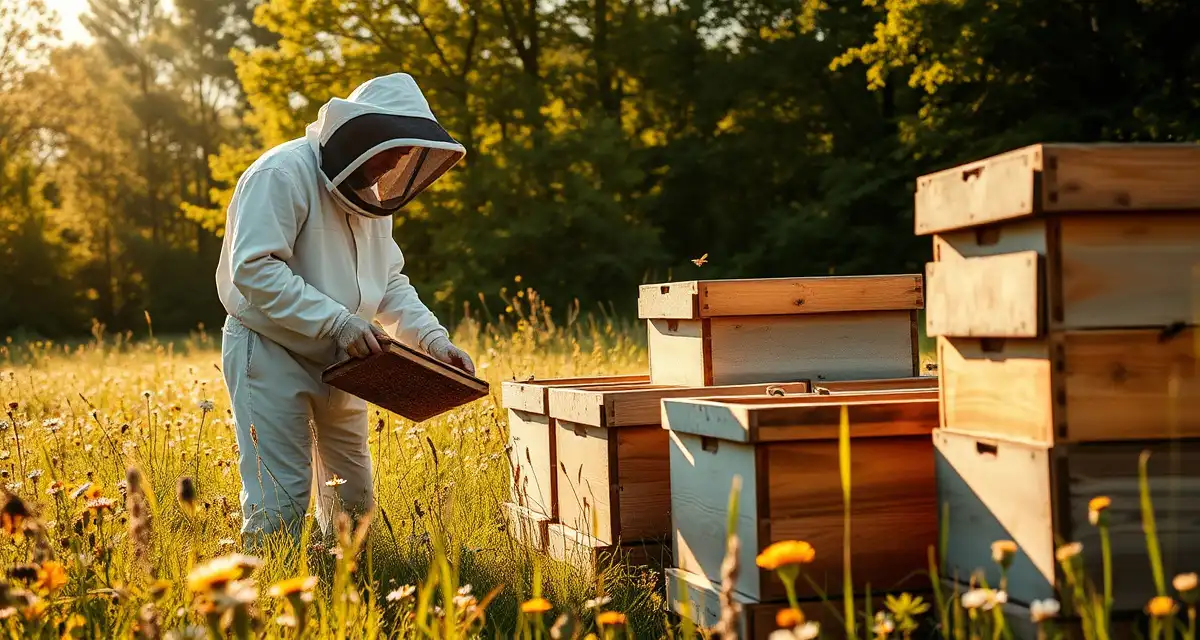
Commercial Beekeeping in Vermont: Maple and Wildflower Honey
Vermont requires annual apiary registration and inspection for commercial operations. Vermont's wildflower and basswood honey commands premium prices in specialty and direct markets. The state's brand as a natural, artisan food producer extends powerfully to honey, and Vermont honey gets premium positioning that many other states' honey doesn't.
TL;DR
- Vermont's primary commercial beekeeping role is shaped by its crop mix, climate, and position on the national pollination circuit.
- Pollination rates in Vermont range $75-100/hive depending on crop and colony strength requirements.
- Out-of-state operators entering Vermont for pollination contracts must register with the state agricultural authority and obtain a Certificate of Health.
- Vermont functions as either a primary pollination destination, a seasonal honey production location, or a transitional stop depending on the circuit.
- Tracking permit status, registration documents, and yard records for Vermont operations requires organized record-keeping before the season opens.
Vermont's Honey Production
Basswood/linden: Vermont's mixed hardwood forests have basswood (Tilia americana) in the transition zones and river valleys. The June-July basswood bloom produces the primary commercial flow: light, distinctive, sought by specialty buyers.
Wildflower: Vermont's agricultural landscape (dairy farms, orchards, and mixed agriculture) creates diverse summer wildflower forage. Vermont wildflower honey benefits enormously from the state's food brand. Vermont-origin honey sells at significant premiums in direct and specialty channels.
Goldenrod: Late summer goldenrod (August-September) is a significant flow in Vermont. Goldenrod honey is amber, mildly flavored, and provides colonies with fall stores. Some operators market late-season Vermont wildflower honey specifically.
Vermont Pollination
Apples: Vermont has commercial apple production in several counties, particularly Addison and Rutland counties. bloom timing: late April-May. Rates: $75-100/hive.
Blueberries: Limited commercial production.
Vermont Regulations
Administering agency: Vermont Agency of Agriculture, Food and Markets
Registration: Annual registration required. Out-of-state operators must register.
CVI requirement: Vermont requires health certificates for colonies entering from out of state.
State inspection: Vermont has an active apiary inspection program.
Vermont's Premium Honey Market
Vermont's food identity is the most powerful honey marketing asset in New England. Consumers in Boston, New York, and the broader Northeast pay premium prices for verified Vermont-origin honey with the same premium rationale that drives Vermont cheese, maple syrup, and craft food market purchases.
Vermont wildflower honey at farmers markets and specialty retailers commands $15-25/lb for branded, labeled product. Direct-to-consumer channels (farm stands, online, farmers markets at Stowe, Burlington, Woodstock) support operations that produce quality honey and invest in the Vermont brand story.
FAQ
What honey production opportunities exist in Vermont?
Vermont's primary commercial honey crops are basswood (June-July, premium varietal), summer wildflower from diverse agricultural and forest forage, and goldenrod (late August). The state's powerful food brand makes Vermont-origin honey one of the most marketable premium honey products in the northeastern US. Well-branded Vermont wildflower or basswood honey commands $15-25/lb at direct retail versus $2-3/lb for generic bulk. The premium market justification is genuine, not just marketing.
What forage does Vermont offer for commercial beekeeping?
Vermont's forests (basswood, tulip poplar at southern extent, diverse hardwoods) provide the primary June-July flow. Agricultural landscapes (dairy farm pastures with clover, orchard areas, roadsides) provide diverse summer wildflower forage. Late summer goldenrod covers much of the state in August. Vermont's relatively low-intensity agriculture and dairy-dominant land use creates better forage diversity than the intensively farmed grain belt states.
What are Vermont's apiary registration requirements?
Vermont requires annual registration with the Vermont Agency of Agriculture, Food and Markets. Out-of-state commercial operators must register. Health certificates are required for colonies entering from out of state. Vermont has an active apiary inspection program. Contact the Vermont Agency of Agriculture before your first Vermont season to confirm current registration fees and entry documentation requirements.
What is the process for registering an out-of-state apiary in a new state?
Most states require out-of-state operators to register with the state department of agriculture apiary program before placing colonies. The process typically involves submitting a registration application (online or paper), paying a fee (usually $10-50 per location), and providing contact information for the operation. Some states also require the registration to be renewed annually. Contact the destination state's department of agriculture apiary program at least 60 days before your planned arrival to confirm current requirements.
What documentation do state apiary inspectors typically review?
State apiary inspectors review health certificates for out-of-state colonies, registration documentation, and colony inspection records during apiary visits. Inspectors check for signs of American foulbrood, European foulbrood, and other regulated pests and diseases. Operations with organized digital records that include treatment history and mite counts typically have faster, less complicated inspections than operations without documentation. Some state inspectors also verify that varroa mite loads are below state entry thresholds.
What triggers a state apiary inspection?
State apiary inspections can be triggered by routine inspection schedules (most states inspect a percentage of registered apiaries annually), neighbor or landowner complaints, disease reports from nearby operations, or inspection requirements tied to state entry permits. California, in particular, has the right to inspect incoming loads at port of entry for commercial beekeeping operations. Maintaining current registration and organized records makes required inspections faster and less disruptive.
Try These Free Tools
Sources
- USDA Agricultural Research Service
- Bee Informed Partnership
- American Beekeeping Federation (ABF)
- Vermont Department of Agriculture
- Project Apis m.
Get Started with PollenOps
Commercial operations working in Vermont face the same registration, permit, and documentation requirements as any state on the national circuit -- plus Vermont's specific regulatory requirements. PollenOps tracks your Vermont yard records, contract assignments, and permit documentation alongside your full operation, so entering a new state doesn't add a separate administrative burden. See how the platform fits operations working across multiple states.