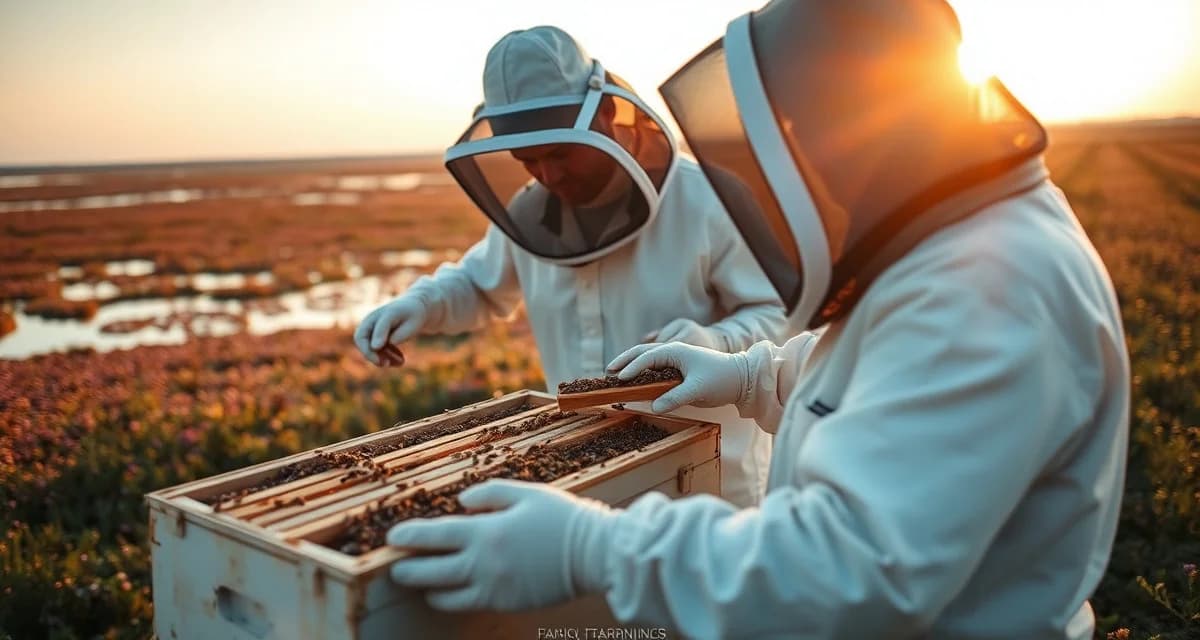
Wisconsin Cranberry Pollination Regulatory Requirements for Beekeepers
Wisconsin requires registration and may require inspection for out-of-state colonies, and Wisconsin cranberry pesticide protocols are strict due to the aquatic nature of bog production. Wisconsin produces more cranberries than any other state, and the cranberry industry's relationship with pollinators is taken seriously by growers and regulators alike.
TL;DR
- Wisconsin's primary commercial beekeeping role is shaped by its crop mix, climate, and position on the national pollination circuit.
- Pollination rates in Wisconsin range $65-220/hive depending on crop depending on crop and colony strength requirements.
- Out-of-state operators entering Wisconsin for pollination contracts must register with the state agricultural authority and obtain a Certificate of Health.
- Wisconsin functions as either a primary pollination destination, a seasonal honey production location, or a transitional stop depending on the circuit.
- Tracking permit status, registration documents, and yard records for Wisconsin operations requires organized record-keeping before the season opens.
Wisconsin State Entry Requirements
Wisconsin Department of Agriculture, Trade and Consumer Protection (DATCP) Registration: All beekeepers maintaining apiaries in Wisconsin must register with DATCP. Out-of-state operators bringing colonies for cranberry pollination must register before placing hives.
Certificate of Health: Wisconsin may require a certificate of health for out-of-state colonies depending on origin state and current disease risk assessments. Contact DATCP's apiary program annually to confirm whether a certificate is required for your state of origin. Requirements can change based on disease prevalence in source states.
Inspection: DATCP apiary inspectors may inspect colonies at the yard. Having current disease-free documentation and clean colony records is your compliance foundation.
Contact DATCP's apiary program in January to confirm current season requirements before planning your spring Wisconsin trip.
Wisconsin Cranberry Production Areas
Wisconsin cranberry production is concentrated in the central sands region:
Wood County (Cranmoor, Pittsville area): One of the highest cranberry production density areas in the state. Operator relationships with Wood County growers are central to Wisconsin cranberry business.
Waushara County: Central sands cranberry production, alongside potato and other vegetable production.
Monroe County: Significant cranberry production in the Tomah-Sparta area.
Jackson County: Active cranberry production in the central western part of the state.
Juneau County: Mauston area, active cranberry production.
County-level registration requirements vary. Contact county agricultural offices or DATCP for county-specific requirements in your operation's counties.
Cranberry Pesticide Protocols
Cranberry bogs are aquatic systems: the berries grow in flooded or semi-flooded conditions, and pesticides applied to or near bogs can affect the entire aquatic environment, not just the target pest. This drives stricter pesticide protocols than most terrestrial crop environments.
Aquatic label requirements: Pesticides applied near Wisconsin cranberry bogs must carry appropriate aquatic-use labeling. Growers are restricted to products approved for aquatic use around the bog perimeter and water management infrastructure.
Bloom period restrictions: During cranberry bloom (late May through early July in Wisconsin), growers are restricted from applying many pesticide classes. The cranberry industry's dependence on pollination creates strong grower incentives to follow bloom period restrictions voluntarily, in addition to regulatory requirements.
Notification requirements: Wisconsin pesticide regulations require advance notification to registered beekeepers before pesticide applications with bee hazard ratings during bloom. Your contract should specify:
- Minimum 48-hour advance notice
- Required notification method (phone + text)
- Prohibited applications during active bloom period
- Documentation requirements for any application during bloom
Water management pesticide applications: Some pest management in cranberry operations occurs through water management systems (flooding, irrigation). Pesticides entering these systems can reach your hives indirectly. Understand the water management practices at your specific bog.
Cranberry Bloom Timing and Management
Wisconsin cranberry bloom runs late May through early July, with peak bloom typically in mid-June. The timing varies by location and annual weather.
Your colonies should be in place before bloom begins. Cranberry is wind-pollinated but benefits substantially from honeybee visits. Pre-positioning 10-14 days before anticipated bloom start is typical.
hive placement: Bog perimeter placement is standard. Placement on the bog edge where bees have easy access to the bloom without extensive flight over water gives you good foraging coverage.
Density: Wisconsin cranberry growers typically contract 1-3 hives per acre for pollination, depending on bog configuration and grower preference.
For pesticide event documentation in Wisconsin cranberry, see pesticide exposure documentation.
For Wisconsin-specific compliance beyond cranberry, see commercial beekeeping in Wisconsin regulations.
Frequently Asked Questions
What registration is required for Wisconsin cranberry pollination?
Out-of-state operators must register with Wisconsin DATCP's apiary program before placing hives in Wisconsin. Registration requires operator contact information, colony count, and intended apiary locations. Depending on your state of origin and current disease risk, DATCP may also require a certificate of health. Contact DATCP's apiary program in January to confirm current requirements for the upcoming season. County-level registration may be required in Wood, Waushara, Monroe, and other cranberry production counties. Check with county agricultural offices for current county requirements.
What pesticide restrictions apply during Wisconsin cranberry bloom?
Wisconsin cranberry bloom pesticide protocols are strict. During active bloom (late May through early July), growers are restricted from applying many pesticide classes. The aquatic nature of bog production restricts pesticide labels further, with only products carrying appropriate aquatic-use labeling approved for use near the bog system. Your contract should specify 48-hour advance notice before any pesticide application, prohibited application classes during active bloom, and documentation obligations. Wisconsin cranberry growers are generally professional and have established protocols for working with pollinators, but explicit contractual terms protect both parties if disputes arise.
How do you report a pesticide event in a Wisconsin cranberry bog?
If your colonies experience a suspected pesticide event in a Wisconsin cranberry bog, document immediately: photograph affected colonies and dead bee patterns, record GPS location and time, note weather conditions, and contact the grower. Report the incident to DATCP's pesticide regulation program and your county agricultural office. Collect dead bee samples in alcohol for potential laboratory analysis. Wisconsin's aquatic pesticide regulations mean that cranberry pesticide incidents may involve both agricultural and environmental regulatory agencies. Your PollenOps records (GPS placement data, delivery records, communication logs) provide timestamped documentation critical for any regulatory follow-up.
What is the process for registering an out-of-state apiary in a new state?
Most states require out-of-state operators to register with the state department of agriculture apiary program before placing colonies. The process typically involves submitting a registration application (online or paper), paying a fee (usually $10-50 per location), and providing contact information for the operation. Some states also require the registration to be renewed annually. Contact the destination state's department of agriculture apiary program at least 60 days before your planned arrival to confirm current requirements.
What documentation do state apiary inspectors typically review?
State apiary inspectors review health certificates for out-of-state colonies, registration documentation, and colony inspection records during apiary visits. Inspectors check for signs of American foulbrood, European foulbrood, and other regulated pests and diseases. Operations with organized digital records that include treatment history and mite counts typically have faster, less complicated inspections than operations without documentation. Some state inspectors also verify that varroa mite loads are below state entry thresholds.
What triggers a state apiary inspection?
State apiary inspections can be triggered by routine inspection schedules (most states inspect a percentage of registered apiaries annually), neighbor or landowner complaints, disease reports from nearby operations, or inspection requirements tied to state entry permits. California, in particular, has the right to inspect incoming loads at port of entry for commercial beekeeping operations. Maintaining current registration and organized records makes required inspections faster and less disruptive.
Try These Free Tools
Sources
- USDA Agricultural Research Service
- Bee Informed Partnership
- American Beekeeping Federation (ABF)
- Wisconsin Department of Agriculture
- Project Apis m.
Get Started with PollenOps
Commercial operations working in Wisconsin face the same registration, permit, and documentation requirements as any state on the national circuit -- plus Wisconsin's specific regulatory requirements. PollenOps tracks your Wisconsin yard records, contract assignments, and permit documentation alongside your full operation, so entering a new state doesn't add a separate administrative burden. See how the platform fits operations working across multiple states.