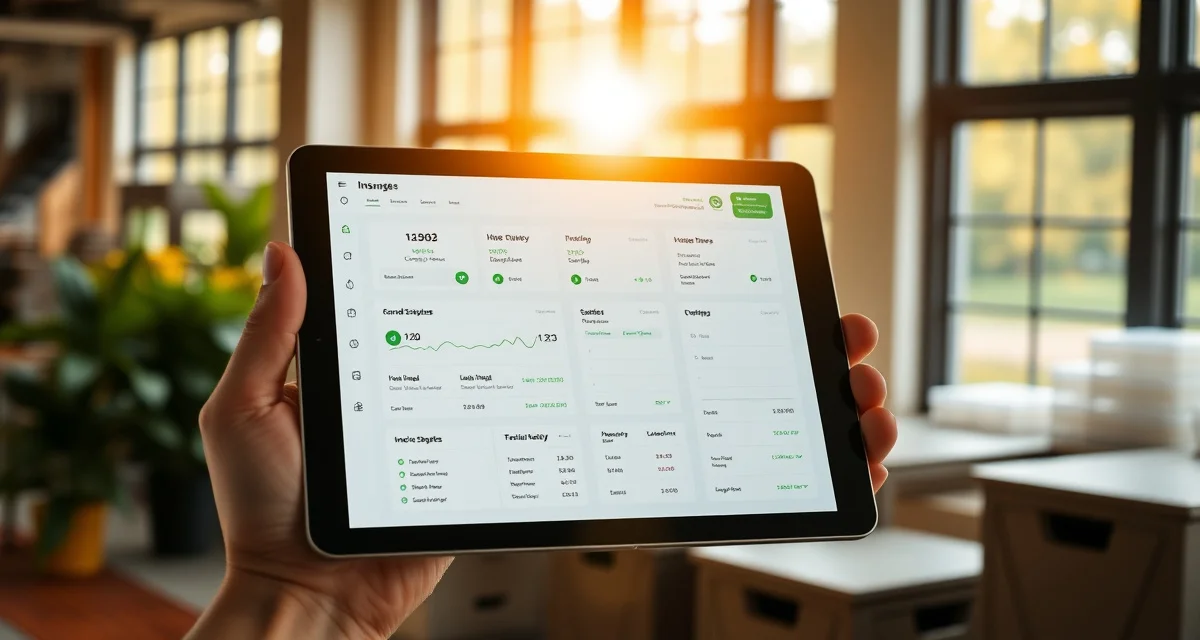
How PollenOps Helped a Berry Beekeeper End Invoice Disputes
A Pacific Northwest berry pollinator managing 300 hives across Oregon and Washington blueberry and cranberry contracts had four invoice disputes every season, without fail. Some involved contested hive counts. Others were about delivery timing, with growers claiming hives arrived after optimal bloom rather than before. One involved a payment dispute over a contract that had been signed verbally and never properly documented. Berry crop invoicing disputes average $4,500 each when they escalate to formal negotiation, and this operator was living that average annually.
After adopting PollenOps automated delivery reports in year one, disputes dropped to zero. Not fewer disputes. Zero. The change wasn't coincidental, and understanding why it worked matters for any commercial pollination operator who faces recurring invoice friction with growers.
TL;DR
- Almond pollination commands the highest per-hive rates ($185-220), followed by specialty tree fruit ($80-130), blueberry ($65-95), and vegetable crops ($40-90).
- Per-hive pricing should account for fuel costs, crew wages, and transport logistics that vary significantly by state and distance.
- Payment terms matter as much as rate: 30-day net on the second payment versus 14-day net changes cash flow meaningfully during peak season.
- Premium colony strength (8 frames vs. 6 frames) typically commands $15-25 per hive more for almond contracts.
- Operators who can demonstrate consistent quality through documented health records can justify premium pricing more easily than those without records.
What the Disputes Actually Looked Like
Dispute one, typical scenario: The beekeeper delivered 40 hives to a Willamette Valley blueberry operation. The grower's field crew counted 36 hives on their walk-through the next morning. The beekeeper had a handwritten driver sheet showing 40. The grower had an informal tally from a field employee who may have miscounted. There was no GPS record. The dispute settled at 38 hives, costing the operator $800 in invoice write-down plus several hours of negotiation.
Dispute two: A Washington cranberry grower claimed the hives arrived two days after the contracted delivery window, missing the optimal pre-bloom placement period. The beekeeper argued they arrived within the contracted period. Both sides had calendar records but no timestamped delivery proof. The contract included a reduced rate for late delivery, and the grower applied it. The operator contested but ultimately accepted a $1,200 deduction rather than pursue it further.
Disputes three and four followed similar patterns: missing or contested documentation, no independent verification of the facts, and resolution by negotiation from positions of symmetrical uncertainty.
The common thread was not fraud or bad faith from the growers. It was simply that the documentation system produced ambiguous records that two parties could interpret differently, and when that happened, the path of least resistance was a settlement that left both sides partially satisfied and fully frustrated.
Why Automated Reports Preempt Disputes
The PollenOps automated delivery report does something that manual documentation cannot: it creates a record that both parties receive simultaneously, without either party controlling it after the fact. When the driver completes a mobile check-in at the cranberry yard, PollenOps generates a report including:
- GPS coordinates of each hive cluster
- Timestamped photo of the delivered hives
- Driver-confirmed hive count
- Delivery time relative to contracted bloom window
- Comparison to contracted hive count and timing specification
This report is emailed to the grower contact within one hour of placement completion. The grower sees it before they've finished their coffee. They can pull up the GPS map of their own yard and verify that the hive clusters are where they were supposed to be. They can count the hives in the photo against the reported count. They have a timestamped record of when delivery occurred relative to the contracted timing.
When both parties have the same report in their inbox within an hour of delivery, the "your count versus my count" dispute never forms. The number is the number. If there's a discrepancy, it surfaces immediately rather than weeks later when both parties are relying on memory.
The Year One Outcome
In the first season with PollenOps, zero of the beekeeper's four typical annual disputes materialized. Three growers who received automated delivery reports immediately upon placement emailed back within a few hours confirming receipt and count. One grower who initially thought they saw a count discrepancy pulled up the grower portal on their phone while the driver was still nearby, reviewed the delivery record, and resolved the question on the spot.
The net revenue impact of eliminating four invoice disputes, each averaging $4,500 in contested amounts, was approximately $18,000 in recovered invoice value in year one. Against a PollenOps Pro subscription cost of $3,588 annually, that's a 5x return in the first season counting only the dispute-related savings.
The operator also reported a meaningful improvement in grower relationships. Two growers who had been friction-prone in prior seasons became significantly easier to work with once they had portal access and automated reports. The transparency of the system changed the dynamic from adversarial to collaborative, because both parties were working from the same records.
The Grower Response to Automated Reports
Grower reaction to receiving automated delivery reports within an hour of placement was almost uniformly positive, which the beekeeper hadn't fully anticipated. Several growers commented directly that they appreciated the professionalism. One large Washington blueberry grower mentioned the automated reports when renewing the contract the following season, citing it as a reason she was increasing her contracted hive count.
One grower's accounting department, which had historically been a source of invoice friction because they operated on a 45-day payment cycle, began processing invoices on 20-day cycles after receiving PollenOps reports with invoice documentation attached. The operator attributed this to the increased trust created by transparent delivery records.
The grower-facing pollination report feature in PollenOps is included in the Pro plan at no additional cost. Every grower interaction (delivery confirmation, bloom timing status, and invoice notification) runs through the same system, creating a communication history that both parties can reference.
What Was Done With the Formerly Disputed $18,000
The operator used the recovered revenue to cover the first year of two new full-time driver positions, expanding their capacity for the following season. The financial cushion created by dispute-free revenue collection made the hiring decision easier than it would have been in a dispute-normal season where $18,000 had evaporated into negotiation write-downs.
The operator's comment at the end of year one: "I should have known that giving growers access to the same records I had was the answer. The disputes weren't about the money. They were about trust. Once growers trusted the numbers, the disputes stopped."
Frequently Asked Questions
What specific reports did PollenOps auto-generate to prevent disputes?
PollenOps generated an automated delivery report within one hour of each hive placement. The report included GPS coordinates of each hive cluster, a timestamped photo showing the delivered hives, the driver's confirmed count, the delivery timestamp relative to the contracted bloom window, and a comparison to the contracted hive count and timing specification. The report was emailed to the grower contact automatically, without the beekeeper needing to manually prepare or send documentation.
How did growers respond to the automated delivery report system?
Grower response was overwhelmingly positive. Most growers appreciated the transparency and professionalism of receiving a timestamped delivery record within an hour of placement. Two growers who had been friction-prone in prior seasons became cooperative clients once they had portal access and automated reports. One grower cited the automated reporting system as a reason she increased her contracted hive count at renewal. An accounting department that had been slow-paying invoices began processing them significantly faster after receiving delivery documentation attached to invoices.
What was the net revenue impact of eliminating 4 invoice disputes per season?
The four typical annual disputes, averaging $4,500 each in contested amounts, had been costing the operator approximately $18,000 per year in invoice write-downs, negotiation time, and the opportunity cost of unresolved accounts receivable. Eliminating all four disputes in year one recovered that $18,000 against a PollenOps Pro cost of $3,588. The 5x return on software investment in year one counted only dispute-related savings; additional value from time savings and improved grower relationships added further return.
How should fuel costs be factored into pollination pricing?
At current diesel prices of $4.50-5.50 per gallon in California, a single truck run from Florida to California costs $3,500-5,000 in fuel alone, plus driver wages, insurance, and DOT compliance. This transport cost must be distributed across the hives on that truck to calculate the true break-even per-hive rate. Operators who do not explicitly account for transport costs in their pricing often discover that apparently profitable contracts are actually breakeven or worse after logistics expenses.
What premium can operations charge for documented premium colonies?
Documented premium colonies (8+ frames of bees with verified mite counts below threshold and recent health inspection records) typically command $15-25 per hive more than 6-frame minimum contracts. For a 1,000-hive operation, moving from 6-frame to 8-frame pricing on half the fleet adds $7,500-12,500 in revenue per almond season. The documentation requirement is what makes the premium credible; growers who have been burned by strength disputes are willing to pay for verifiable quality.
How do payment delays affect cash flow during peak season?
A 30-day net payment on the 50% removal payment means a beekeeper who delivers 1,000 hives at $200/hive in February and pulls them in late March does not receive the second $100,000 payment until late April. Meanwhile, diesel, crew wages, and truck costs for the next move occur in March and April. This timing gap is why negotiating 14-day net (or shorter) on the second payment matters for operations that carry significant per-season logistics costs.
Try These Free Tools
Sources
- USDA Agricultural Research Service
- Bee Informed Partnership
- American Beekeeping Federation (ABF)
- American Honey Producers Association
- Project Apis m.
Get Started with PollenOps
Understanding the true cost of every hive placement -- including transport, crew, and logistics -- is the foundation of profitable pricing. PollenOps helps you track per-hive economics across your full operation so pricing decisions are based on data rather than estimates.