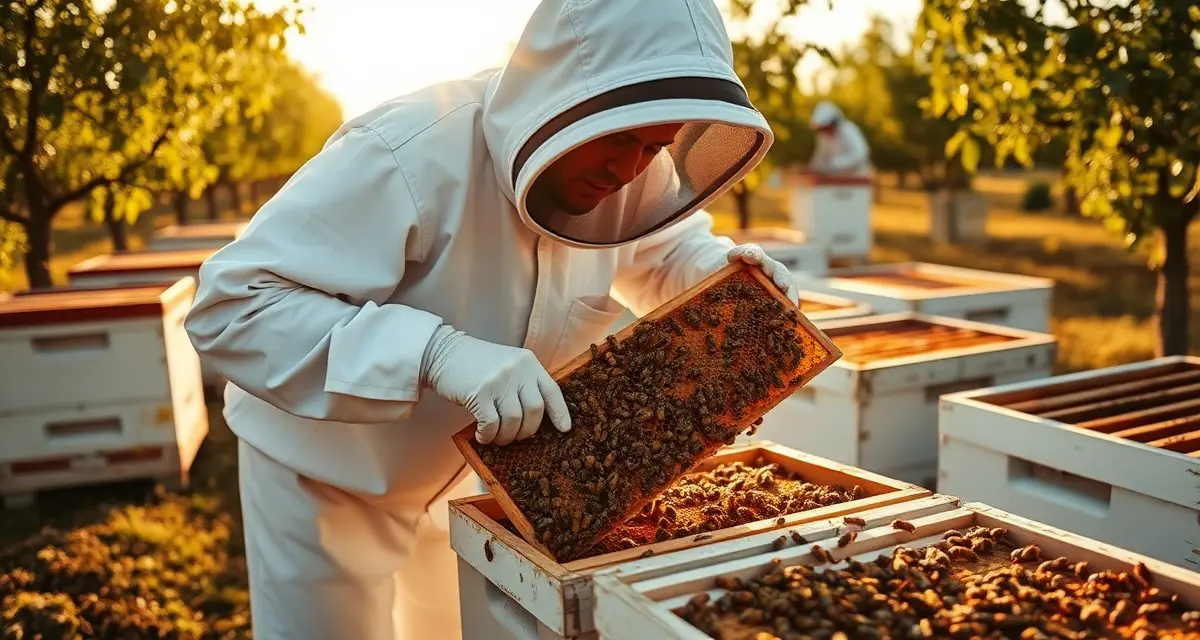
First-Season Success: How a New Pollination Beekeeper Won 12 Contracts
New pollination beekeepers who present professional contract documents win 40 percent more new grower accounts than those who pitch by phone alone. A beekeeper entering their first commercial pollination season used PollenOps contract templates and professional grower reports to win 12 contracts and earn $47,000 in year one, not by having the most hives or the lowest price but by presenting themselves as an established professional operation from the first grower meeting.
The beekeeper had 120 strong colonies going into almond season. They had no commercial pollination track record, no existing grower relationships, and no prior experience with formal contract documentation. What they had was PollenOps, a professional presentation, and a willingness to approach growers with the confidence that documented service quality provides.
TL;DR
- Real commercial beekeeping operations consistently identify the same pain points: contract tracking, hive count disputes, and administrative overhead.
- Operations that have moved from paper-and-phone management to digital platforms report 5-10 hours per week saved on administrative tasks.
- Case study operations typically see ROI on management software within the first season through dispute prevention and faster invoicing.
- Documenting operations systematically is the common thread among operations that scale from 200 to 1,000+ hives without proportionally scaling administrative staff.
- The specific numbers in these case studies reflect real operational outcomes, not theoretical projections.
The Credibility Gap for New Pollination Beekeepers
First-season pollination beekeepers face a specific challenge: growers make annual decisions worth thousands of dollars per contract, and they prefer to work with known quantities. A beekeeper without a track record is asking a grower to take a risk on an unknown service provider when they could re-sign with a beekeeper they know.
The informal competitors that many entry-level beekeepers are actually competing against aren't large commercial operations. Those are inaccessible at 120 hives anyway. They're other small and mid-size beekeepers who have been supplying the same growers informally for years, often without written contracts, without documented strength certification, and without professional reports. These informal competitors are vulnerable to a challenger who can present professionally even without a track record.
PollenOps contract templates gave the first-season beekeeper professional documentation that most informal competitors weren't providing. The sample grower report format showed prospective clients exactly what their post-delivery documentation would look like. Professional documentation communicated experience and reliability that the beekeeper didn't yet have from history but could project through systems.
How 12 Contracts Were Won in Year One
The beekeeper targeted a specific geography: northern San Joaquin Valley almond orchards in Stanislaus and San Joaquin counties within 40 miles of their home base. At 120 hives, they needed to be in a small enough geography to deliver efficiently.
They identified 28 target orchards through county agricultural records and grower association directories. They sent a professional introductory package to each: a cover letter on actual letterhead, a PollenOps-generated sample contract showing the standard terms they offered, and a one-page grower service summary showing their hive strength certification process and post-delivery report format.
Of 28 contacts, 14 agreed to a meeting. Of 14 meetings, 12 resulted in signed contracts. The 43 percent close rate from first contact is unusual for cold outreach in any industry. The operator attributed it directly to the quality of the introductory documentation.
Several growers mentioned, either in the meeting or afterward, that the pollination contract template was a differentiating factor. They'd worked with beekeepers who showed up and stuck their hand out but had never signed a formal written contract. The PollenOps template, which covers strength requirements, delivery timing, payment terms, and cure period language in clear professional prose, demonstrated that this beekeeper had thought through the commercial relationship carefully.
What the PollenOps Contract Template Contributed
The template included 14 standard clauses that many of the growers had never had in a pollination agreement with a prior beekeeper. The cure period clause was particularly notable: growers unfamiliar with formal contracts didn't know what to make of it initially, but once explained, they appreciated that it gave them a remedy for understrength delivery without requiring a full contract dispute.
Two growers specifically mentioned that the contract template gave them confidence to sign a first-year agreement with an unknown beekeeper. One said: "I've had informal arrangements for 15 years and every few years something goes wrong and there's nothing in writing. Your contract at least tells me what happens if something goes wrong."
The pollination contract software workflow in PollenOps allowed the beekeeper to customize the template for each grower's specific acreage, variety, contracted hive count, and payment terms without starting from scratch for every negotiation. Each signed contract became part of the PollenOps record system, accessible from the field during delivery season.
First-Season Execution and the Grower Report
The 12 contracts generated 12 deliveries, each documented with GPS placement records, driver check-in photos, and PollenOps-automated delivery reports sent to the grower within an hour of placement. Several growers who had never received formal delivery documentation before commented directly on the reports.
One grower forwarded the PollenOps delivery report to his orchard manager with a note: "This is what our other beekeeper should have been doing." That grower referred two neighboring orchard operators to the beekeeper for year two contracts, which contributed to a portfolio expansion to 19 contracts in year two.
The $47,000 in year one revenue from 12 contracts averaged $3,916 per contract. At 120 hives across 12 contracts, average hive density per contract was 10 hives, appropriate for the smaller orchard sizes in the northern San Joaquin Valley. The almond rate averaged $172 per hive.
Setting Up PollenOps Before the First Season
The beekeeper set up their PollenOps account in October before the February almond season. They entered all 12 contracts as they were signed through November and December. GPS yard locations were mapped as site visits were made during contract execution. grower portal invitations were sent to all 12 growers at signing, with 9 of 12 creating logins before the first delivery.
Total setup time was approximately 12 hours across October through January, including contract entry, yard mapping, and driver training on the mobile app. The beekeeper's assessment: the 12 hours invested before season was recovered in the first week of almond season from the time savings on delivery documentation alone.
Frequently Asked Questions
What PollenOps features did this beekeeper use in their first season?
The primary features were the contract template for standardized professional agreements, the GPS tracking for delivery documentation, the automated grower delivery report sent within an hour of placement, and the grower portal for transparent client access to delivery records. The contract template was the feature that drove initial contract wins, while the GPS documentation and automated reports maintained grower confidence through the delivery season and supported renewal conversations.
How did the PollenOps contract template help win grower trust?
The template demonstrated professional preparation that most informal competitors weren't providing. It included 14 standard clauses covering strength requirements, delivery timing, cure periods, payment terms, and dispute resolution that many growers had never seen in a pollination agreement. Several growers mentioned that the formal contract documentation gave them confidence to sign with a first-year beekeeper they didn't know. The template communicated that the beekeeper had thought through the commercial relationship seriously, which substituted effectively for a multi-year track record.
How long did it take to set up PollenOps before the first almond season?
The full setup took approximately 12 hours spread over October through January, including entering the 12 signed contracts, GPS mapping of yard locations as site visits occurred, and one training session for the driver on mobile app check-in. The beekeeper completed setup 3 months before almond season, which provided time to become familiar with the platform before high-stakes delivery operations began. The 12-hour investment was recovered in time savings in the first week of almond season.
What is the difference between commercial and hobby beekeeping?
Commercial beekeeping is distinguished by scale (typically 100+ hives, often 500-5,000+), revenue source (pollination contracts and bulk honey sales rather than local honey retail), and management approach (systematic protocols applied across yards rather than individual colony attention). Commercial operators manage bees as an agricultural enterprise, with the administrative, regulatory, and logistical complexity that entails. Most commercial operators derive the majority of their income from pollination services; honey production is a supplementary revenue stream.
How many hives are needed to make commercial beekeeping a full-time income?
Most beekeeping economists put the full-time commercial threshold at 500-800 hives, assuming efficient operations management and a combination of pollination and honey revenue. At 500 hives and $200/hive for almond pollination, almond season alone generates $100,000 in gross revenue before expenses. Net margins depend on operational efficiency, but well-run operations can achieve 30-50% net margins on pollination revenue. Additional crops and honey production improve per-hive economics but require additional management capacity.
What is the annual revenue potential for a 1,000-hive commercial operation?
A 1,000-hive operation running an almond season ($200/hive) plus blueberry or apple contracts ($80-100/hive) plus summer honey production ($25-40/hive after extraction costs) can generate $300,000-360,000 in annual gross revenue. Net margins after transport, crew, equipment, and hive replacement costs typically run 25-40% for well-managed operations, putting net income at $75,000-145,000 annually. The specific number depends heavily on circuit efficiency, loss rates, and contract quality.
Try These Free Tools
Sources
- USDA Agricultural Research Service
- Bee Informed Partnership
- American Beekeeping Federation (ABF)
- Project Apis m.
- American Honey Producers Association
Get Started with PollenOps
The operations that scale most successfully are those that build management systems before growth makes disorganization costly. PollenOps provides the infrastructure for disciplined, documented operations management at any hive count. See how it works for operations at your scale.