Hive Strength Requirements in Pollination Contracts
California almond contracts typically require a minimum of 6 frames of bees for contract compliance. That's the most commonly cited benchmark in the industry, but the number varies by crop, grower, and region. The gap between what your contract says and what actually arrives at the orchard is where disputes begin.
Hive strength requirements are one of the most negotiated and most contested clauses in pollination contracts. Getting them right, both in the contract language and in your pre-move documentation, protects your payment and your professional reputation.
TL;DR
- A well-written pollination contract covers hive strength requirements, payment terms, delivery/removal windows, pesticide liability, and dispute resolution.
- Standard payment structure is 50% on delivery and 50% on removal; push for no longer than 14-day net on the back half.
- Hive strength disputes are the most common source of non-payment; third-party inspection at delivery is the cleanest resolution.
- Pesticide kill provisions should require grower notification 24-48 hours before any application within foraging range of placed hives.
- Contracts signed by November have stronger pricing leverage than those negotiated in December or January.
What Growers Mean by Minimum Hive Strength
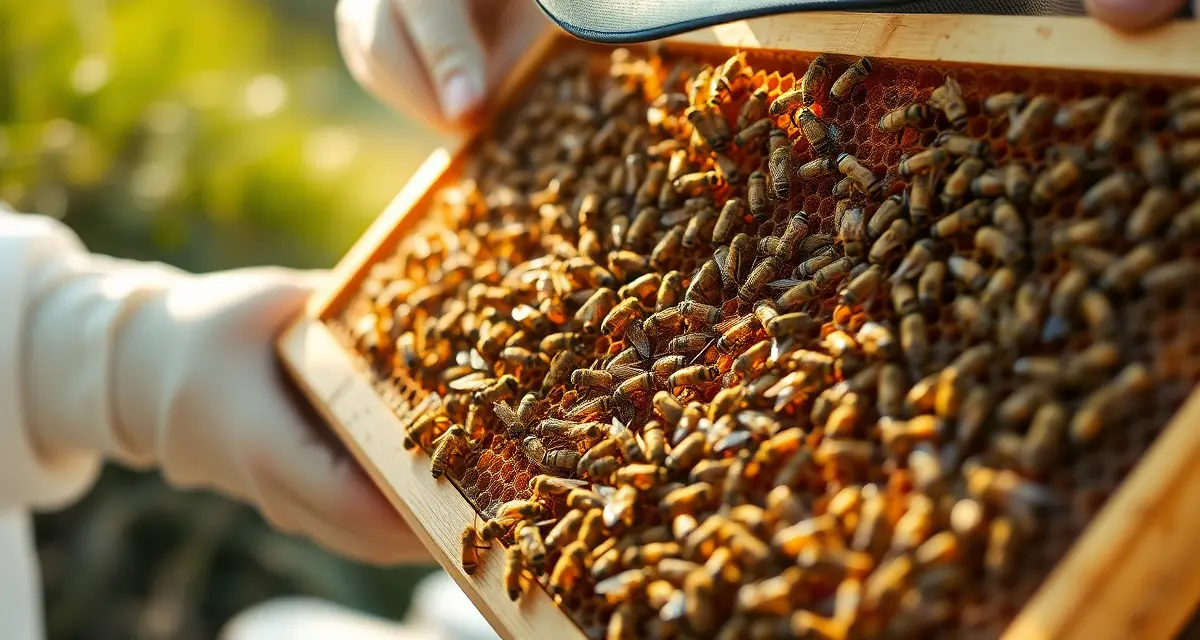
When a grower says they need "6-frame hives," they're referring to the number of frames covered with bees inside the brood box. A standard Langstroth deep frame occupied with bees across its full face counts as one frame of bees.
This is a live bee count, not just frames of comb. A colony that has drawn comb on 8 frames but only covers 5 with live bees doesn't meet a 6-frame minimum. The grower is measuring the working bee population available for pollination.
Most contracts specify this as a minimum at delivery. The grower (or their representative) may conduct a spot-check inspection on arrival to verify. If your hives don't meet the minimum, you're in breach of contract, which means the grower has grounds to reduce payment, request replacements, or in some cases terminate the contract.
Beyond frame count, some contracts also specify:
Minimum brood frames. Evidence of a laying queen and colony health. Typically 2-4 frames of open and capped brood.
Queen requirement. Many contracts require a laying queen to be present and documented. A queenless colony at the time of placement doesn't contribute effective foraging population.
Age distribution. Some sophisticated growers specify that forager-age bees (three weeks or older) must constitute a meaningful percentage of the colony. This is hard to assess visually and less commonly enforced, but worth being aware of.
How to Assess Hive Strength Before a Contract Placement
No competitor connects hive strength assessment results directly to contract compliance records. PollenOps pre-move strength checklist auto-populates the contract compliance report for each yard, so your assessment isn't just a record for your files. It's directly linked to your contract documentation.
Step 1: Pull Frames and Count
Open the hive and visually assess each frame from front to back. Count frames with bees covering 80% or more of the face as full frames. Frames with bees covering 50-79% count as partial (most beekeepers count two partials as one full frame for assessment purposes).
Record your count immediately. Don't try to remember across multiple hives.
Step 2: Assess Brood Pattern
While you have frames out, check the brood pattern. Look for solid capped brood with minimal empty cells. A spotty or irregular brood pattern can indicate disease, queen problems, or nutritional deficiencies that will affect the colony's performance at the site.
Step 3: Confirm Queen Presence
Look for the queen or for fresh eggs. Eggs in cells that are standing upright indicate laying within the last 72 hours. A colony with eggs but no visible queen is likely queenright. A colony with no eggs and no queen needs attention before it's contract-worthy.
Step 4: Record in PollenOps
Enter your strength assessment in the PollenOps pre-move checklist for each hive. The system flags any hive that falls below the contract minimum strength. You see before loading which hives are compliant and which need to be replaced or built up.
Step 5: Document with Photos
Photograph two or three representative frames showing bee coverage and brood pattern. Attach these to the assessment record in PollenOps. This photo documentation becomes part of your delivery evidence if a grower later claims hives were understrength on arrival.
What Happens If Hives Don't Meet Strength Requirements at Delivery
This is where having a clear contract clause matters enormously. Your contract should specify the remedy process for understrength hives.
Replacement window. A common provision: the beekeeper has 48-72 hours to replace understrength hives with compliant ones. If replacement isn't possible within that window, the grower may accept reduced payment for the shortfall.
Partial payment adjustment. Some contracts specify a prorated payment for hives that arrive below minimum but above a threshold (e.g., 4-5 frames vs the 6-frame minimum).
Wholesale rejection. Contracts that allow rejection of all hives if a certain percentage fail inspection are uncommon but do exist. Know what your contract says before you load the truck.
If you're using PollenOps, you're much less likely to face this situation, because your hive count verification process catches understrength hives before loading. The pre-move checklist is your insurance policy.
See also contract compliance documentation for how delivery records protect you if a grower makes a post-delivery strength claim.
Negotiating Hive Strength Requirements
Some beekeepers accept the default strength requirement in a grower's contract template without negotiating it. This is a mistake if the stated minimum is higher than what's industry-standard for that crop.
Standard strength requirements by crop type (these are general guidelines; local standards vary):
| Crop | Typical Minimum | Notes |
|---|---|---|
| Almonds | 5-6 frames of bees | California CDFA recommends 6 frames |
| Apples | 4-6 frames of bees | Varies by region and orchard density |
| Cherries | 5-7 frames of bees | Sweet cherries on the higher end |
| Blueberries | 4-6 frames of bees | Highbush on higher end |
| Watermelon/Squash | 4-5 frames of bees | Native bee credit sometimes allowed |
| Cranberries | 4-5 frames of bees | Bog placements use lower end |
If a grower specifies a minimum significantly above standard for that crop, negotiate. Ask for their reasoning. Often it's boilerplate from a template they've used for years, not a scientifically derived number.
Protecting Yourself When Minimum Requirements Can't Be Met
Weather events, disease pressure, and unexpected colony losses can compromise hive strength between your assessment and delivery. Here's how to protect yourself:
Assess as close to delivery as possible. Assessing three weeks before delivery gives colonies time to deteriorate. Assess within 48-72 hours of loading when practical.
Build in a buffer. If your contract requires 6-frame minimums, set your personal pre-move threshold at 7 frames. Colonies that barely meet the minimum at assessment may fall just below it by delivery time.
Communicate early. If you know you'll be short on qualifying hives, contact the grower before delivery, not on the day. Growers are far more receptive to proactive communication than to discovering a problem on arrival.
Document everything. Even if you can't deliver compliant hives, having a documented pre-move assessment showing what you found protects you from exaggerated claims of what arrived.
FAQ
What is the minimum hive strength for most pollination contracts?
The most common minimum across major pollination crops is 5-6 frames of bees, with California almond contracts typically requiring 6 frames. Strength requirements vary by crop, with cherry contracts sometimes requiring 7 frames and some row crop contracts accepting 4. Always check your specific contract terms. Don't assume a standard applies. For crops where you're unfamiliar with local norms, contact your state beekeeping association for current regional expectations.
How do I assess hive strength before a contract placement?
Open the hive and count frames with 80% or more bee coverage as full frames. Count frames of solid capped brood and confirm queen presence (eggs or visible laying queen). Record your count in PollenOps, which flags hives below your contract minimum and auto-populates your compliance report. Photograph representative frames for each load. Complete assessments within 48-72 hours of loading to minimize the gap between your assessment record and actual delivery condition.
What happens if my hives don't meet strength requirements at delivery?
What happens depends on your contract. Most contracts allow a replacement window of 24-72 hours for the beekeeper to swap understrength hives for compliant ones. Some contracts specify prorated payment for hives that arrive below minimum. Contracts that allow wholesale rejection are less common but exist. The best protection is a PollenOps pre-move assessment that catches understrength hives before loading, so you're replacing them before delivery rather than explaining yourself to a grower at the orchard gate.
What are the most common clauses in a commercial pollination contract?
A standard commercial pollination contract covers: hive strength minimums at delivery, payment terms (typically 50% on delivery, 50% on removal), delivery and removal dates, pesticide notification requirements, liability provisions for colony losses, truck access and yard location details, and dispute resolution procedures. Force majeure clauses addressing crop failure and operator inability to deliver the full hive count are also standard in well-written contracts.
How should pesticide liability be addressed in pollination contracts?
The contract should require growers to notify operators at least 24-48 hours before any pesticide application within foraging range (2-3 miles), specify the operator's right to remove hives immediately upon notification, and define liability for documented colony losses attributable to pesticide exposure. Without this clause, recovering compensation for pesticide kills requires proving causation after the fact, which requires lab testing, communication records, and timestamped photos of dead bees collected before cleanup.
What is a typical contract renewal strategy for commercial beekeepers?
Most successful commercial operators begin renewal conversations with existing growers in July, confirming the coming season's hive count and rate before new grower outreach. Existing grower relationships command better pricing stability than new contracts and require less pre-season sales effort. Sending growers a season-end report documenting hive placements and colony performance reinforces the relationship and creates a natural opening for renewal discussion.
Try These Free Tools
Sources
- USDA Agricultural Research Service
- Bee Informed Partnership
- American Beekeeping Federation (ABF)
- American Honey Producers Association
- Project Apis m.
Strength Documentation Pays
Every pre-move assessment you complete and record is an asset. It's evidence of your professional standard, your commitment to contract compliance, and your delivery history. Over time, that documentation builds a performance record that supports rate increases and renewal conversations.
Get Started with PollenOps
Managing pollination contracts across multiple growers and crops is where most commercial operations have the most to gain from better systems. PollenOps centralizes contract lifecycle management from initial quote through signed agreement, delivery documentation, and final invoice. Try it for your next season.