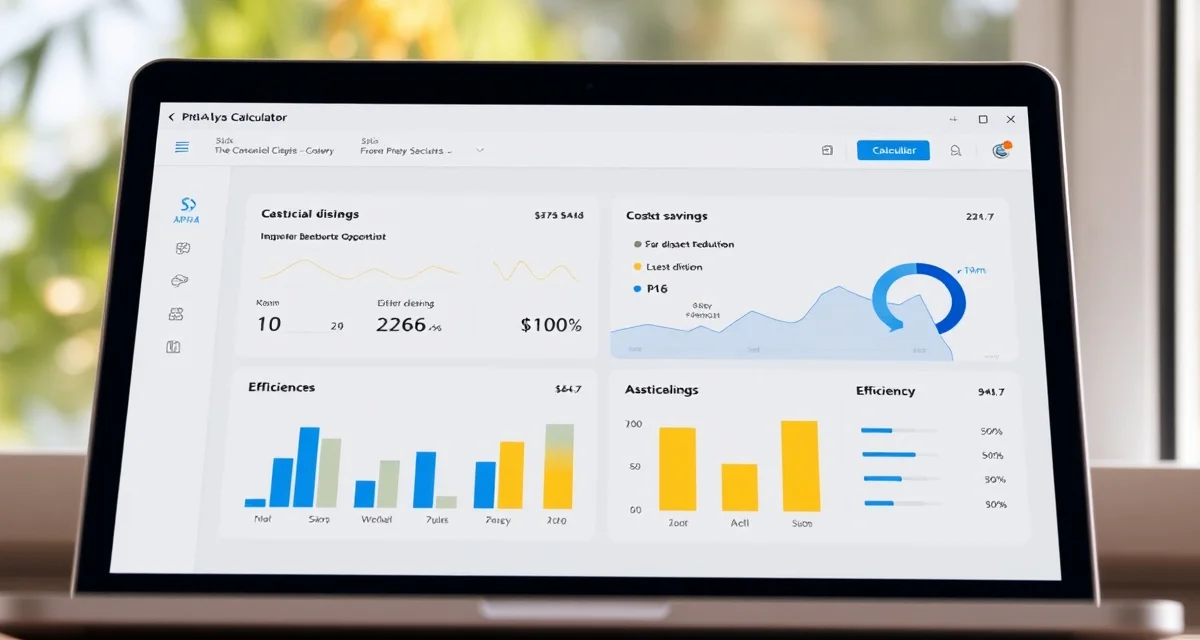
Pollination Software ROI Calculator
Commercial beekeepers who adopt contract management software save an average of $12,000 per season in disputes and errors. That figure comes from the combined value of avoided invoice disputes, recovered billing errors, reduced delivery inefficiency, and time savings on administrative work that beekeepers in manual systems spend doing during or after the delivery season.
The PollenOps ROI calculator lets you input your operation's specifics (hive count, contract volume, current management method) and see your estimated return from the platform. The average payback period for PollenOps is less than 6 weeks of avoided administrative cost alone, before accounting for avoided disputes or recovered billing.
TL;DR
- Commercial beekeeping operations that manage contracts on spreadsheets and phone calls spend 5-10 hours per week on administrative tasks that software handles automatically.
- Purpose-built beekeeping software centralizes contract lifecycle management, yard records, health documentation, and fleet logistics in one platform.
- The primary ROI drivers for operations software are fewer contract disputes, faster invoicing, and reduced time spent on administrative coordination.
- PollenOps is built specifically for commercial-scale pollination operations; it is not a hobbyist platform adapted for commercial use.
- Moving from spreadsheets to dedicated software typically pays for itself within one season in time savings and dispute prevention.
What the ROI Calculation Covers
The calculator uses five input variables to estimate your operation's annual return:
Hive count: More hives means more contracts, more delivery events, and more administrative volume. The efficiency gain from software scales with operation size.
Contract count per season: The number of separate grower contracts you manage annually. A 20-contract operation has 20 delivery events, 20 invoices, 20 sets of grower communication, and 20 compliance documentation requirements. Each of these generates time and error risk that software addresses.
Average per-hive rate: Used to calculate the value at risk in a disputed invoice. A single disputed almond contract at $200 per hive for 100 hives has $20,000 at stake.
Current management method: Spreadsheet, paper, or another tool. The baseline efficiency level affects how much improvement software provides.
Administrative hours per week during season: Your estimate of how many hours you spend on paperwork, invoicing, and communication during peak season. The calculator converts this to a dollar cost at a reasonable hourly rate for skilled administrative work.
Sample ROI Calculations
Small operation (50 hives, 8 contracts, $90 average):
- Annual contract revenue: $36,000 to $54,000 depending on crops
- PollenOps small plan cost: $588 per year
- Estimated time savings: 4 hours per week during 6-week season = 24 hours
- At $35 per hour administrative value: $840 in time savings
- Avoided billing error risk on 8 invoices: Estimated $500 to $1,000 in recovered accuracy
- Total estimated annual benefit: $1,340 to $1,840
- Net ROI after subscription cost: $752 to $1,252 (128% to 213% return)
Mid-size operation (200 hives, 15 contracts, $150 average):
- Annual contract revenue: $180,000 to $270,000
- PollenOps commercial plan cost: $1,068 per year
- Estimated time savings: 8 hours per week during 8-week season = 64 hours
- At $50 per hour administrative value: $3,200 in time savings
- Avoided dispute risk (15 contracts x $2,000 average dispute value x 10% dispute rate): $3,000
- Recovered billing errors and invoicing efficiency: $1,500
- Total estimated annual benefit: $7,700
- Net ROI after subscription cost: $6,632 (621% return)
Large operation (500 hives, 40 contracts, $200 average almond):
- Annual contract revenue: $400,000 to $600,000+
- PollenOps commercial plan cost: $1,068 per year
- Estimated time savings: 20 hours per week during 10-week season = 200 hours
- At $60 per hour administrative value: $12,000 in time savings
- Avoided dispute risk (40 contracts x $5,000 average almond dispute value x 15% rate): $30,000
- Total estimated annual benefit: $42,000+
- Net ROI after subscription cost: $40,932+ (3,834% return)
The Payback Period Calculation
The payback period is simpler than the full ROI calculation: how long does it take for the benefits of PollenOps to exceed the subscription cost?
For most commercial operations, the payback comes from a single avoided outcome within the first season: one avoided invoice dispute, one prevented delivery error, or one billing mistake caught before it became a grower complaint. Any of these events individually is likely worth more than the full year's subscription cost.
The 6-week average payback period assumes that the average operation avoids one significant administrative error worth $1,000 or more in the first 6 weeks of use. For almond-season operators, this typically happens during the February delivery window.
Using the Calculator
The interactive ROI calculator is available in your PollenOps dashboard and on the product website. Enter your operation's specifics in the input fields and the calculator returns your estimated time savings, dispute risk reduction, and billing accuracy value, broken out by category.
The calculator uses conservative estimates by default, with dispute probability and error rates from the lower end of observed commercial beekeeper outcomes. If you believe your current operation has higher dispute exposure or higher administrative overhead than average, adjust the inputs to match your actual experience.
For the full pricing breakdown for both plan tiers, see pollenops pricing. For the full platform overview, see pollination contract software.
Frequently Asked Questions
How do I calculate the ROI of pollination management software?
Start with the categories of benefit: time savings (hours per week saved during season multiplied by your administrative labor cost), avoided disputes (number of contracts times dispute probability times average dispute value), and billing accuracy (invoices issued times error rate times average error value). Then subtract the annual subscription cost. For most mid-size commercial operations, the time savings category alone exceeds the subscription cost within the first season. Dispute avoidance, which is harder to measure but potentially larger in value, adds significantly to the return. The PollenOps ROI calculator walks through each input field and shows you the estimated value by category rather than requiring you to build the calculation from scratch.
What is the average payback period for PollenOps?
The average payback period across PollenOps customers is less than 6 weeks of avoided administrative cost. For most operations, this means payback occurs during the first major delivery season after subscribing. That is typically the almond season for California-focused operators, or the first multi-contract delivery window for operators in other markets. Operations with higher contract volume and higher per-hive rates reach payback faster because the value at risk in a single dispute or billing error is larger relative to the subscription cost. Small operations with fewer contracts and lower rates take slightly longer to reach payback, but the 14-day trial period allows you to evaluate the product before the subscription cost begins.
How much time does PollenOps save per week for a 500-hive operation?
A 500-hive operation running 40 contracts across multiple crops and states typically saves 15 to 25 hours per week during peak delivery season compared to manual management with spreadsheets and email. The time savings come from: automated bloom timing alerts replacing manual calendar monitoring (3 to 5 hours per week), driver coordination through the app replacing phone calls and text dispatching (4 to 6 hours per week), automated invoice generation replacing manual invoice building (2 to 4 hours per week), and grower portal updates replacing individual status email responses (2 to 4 hours per week). Total savings across a 10-week heavy season run 150 to 250 hours. At a conservative $50 per hour for skilled administrative time, the time value savings alone run $7,500 to $12,500.
What does purpose-built commercial beekeeping software do that a spreadsheet cannot?
Dedicated software connects data across your operation in ways spreadsheets cannot: a contract record links to the specific hives assigned to it, which links to the yard location, which links to health inspection records and treatment logs. When a grower calls to dispute a hive count, you can pull the delivery record, timestamped photos, and GPS-confirmed location in 30 seconds rather than searching three spreadsheets and an email thread. This integration is where the time savings and dispute-prevention value comes from.
How long does it take to migrate from spreadsheets to beekeeping software?
Most commercial operators complete the core migration in 2-4 weeks, starting with current contract records and active yard locations. Historical data (past seasons' inspection records, old contracts) can be migrated over time rather than all at once. The practical recommendation is to start with the current season's live data and add historical records as time allows. The operational improvement from having current data in the system is immediate; the historical data adds analytical depth over subsequent seasons.
Is there a free trial available for PollenOps?
Contact PollenOps directly to confirm current trial and demo options. Most commercial operators benefit from a walkthrough of the contract management and yard tracking modules against their own operation's data before committing, since the fit between the platform and your specific circuit and crop mix is the most important evaluation factor.
Try These Free Tools
Sources
- USDA Agricultural Research Service
- Bee Informed Partnership
- American Beekeeping Federation (ABF)
- American Honey Producers Association
- Project Apis m.
Get Started with PollenOps
Commercial beekeeping operations that move from spreadsheets to purpose-built software consistently report fewer disputes, faster invoicing, and less time on administrative work during peak season. PollenOps is built specifically for commercial-scale pollination operations. See how the platform fits your operation.