How PollenOps Helped One Beekeeper Retain 95% of Grower Clients Year Over Year
Retaining a single large almond grower is worth $12,000 to $60,000 per season depending on acreage. A Central Valley beekeeper with 24 active grower relationships uses PollenOps to track grower performance history across seasons and achieves 95 percent client retention by identifying at-risk accounts before renewal season begins. This isn't about being a good communicator by nature. It's about having a system that tells you which accounts need attention before the grower is already shopping for a replacement.
The beekeeper's retention rate before PollenOps was around 70 percent. That meant losing 7 or 8 accounts per year and spending significant time and energy filling those gaps with new business. At 95 percent retention, they lose 1 or 2 accounts per year and spend their winter doing pre-season preparation rather than cold outreach to replace departed clients.
TL;DR
- Growers prioritize reliability, documentation, and consistent colony quality when selecting pollination service providers.
- Operators who deliver the contracted hive count on the agreed date with documented colony strength build the trust that drives multi-season relationships.
- Grower-facing reports showing hive placement and colony strength records are a practical differentiator for operators competing on service quality.
- Most grower disputes originate from hive count, strength, or payment term disagreements that could be prevented with clearer written contracts.
- Multi-year grower relationships generate more stable revenue per hive than spot-market placements and reduce pre-season sales effort.
Why Growers Leave Without Warning
Growers rarely leave a beekeeper after a single incident. They leave after a pattern of small frustrations accumulates to the point where switching feels less risky than continuing. The pattern usually looks like: a late delivery, then a count question that took two weeks to resolve, then an invoice that came in a different format than expected, then a communication gap during bloom. None of these individually is a contract-ending event. Together, they create a grower who is mentally prepared to take the next call from a competing beekeeper.
The problem for most beekeepers is that this pattern is invisible in real time. You don't know a grower is accumulating frustrations because they're not telling you. They're just noting it internally and waiting. By the time a grower declines to renew, it's too late to address the underlying concerns because they've already made their decision.
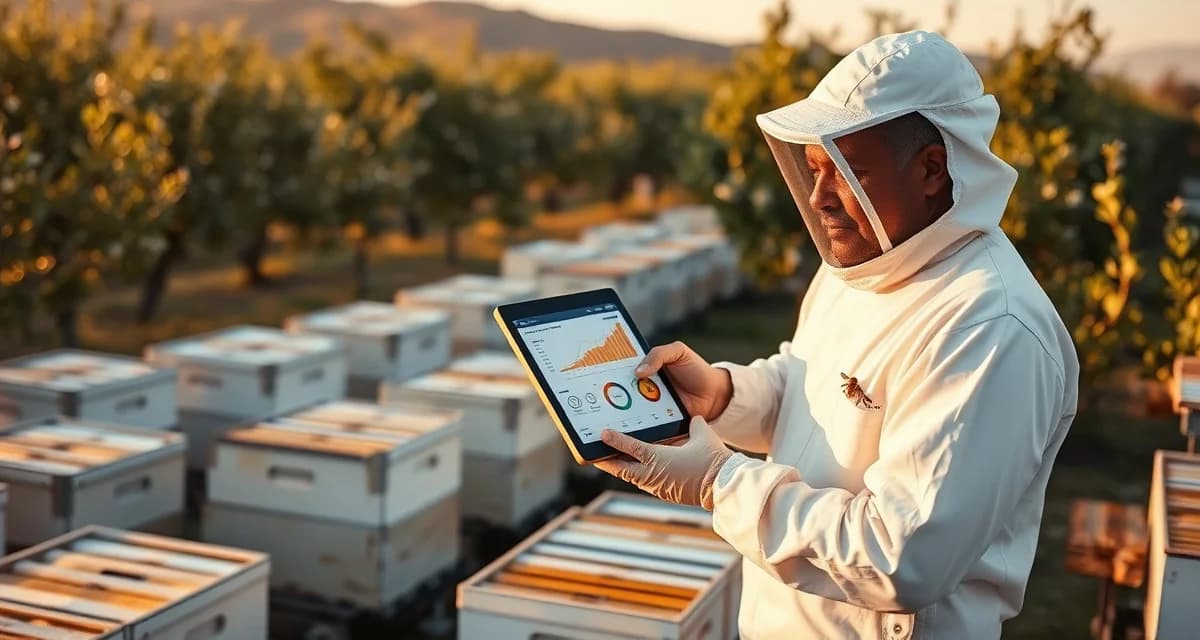
PollenOps grower performance tracking captures the documented history of every interaction in a format that the beekeeper can review systematically before renewal season. It's not about tracking every phone call; it's about having a record that shows which accounts had friction events and flagging them for proactive attention.
The Grower Performance Score in Practice
The PollenOps grower performance score is a weighted assessment of account history that factors in: delivery compliance (were contracted counts and timing met), invoice payment velocity (how quickly the grower paid invoices), documented disputes or complaint events, and communication patterns from the grower portal log.
Accounts with below-threshold performance scores from the prior season show up in a flagged list when the beekeeper opens their renewal dashboard. The flag doesn't mean the grower is definitely leaving. It means the account had friction events that could be accumulating toward a departure decision, and the beekeeper should reach out proactively.
For the 24-account portfolio in this case study, the beekeeper reviews the performance score dashboard in September, two to three months before renewal conversations typically begin for the January-February almond season. Any account with a performance score below threshold gets added to an early outreach list.
In a typical year, 4 to 6 accounts show flagged scores. The beekeeper calls or visits each one in October. The conversation isn't about apologizing for the prior year. It's about asking how the season went from their perspective and what would make the service better next year. This signals attentiveness and creates an opportunity to address concerns before they solidify into departure decisions.
What Happens During the Retention Conversation
The beekeeper-grower relationship management tools in PollenOps give the beekeeper specific talking points for each flagged account's outreach. If a delivery was documented as 12 hours late relative to the contracted window, the beekeeper can acknowledge it specifically: "I saw from our delivery record that we came in later than contracted on the Orchard A delivery this year. Here's what I'm changing to make sure that doesn't happen again."
Growers who receive this kind of specific, documented acknowledgment respond very differently than to a generic "how are things going" call. The specificity tells them you have real knowledge of what happened, not just a vague awareness that the season had some issues. It demonstrates that you're taking their business seriously enough to review the details.
In the beekeeper's experience, about 70 percent of flagged accounts that receive proactive October outreach renew without further concern. The remaining 30 percent have concerns that require a more substantive conversation or service commitment for the upcoming season, such as a higher per-hive rate for the grower's new high-density block, or an adjustment to the delivery timing window. Having these conversations in October means there's time to negotiate rather than scrambling in December when both sides are under time pressure.
The Financial Impact of Going From 70% to 95% Retention
Moving from 70 to 95 percent annual retention for a 24-account portfolio means the difference between losing 7 to 8 accounts per year and losing 1 to 2. The average contract value in this portfolio is $22,000. Retaining 6 additional accounts that would have departed at 70 percent retention represents $132,000 in preserved annual revenue.
That $132,000 comparison against the cost of PollenOps Pro at $3,588 annually is not a subtle ROI. Even if the retention improvement were only half of what the beekeeper attributes to PollenOps (if 3 additional accounts were retained rather than 6), the value captured is still 18x the software cost.
The second financial dimension is new account acquisition cost avoidance. Replacing a departed account typically requires 3 to 5 new grower prospects to close one contract, at significant time and outreach cost. Operating at 95 percent retention means spending that winter time on production preparation rather than business development.
Building the Retention System Into the Annual Rhythm
The beekeeper's annual retention workflow in PollenOps follows a consistent schedule:
September: Review grower performance scores. Flag accounts below threshold.
October: Proactive outreach to all flagged accounts. Address concerns identified in the performance review.
November: Renewal conversations with all accounts, starting with the largest revenue accounts. Share upcoming season service commitments.
December: Signed renewals and new contracts entered into PollenOps. Grower portal access confirmed current for all renewing accounts.
This rhythm means the beekeeper enters every almond season with their contract portfolio fully confirmed before December, which allows winter hive preparation time to focus on hive building rather than account management.
Frequently Asked Questions
How does PollenOps help identify growers who might not renew?
PollenOps grower performance scores track the history of each account including delivery compliance, invoice payment timing, documented dispute events, and communication patterns. Accounts that fall below threshold show up in a flagged list in the renewal dashboard. The beekeeper reviews this list in September and prioritizes outreach to flagged accounts in October, before renewal conversations formally begin. This proactive approach allows the beekeeper to address concerns while there's still time to retain the account rather than learning about them when the grower declines to renew.
What data goes into a grower performance score in PollenOps?
The performance score weighs delivery compliance (contracted count and timing met vs. missed), invoice payment velocity (how quickly the grower paid invoices relative to terms), documented dispute events from the contract and communication log, and grower portal engagement patterns. Accounts with late payments, documented delivery concerns, or dispute history score lower than accounts with clean records. The composite score gives the beekeeper an objective basis for prioritizing retention attention rather than relying on gut feel about which accounts feel at risk.
How early before renewal season should I start reviewing grower performance data?
September is the right time for a 24-account portfolio with January-February almond season renewals. That gives two to three months for: performance review in September, proactive outreach to flagged accounts in October, substantive renewal conversations in November, and contract execution in December. Earlier review isn't better because the current season's data isn't complete in August. Later review compresses the time available for meaningful retention conversations before both sides are under pre-season time pressure.
What do growers look for when evaluating a pollination service provider?
Growers prioritize reliability, documentation, and consistent colony quality. An operator who delivers the contracted hive count on the agreed date with documented colony strength meeting the contract standard builds the trust that leads to multi-season relationships. Growers also value operators who communicate proactively: notifying about delivery timing, responding quickly to questions, and providing placement confirmation when hives are in position. Professional invoicing and organized records signal that an operation can handle commercial-scale work.
How do growers verify hive count and strength at delivery?
Methods range from visual inspection by the grower or farm manager to third-party inspection by a certified apiary inspector or university extension service. Large corporate grower operations often employ agricultural consultants to assess hive strength at delivery. Third-party inspection provides the most defensible standard for both parties. Operators who are confident in their colonies should welcome third-party verification in writing, since it protects against unfounded claims as well as confirming compliance.
How can beekeepers improve grower retention rates?
The most effective retention strategies combine consistent delivery performance with professional communication and documentation. Growers who receive a placement confirmation with hive count and GPS yard location, a mid-season check-in, and a season-end report are far more likely to renew than those who experience the operator only at drop-off and pickup. A grower portal that lets growers view placement status and hive documentation without calling the operator reduces friction and builds confidence in the service.
Try These Free Tools
Sources
- USDA Agricultural Research Service
- Bee Informed Partnership
- American Beekeeping Federation (ABF)
- American Honey Producers Association
- Almond Board of California
Get Started with PollenOps
Growers who receive professional, documented reports of hive placement and colony strength are more likely to renew contracts and refer new business. PollenOps makes grower communication and reporting straightforward, generating placement confirmations and documentation directly from your operational data.