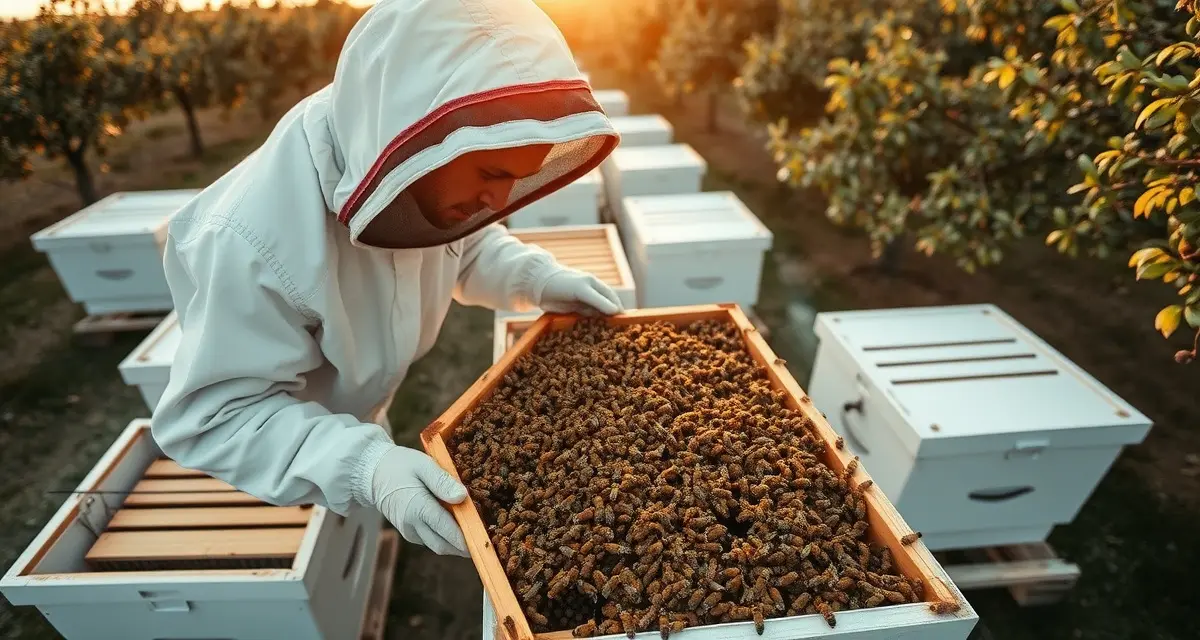
Building Your California Almond Pollination Network
Long-term grower relationships built over 5+ seasons command 15-25% above-market rates, and California Farm Bureau and Almond Board events are the best networking venues for new operators. The PollenOps Grower Marketplace addresses the discovery problem directly. Building your own California almond network through direct relationships is the highest-value long-term investment a commercial beekeeper can make.
TL;DR
- California's primary commercial beekeeping role is shaped by its crop mix, climate, and position on the national pollination circuit.
- Pollination rates in California range $65-220/hive depending on crop depending on crop and colony strength requirements.
- Out-of-state operators entering California for pollination contracts must register with the state agricultural authority and obtain a Certificate of Health.
- California functions as either a primary pollination destination, a seasonal honey production location, or a transitional stop depending on the circuit.
- Tracking permit status, registration documents, and yard records for California operations requires organized record-keeping before the season opens.
Why Your Network Is Your Competitive Advantage
In the California almond market, the operators who earn the best rates and face the least bidding competition are those with established, trusted grower relationships. A grower who has worked with you for eight years, received timely delivery documentation, experienced no payment disputes, and seen consistent colony quality isn't going to switch to an unknown operator for a small price difference.
Network = pricing power + contract security + lower customer acquisition cost.
Operators who built California almond networks in the 2000s and 2010s were able to grow revenue significantly as rates rose, because their relationship-driven contracts kept pace with market rates while new entrants competed on price to get in the door.
California Farm Bureau: The Primary Entry Venue
The California Farm Bureau Federation and its county-level Farm Bureaus are the most effective institutional access point for California almond growers.
State-level events: Farm Bureau annual conferences bring growers from across the state together. Beekeeper presence at state Farm Bureau events creates awareness among growers from multiple counties.
County Farm Bureau chapters: Fresno County Farm Bureau, Kern County Farm Bureau, Tulare County Farm Bureau, and other almond-producing county chapters have regular member meetings and events. These are smaller-scale and more personal, the right venue for a new operator to meet specific growers and have direct conversations.
Farm Bureau member directories: County Farm Bureau directories can provide grower contact information as a cold outreach starting point.
Almond Board of California Events
The Almond Board of California hosts research and education programs that attract progressive almond growers. Beekeeper presence at Almond Board events signals professional engagement with the industry.
Almond Conference: The annual Almond Conference in Sacramento (typically December) is one of the best venues for almond grower networking. Sessions on bee health, pollination management, and industry trends attract growers who are engaged with the pollination side of their business.
Field days and research events: The Almond Board hosts field days, research farm visits, and regional grower events throughout the year. These smaller events create direct access to specific growers.
Bring business cards, colony health documentation, and a clear elevator pitch about what you offer: the specific operational advantages that make you the right pollination partner.
University Extension: A Trusted Introduction Channel
UC Cooperative Extension: UC Farm Advisors in the major almond counties (Fresno, Kern, Tulare, Stanislaus) work with growers regularly and understand the pollination market. UC Farm Advisors can facilitate introductions between new operators and growers who need reliable pollination partners.
UC Davis Honey Bee Research Lab: The UC Davis bee research program has relationships with the almond industry. Researchers and graduate students connected to almond-bee interaction research interact with both beekeeper and grower communities.
Connecting with the UC Cooperative Extension office in your target county (Fresno, Kern, or Tulare) and introducing yourself as an operator seeking grower relationships is a legitimate and respected approach.
The PollenOps Grower Marketplace
PollenOps' Grower Marketplace provides a discovery channel for operators to connect with growers seeking pollination services, and for growers seeking operators.
The Marketplace works best as a complement to relationship-building, not a replacement for it. Using the Marketplace to establish initial contact with growers who are actively seeking services, then converting those initial contacts into personal relationships, is the highest-value use of the tool.
For new operators without California relationships, the Marketplace provides a first point of contact that would otherwise require cold outreach or conference attendance.
The how to get pollination contracts guide covers the full new contract acquisition process.
Direct Outreach: What Works
Direct grower outreach (calling or visiting growers without an introduction) can work, but cold outreach success rates are low and improvement comes with iteration.
What increases cold outreach conversion:
- Reference to a specific connection ("I spoke with your UC Farm Advisor, Greg Martinez, who suggested I reach out")
- Documentation package: your operation's hive count, strength data from previous seasons, references from current growers
- Specific capacity availability: "I have 400 hives available for the 2026 almond season. I'm looking to place 100-150 hives in your area"
- Timing: reach out in August-October for next February, not in January
What doesn't work: Generic "I have bees" outreach without documentation, references, or specific capacity offers. Growers in the core almond counties get many unsolicited calls from operators; specificity and professionalism differentiate.
Frequently Asked Questions
How do you meet California almond growers for the first time?
The most effective first meetings happen at structured venues: California Farm Bureau county chapter events, Almond Board of California conferences and field days, and UC Cooperative Extension grower meetings. Bring a documentation package (colony count, average delivery strength from previous seasons, references from existing growers) so conversations can move from introduction to substance quickly. For operators who can't travel to California for networking, a warm introduction through a UC Cooperative Extension Farm Advisor or an existing grower contact is the next best option. Cold outreach to growers you've found in Farm Bureau directories can work, but conversion is lower without a warm introduction.
What associations help beekeepers find almond pollination contracts?
The California State Beekeepers Association is the primary state beekeeper organization with California almond connections. The American Honey Producers Association has members who work California almonds and can provide referrals. The Almond Board of California doesn't specifically match beekeepers with growers, but it hosts events where relationships develop. UC Cooperative Extension Farm Advisors in almond counties are often the most effective introduction facilitators. They work with both growers and beekeepers and can provide warm introductions when a grower has a need that matches an operator's capacity.
How does the PollenOps Grower Marketplace help with building an almond network?
The PollenOps Grower Marketplace provides a platform for operators and growers to discover each other when mutual interest exists. Growers who are actively seeking new pollination partners (because their existing operator retired, moved, or was unsatisfactory) can find operators through the Marketplace. Operators can list available capacity and connect with growers seeking service. The Marketplace reduces the friction of cold outreach by establishing that both parties are actively interested in a transaction. Once initial contact is made through the Marketplace, the relationship-building process is the same as any other channel. You need to deliver well, communicate professionally, and build trust over seasons to become a long-term partner.
What is the process for registering an out-of-state apiary in a new state?
Most states require out-of-state operators to register with the state department of agriculture apiary program before placing colonies. The process typically involves submitting a registration application (online or paper), paying a fee (usually $10-50 per location), and providing contact information for the operation. Some states also require the registration to be renewed annually. Contact the destination state's department of agriculture apiary program at least 60 days before your planned arrival to confirm current requirements.
What documentation do state apiary inspectors typically review?
State apiary inspectors review health certificates for out-of-state colonies, registration documentation, and colony inspection records during apiary visits. Inspectors check for signs of American foulbrood, European foulbrood, and other regulated pests and diseases. Operations with organized digital records that include treatment history and mite counts typically have faster, less complicated inspections than operations without documentation. Some state inspectors also verify that varroa mite loads are below state entry thresholds.
What triggers a state apiary inspection?
State apiary inspections can be triggered by routine inspection schedules (most states inspect a percentage of registered apiaries annually), neighbor or landowner complaints, disease reports from nearby operations, or inspection requirements tied to state entry permits. California, in particular, has the right to inspect incoming loads at port of entry for commercial beekeeping operations. Maintaining current registration and organized records makes required inspections faster and less disruptive.
Try These Free Tools
Sources
- USDA Agricultural Research Service
- Bee Informed Partnership
- American Beekeeping Federation (ABF)
- California Department of Agriculture
- Project Apis m.
Get Started with PollenOps
Commercial operations working in California face the same registration, permit, and documentation requirements as any state on the national circuit -- plus California's specific regulatory requirements. PollenOps tracks your California yard records, contract assignments, and permit documentation alongside your full operation, so entering a new state doesn't add a separate administrative burden. See how the platform fits operations working across multiple states.