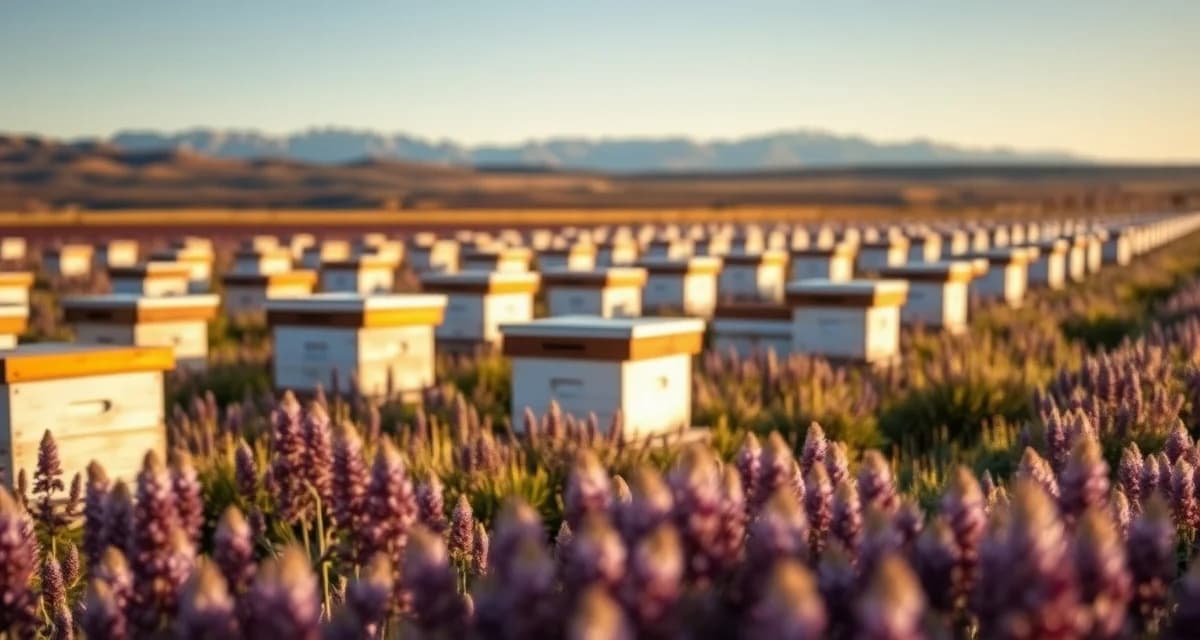
Alfalfa Seed Pollination in Colorado: Contracts and Opportunities
Colorado's San Luis Valley is one of the major alfalfa seed producing regions in the United States, and it requires commercial hive placements for adequate seed set. The valley's high-altitude, semi-arid conditions produce certified alfalfa seed used for variety maintenance and commercial seed sales. For migratory beekeepers, Colorado alfalfa seed pollination runs July through August, offering post-almond income in a different geographic and climate environment than California.
Colorado alfalfa seed pollination is a meaningful commercial opportunity that operators working the Mountain West circuit can incorporate between spring Pacific Northwest or Plains moves and fall positions.
TL;DR
- Colorado's primary commercial beekeeping role is shaped by its crop mix, climate, and position on the national pollination circuit.
- Pollination rates in Colorado range $65-220/hive depending on crop depending on crop and colony strength requirements.
- Out-of-state operators entering Colorado for pollination contracts must register with the state agricultural authority and obtain a Certificate of Health.
- Colorado functions as either a primary pollination destination, a seasonal honey production location, or a transitional stop depending on the circuit.
- Tracking permit status, registration documents, and yard records for Colorado operations requires organized record-keeping before the season opens.
San Luis Valley: The Core Market
The San Luis Valley in south-central Colorado, centered around Alamosa, Monte Vista, and Center, is the primary alfalfa seed production area. The valley sits at approximately 7,500 feet elevation, which creates a distinct climate: cool nights, warm days, and lower humidity than lower-altitude production regions.
The high altitude and cool nights mean the alfalfa bloom is different from desert alfalfa seed operations. Bee flight hours are concentrated in the warmest parts of the day, typically 10 AM to 4 PM, when temperatures are adequate for active foraging. Early morning and evening activity is lower than at lower elevations.
Colony strength needs to account for the reduced flight window. Strong colonies with large forager populations compensate for the shorter daily flight period. Plan for 6 to 8 frames of bees as a minimum for effective San Luis Valley alfalfa seed pollination.
For clover and seed crop pollination contract planning, Colorado's San Luis Valley is one of the more reliable high-altitude seed production markets.
Timing and the Migratory Calendar
Colorado alfalfa seed bloom runs from approximately July 1 through mid-August in the San Luis Valley. This timing creates a clean summer bracket between spring Pacific Northwest operations (late April through June) and fall transitions south or east.
Operators who work California almonds in February, Pacific Northwest blueberries or cherries in April and May, and then Colorado alfalfa in July-August have a well-structured three-revenue-source summer. The gaps between stops need to be managed, with colony recovery time and mite treatment fitting in the transition periods.
For Colorado commercial beekeeping, understanding the state's apiary registration requirements is the baseline compliance step before pursuing San Luis Valley contracts.
Contract Opportunities and Rates
San Luis Valley alfalfa seed growers contract with beekeepers through direct relationships and sometimes through seed company coordination. Rates for Colorado alfalfa seed pollination have typically run $50 to $80 per hive, reflecting the summer context and the competition from operators who keep honey production as their primary summer focus.
Operators who can deliver strong, consistent colonies for the full bloom period build multi-year relationships with San Luis Valley growers. The community is tight-knit and grower references travel quickly.
Logistics in the San Luis Valley
The San Luis Valley's road network is good for agricultural equipment access. The valley floor is relatively flat, and most alfalfa seed fields have serviceable road access for loaded trucks. The altitude affects vehicle performance slightly, which is worth considering if your trucks have older or high-mileage engines.
Water access in the high desert valley requires planning. See the commercial yard water management guide for approaches to water provision in arid conditions.
Frequently Asked Questions
How do you get alfalfa seed contracts in Colorado?
Focus outreach on the San Luis Valley, specifically the Alamosa, Monte Vista, and Center areas where alfalfa seed production is concentrated. Contact growers and local agricultural extension offices in the fall or early winter for the following summer season. Seed company representatives who contract with individual producers are another entry point. Colorado State University Extension in Alamosa County has connections with the agricultural production community that can provide introductions. Come prepared with your operation's colony count, strength standards, and track record from other pollination work.
When is alfalfa bloom in Colorado?
San Luis Valley alfalfa seed bloom runs from approximately July 1 through mid-August in a typical year. Exact timing varies by field and variety, with first cutting residual fields blooming later than dedicated seed stands. The high altitude (7,500 feet) creates slightly later bloom timing than low-altitude alfalfa operations. Operators should plan to have colonies in place by late June to allow acclimation before peak bloom in July. The growing season ends abruptly with the first fall frost, typically in late August or September depending on the year.
What colony strength do Colorado alfalfa seed growers require?
Most San Luis Valley alfalfa seed growers require colonies at 6 frames of bees minimum at time of placement. The high altitude reduces the daily flight window, so strong forager populations are more important than in lower-altitude operations where bees can fly more hours per day. Colonies that arrive strong and are maintained well through the 6 to 7 week season maintain their populations adequately for effective seed pollination. Operators who deliver weak colonies and hope they'll build up in the valley typically disappoint growers, as the high-altitude conditions don't favor rapid buildup.
What is the process for registering an out-of-state apiary in a new state?
Most states require out-of-state operators to register with the state department of agriculture apiary program before placing colonies. The process typically involves submitting a registration application (online or paper), paying a fee (usually $10-50 per location), and providing contact information for the operation. Some states also require the registration to be renewed annually. Contact the destination state's department of agriculture apiary program at least 60 days before your planned arrival to confirm current requirements.
What documentation do state apiary inspectors typically review?
State apiary inspectors review health certificates for out-of-state colonies, registration documentation, and colony inspection records during apiary visits. Inspectors check for signs of American foulbrood, European foulbrood, and other regulated pests and diseases. Operations with organized digital records that include treatment history and mite counts typically have faster, less complicated inspections than operations without documentation. Some state inspectors also verify that varroa mite loads are below state entry thresholds.
What triggers a state apiary inspection?
State apiary inspections can be triggered by routine inspection schedules (most states inspect a percentage of registered apiaries annually), neighbor or landowner complaints, disease reports from nearby operations, or inspection requirements tied to state entry permits. California, in particular, has the right to inspect incoming loads at port of entry for commercial beekeeping operations. Maintaining current registration and organized records makes required inspections faster and less disruptive.
Try These Free Tools
Sources
- USDA Agricultural Research Service
- Bee Informed Partnership
- American Beekeeping Federation (ABF)
- Colorado Department of Agriculture
- Project Apis m.
Get Started with PollenOps
Commercial operations working in Colorado face the same registration, permit, and documentation requirements as any state on the national circuit -- plus Colorado's specific regulatory requirements. PollenOps tracks your Colorado yard records, contract assignments, and permit documentation alongside your full operation, so entering a new state doesn't add a separate administrative burden. See how the platform fits operations working across multiple states.