Alfalfa Seed Pollination in Idaho: Contracts and Logistics
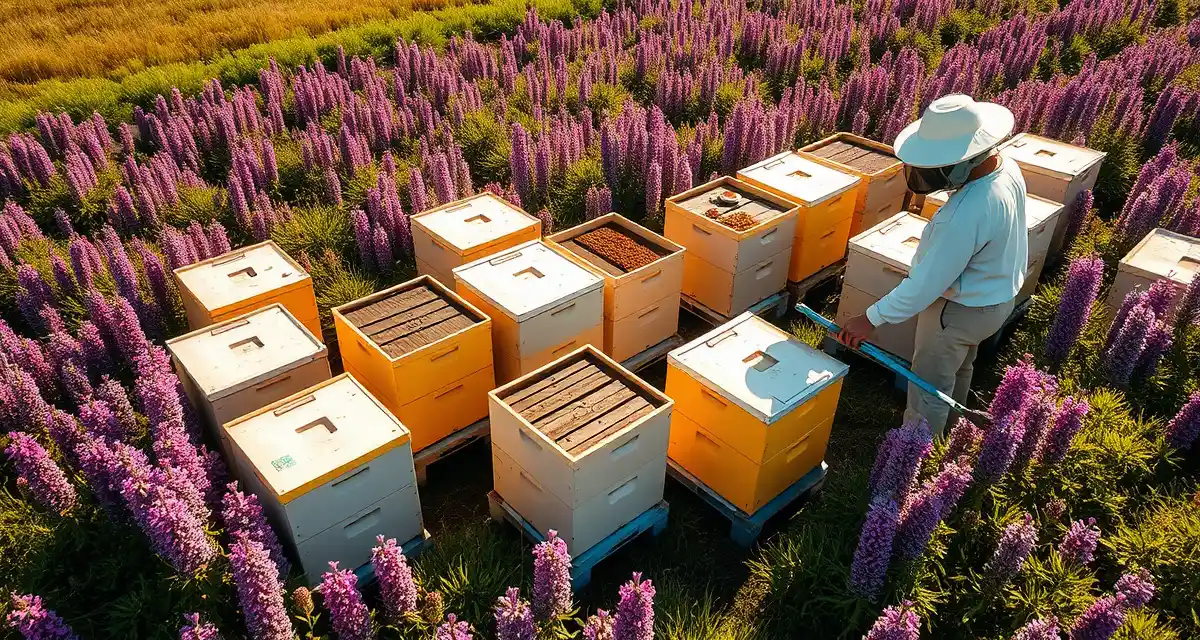
Idaho is a major alfalfa seed producer requiring 3-5 hives per acre in summer. That per-acre density requirement is one of the highest for any major US pollination crop, making alfalfa seed one of the more lucrative summer pollination opportunities per acre contracted.
The alfalfa seed market in Idaho, concentrated in the Magic Valley (Twin Falls, Gooding, Lincoln, and Jerome counties), runs July through August, providing income after California almond exit and before fall preparations.
TL;DR
- Idaho's primary commercial beekeeping role is shaped by its crop mix, climate, and position on the national pollination circuit.
- Pollination rates in Idaho range $65-220/hive depending on crop depending on crop and colony strength requirements.
- Out-of-state operators entering Idaho for pollination contracts must register with the state agricultural authority and obtain a Certificate of Health.
- Idaho functions as either a primary pollination destination, a seasonal honey production location, or a transitional stop depending on the circuit.
- Tracking permit status, registration documents, and yard records for Idaho operations requires organized record-keeping before the season opens.
Why Alfalfa Seed Requires High Hive Density
Alfalfa flowers have a tripping mechanism: the reproductive column is held under tension and must be released by a visiting bee to allow pollen transfer. Native leafcutter bees and alkali bees are more effective at tripping alfalfa flowers than honeybees, which often learn to steal nectar without tripping.
Because honeybees are less efficient per visit for alfalfa pollination than specialty bees, more hives per acre are required to achieve adequate seed set. The 3-5 hive per acre standard compensates for this efficiency gap with volume.
Some Idaho seed growers also use leafcutter bees in combination with honeybees. In those situations, the honeybee per-acre requirement may be slightly reduced, but honeybees remain an important component of most commercial alfalfa seed operations.
When Does Alfalfa Bloom Start in Idaho?
Idaho alfalfa seed pollination timing:
- Magic Valley (Twin Falls, Gooding counties): First cutting alfalfa bloom typically starts in late June to early July
- Second cutting seed: August, where applicable
Bloom timing is driven by growing degree day accumulation from planting or from first cutting. Unlike tree fruit crops, alfalfa seed timing is primarily determined by the grower's harvest management schedule and planting date, not by winter chilling hours.
The best timing information comes from direct communication with your grower in May or early June about their planned bloom window.
How Does Alfalfa Seed Pollination Pricing Compare to Almond?
Idaho alfalfa seed contracts typically pay in the range of $50-$80 per hive. This is significantly below California almond rates ($180-$230/hive) but the economics work out because:
- Lower travel cost from Pacific Northwest (closer than California)
- Lower operational complexity than almond season
- Often fills a gap period (July-August) when other contracts are complete
- Multiple weeks of contract income at reasonable per-hive rates
For a 500-hive operation, an Idaho alfalfa seed contract at 4 hives per acre covering 125 acres generates $25,000-$50,000 over 4-6 weeks. That revenue fills the income gap between Pacific Northwest spring pollination and fall honey production.
Getting Alfalfa Seed Pollination Contracts in Idaho
The Idaho alfalfa seed market is served by a relatively small community of beekeepers who understand the crop's specific requirements. Entering this market requires:
Establishing relationships with seed companies: Many Idaho alfalfa seed contracts are negotiated through seed companies (Desert Valley, Pacific Seeds, etc.) that contract production from individual growers. The seed company often specifies the bee requirements and may facilitate beekeeper placement.
Direct grower outreach: Contact growers in the Magic Valley area directly, identifying farms through county assessor records or agricultural directories.
Beekeeping association connections: Idaho Beekeepers Association connections to the Magic Valley farming community can facilitate introductions.
Referrals from other beekeepers: Other operators working the Idaho alfalfa market may have more acreage than they can fill and are willing to refer overflow.
What Colony Strength Is Needed for Alfalfa Seed Pollination?
Alfalfa seed growers typically specify 5-6 frames of bees minimum for pollination contracts. The crop's timing in July-August means your colonies are coming off spring pollination or honey production season and should be at or near peak summer strength.
Managing colony health through June is important for Idaho alfalfa placements. Colonies finishing Pacific Northwest cherry or apple contracts in May-June need 4-6 weeks of recovery time before alfalfa placement. This recovery period, in a good forage location, typically restores colonies to adequate strength for July Idaho placements.
PollenOps pre-move strength assessment guides you through the field assessment before loading trucks for Idaho, ensuring every hive meets the contracted minimum before you commit to delivery.
Idaho Permit Requirements
Idaho requires a health certificate for hives entering from out of state. The Idaho State Department of Agriculture maintains apiary registration requirements for commercial operators.
Idaho is generally considered cooperative for migratory beekeepers. The state's agricultural economy benefits from commercial bee services, and the regulatory environment reflects this.
Integrating Idaho into Your Migratory Route
The geographic routing that makes Idaho work for migratory operators:
Coming from California: After almond season in March, some operators transition to Southern Idaho directly, bypassing the Pacific Northwest spring season entirely. This works for operations without Pacific Northwest cherry contracts.
After Pacific Northwest: The more common routing for Pacific Northwest-focused operations is cherry and apple in April-May, Oregon berry in May-June, then Idaho alfalfa in July. The geographic flow from Oregon to Southern Idaho involves crossing either over the Blue Mountains (US-84) or through Eastern Oregon.
Before Northern Plains: After Idaho alfalfa, Northern Plains honey production in North Dakota or Montana is a natural continuation of the northern route before the fall return south.
PollenOps tracks Idaho alfalfa seed contracts alongside your other summer crop placements in the same seasonal contract calendar, showing the timing relationship between Idaho alfalfa and any overlapping Northern Plains or West Coast commitments.
Frequently Asked Questions
How do you get alfalfa seed pollination contracts in Idaho?
The primary approaches are establishing relationships with seed companies that contract alfalfa seed production from Idaho growers, direct outreach to growers in Twin Falls and Gooding counties, Idaho Beekeepers Association connections, and referrals from other beekeepers working the Idaho market. The alfalfa seed community is relatively tight-knit, and personal introductions are often the most effective path to your first Idaho contract.
What colony strength is needed for alfalfa seed pollination?
Idaho alfalfa seed growers typically require 5-6 frames of bees minimum. Colonies finishing Pacific Northwest spring pollination in May-June have 4-6 weeks to recover before July Idaho placements. Good forage during the recovery period is important for restoring colony strength after the spring season's demands.
How does alfalfa seed pollination pricing compare to almond?
Idaho alfalfa seed contracts typically pay $50-$80 per hive, significantly below California almond rates of $180-$230 per hive. The economics work for migratory operators because the travel cost from the Pacific Northwest is lower than from California, the timing fills a productive income gap in July-August, and the operational complexity is lower than almond season. A 500-hive operation placing at 4 hives per acre across 125 acres generates $25,000-$50,000 over 4-6 weeks.
What is the process for registering an out-of-state apiary in a new state?
Most states require out-of-state operators to register with the state department of agriculture apiary program before placing colonies. The process typically involves submitting a registration application (online or paper), paying a fee (usually $10-50 per location), and providing contact information for the operation. Some states also require the registration to be renewed annually. Contact the destination state's department of agriculture apiary program at least 60 days before your planned arrival to confirm current requirements.
What documentation do state apiary inspectors typically review?
State apiary inspectors review health certificates for out-of-state colonies, registration documentation, and colony inspection records during apiary visits. Inspectors check for signs of American foulbrood, European foulbrood, and other regulated pests and diseases. Operations with organized digital records that include treatment history and mite counts typically have faster, less complicated inspections than operations without documentation. Some state inspectors also verify that varroa mite loads are below state entry thresholds.
What triggers a state apiary inspection?
State apiary inspections can be triggered by routine inspection schedules (most states inspect a percentage of registered apiaries annually), neighbor or landowner complaints, disease reports from nearby operations, or inspection requirements tied to state entry permits. California, in particular, has the right to inspect incoming loads at port of entry for commercial beekeeping operations. Maintaining current registration and organized records makes required inspections faster and less disruptive.
Try These Free Tools
Sources
- USDA Agricultural Research Service
- Bee Informed Partnership
- American Beekeeping Federation (ABF)
- Idaho Department of Agriculture
- Project Apis m.
Get Started with PollenOps
Commercial operations working in Idaho face the same registration, permit, and documentation requirements as any state on the national circuit -- plus Idaho's specific regulatory requirements. PollenOps tracks your Idaho yard records, contract assignments, and permit documentation alongside your full operation, so entering a new state doesn't add a separate administrative burden. See how the platform fits operations working across multiple states.