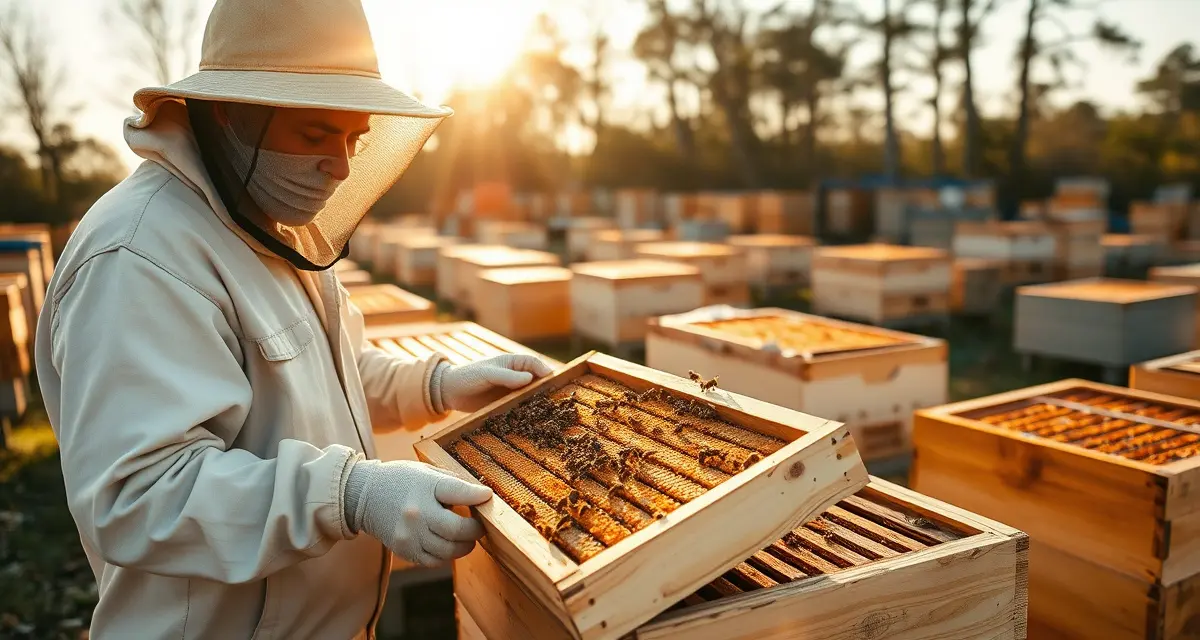
Georgia Apiary Regulations for Commercial Beekeeping Operations
Georgia's warm winters make it a destination state for migratory beekeepers building colony strength ahead of spring pollination. Whether you're wintering colonies in South Georgia or running through the state on your way to the Southeast fruit circuit, you need to understand Georgia's registration and movement requirements before your trucks cross the state line.
Georgia requires annual apiary registration for all beekeeping operations, including out-of-state operators placing hives in the state for any purpose. The Georgia Department of Agriculture's Plant Protection Division oversees apiary regulation, and registration must be renewed each year. Out-of-state colonies may also require a certificate of inspection from your home state before entry, so check current requirements with the Georgia Department of Agriculture directly, as rules can change season to season.
TL;DR
- Georgia's primary commercial beekeeping role is shaped by its crop mix, climate, and position on the national pollination circuit.
- Pollination rates in Georgia range $65-220/hive depending on crop depending on crop and colony strength requirements.
- Out-of-state operators entering Georgia for pollination contracts must register with the state agricultural authority and obtain a Certificate of Health.
- Georgia functions as either a primary pollination destination, a seasonal honey production location, or a transitional stop depending on the circuit.
- Tracking permit status, registration documents, and yard records for Georgia operations requires organized record-keeping before the season opens.
What Registration Involves
Georgia apiary registration is done through the Georgia Department of Agriculture. You'll need to register each yard location, report the number of colonies, and keep your contact information current. The fee structure is generally modest, but you need to be registered before colonies are placed in the state.
If you're an out-of-state operator, you're required to register your Georgia yard locations. This applies even if you're only in the state for 6–8 weeks over winter. Georgia inspectors do conduct field checks, and unregistered yards create liability you don't want during an otherwise smooth operation.
For operators using PollenOps to manage state-by-state compliance, Georgia registration details can be stored alongside permit expiration dates and inspection records so nothing falls through the cracks during peak movement season.
Interstate Movement Requirements
Georgia may require a certificate of health or certificate of inspection for colonies entering from other states. The specific requirement depends on the origin state and current disease pressure. Africanized honey bee monitoring is also relevant for colonies coming from Florida and other southern states.
You should contact the Georgia Department of Agriculture Plant Protection Division well before your planned move date. Getting inspection paperwork in order from your home state typically requires 2–4 weeks lead time depending on inspector availability in your region.
Yard Placement and Access
If you're placing colonies in Georgia for wintering, you'll need a yard lease or written landowner permission. Georgia's agricultural lands are mostly in private hands, and relationships with local farmers or landowners are typically how operators secure yard access.
South Georgia offers excellent wintering conditions. The mild climate allows colonies to maintain populations and begin early buildup ahead of spring moves. Operators using Georgia for wintering should plan to check colonies regularly, as warm winters can also trigger early swarming and robbing activity that requires management.
Pesticide Awareness
Georgia's agricultural activity includes significant row crop and orchard production. If you're placing yards near active farms, understand what's being planted and what spray programs the growers run. Pesticide notification requirements vary, and building relationships with neighboring farmers before problems arise is always better than dealing with exposure events after the fact.
Georgia's Department of Agriculture does take pesticide complaints involving pollinators seriously. Document your yard locations and any exposure events through your normal commercial beekeeping operations management records.
Frequently Asked Questions
What registration is required for commercial beekeeping in Georgia?
All beekeeping operations in Georgia, including out-of-state operators with temporary yard locations, must register with the Georgia Department of Agriculture's Plant Protection Division. Registration requires listing each yard location and colony count. Out-of-state operators need to register before placing any hives in the state. Annual renewal is required. Contact the Georgia Department of Agriculture directly for current fee schedules and any updates to requirements, as these can change from year to year.
What certificates are needed to bring hives into Georgia?
Georgia may require a certificate of health or certificate of inspection from your origin state when bringing colonies across state lines. The specific documentation required can vary based on current disease conditions and the origin state. You should contact the Georgia Department of Agriculture's Plant Protection Division at least 4 weeks before your planned movement to confirm what paperwork is needed and whether your home state inspector can provide it in time. Skipping this step risks having loads turned back at the Georgia line.
Does Georgia require inspection for colonies wintering in the state?
Georgia does conduct inspections of commercial apiaries, including out-of-state operations that have registered yard locations in the state. Random field checks occur, and inspectors look for signs of American foulbrood, small hive beetle infestations, and other reportable conditions. If you're wintering in Georgia, your colonies are subject to inspection. Maintaining clean yards, keeping registration current, and responding promptly to any inspector contact will keep your operation in good standing.
What is the process for registering an out-of-state apiary in a new state?
Most states require out-of-state operators to register with the state department of agriculture apiary program before placing colonies. The process typically involves submitting a registration application (online or paper), paying a fee (usually $10-50 per location), and providing contact information for the operation. Some states also require the registration to be renewed annually. Contact the destination state's department of agriculture apiary program at least 60 days before your planned arrival to confirm current requirements.
What documentation do state apiary inspectors typically review?
State apiary inspectors review health certificates for out-of-state colonies, registration documentation, and colony inspection records during apiary visits. Inspectors check for signs of American foulbrood, European foulbrood, and other regulated pests and diseases. Operations with organized digital records that include treatment history and mite counts typically have faster, less complicated inspections than operations without documentation. Some state inspectors also verify that varroa mite loads are below state entry thresholds.
What triggers a state apiary inspection?
State apiary inspections can be triggered by routine inspection schedules (most states inspect a percentage of registered apiaries annually), neighbor or landowner complaints, disease reports from nearby operations, or inspection requirements tied to state entry permits. California, in particular, has the right to inspect incoming loads at port of entry for commercial beekeeping operations. Maintaining current registration and organized records makes required inspections faster and less disruptive.
Try These Free Tools
Sources
- USDA Agricultural Research Service
- Bee Informed Partnership
- American Beekeeping Federation (ABF)
- Georgia Department of Agriculture
- Project Apis m.
Get Started with PollenOps
Commercial operations working in Georgia face the same registration, permit, and documentation requirements as any state on the national circuit -- plus Georgia's specific regulatory requirements. PollenOps tracks your Georgia yard records, contract assignments, and permit documentation alongside your full operation, so entering a new state doesn't add a separate administrative burden. See how the platform fits operations working across multiple states.