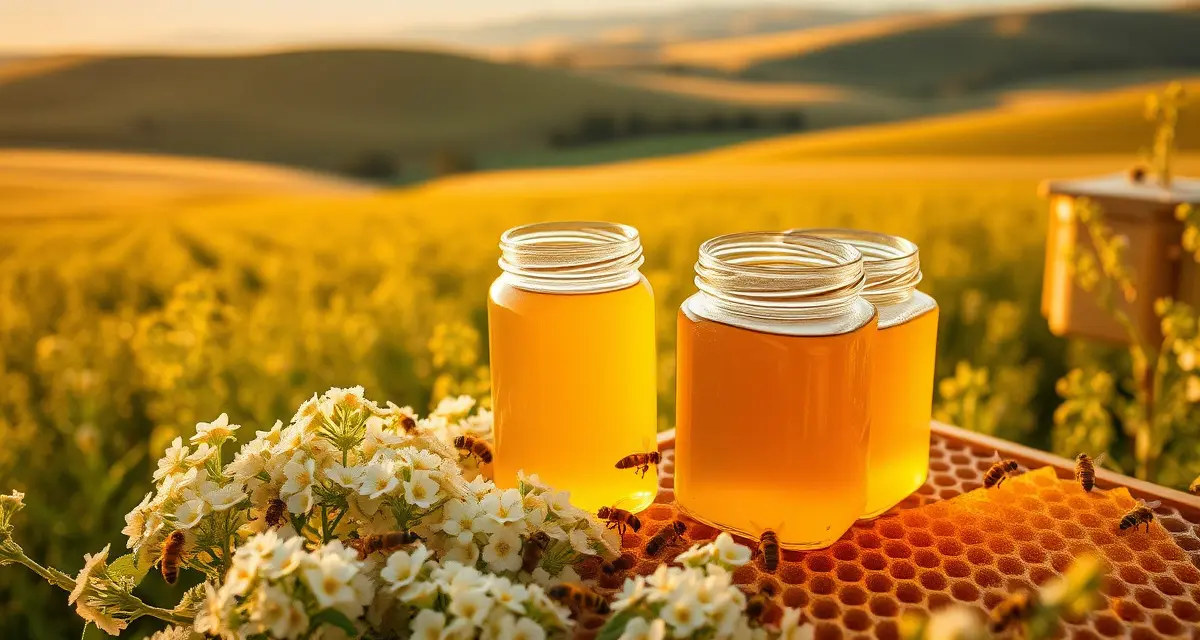
Sweet Clover Honey Production in Eastern Washington: Commercial Guide
Eastern Washington's Columbia Basin produces exceptional sweet clover honey in July and August, following cherry pollination season in the Yakima and Wenatchee valleys. Sweet clover honey from this region commands premium prices in specialty markets for its distinctive flavor: lighter than most clover honeys, with a mild anise-like note that differentiated buyers seek. For commercial operators who run Washington tree fruit contracts in spring, staying in eastern Washington for summer sweet clover production is a natural and financially logical extension of the season.
Sweet clover honey commands premium prices in specialty markets compared to standard domestic honey, and eastern Washington's Columbia Basin produces excellent conditions for yield and quality. The region's warm summer days, irrigation-supported agriculture, and extensive clover acreage in fallow fields and roadsides create a consistent summer honey flow.
TL;DR
- Washington's primary commercial beekeeping role is shaped by its crop mix, climate, and position on the national pollination circuit.
- Pollination rates in Washington range $65-220/hive depending on crop depending on crop and colony strength requirements.
- Out-of-state operators entering Washington for pollination contracts must register with the state agricultural authority and obtain a Certificate of Health.
- Washington functions as either a primary pollination destination, a seasonal honey production location, or a transitional stop depending on the circuit.
- Tracking permit status, registration documents, and yard records for Washington operations requires organized record-keeping before the season opens.
Eastern Washington Clover Geography
The Columbia Basin's summer honey opportunity extends across Grant, Adams, Franklin, and Walla Walla counties, with the Yakima Valley's irrigated agriculture adding sweet clover in field margins and established forage areas. The basin's low rainfall and dependence on irrigation from the Columbia River irrigation system creates fields and roadsides with abundant sweet clover established as soil-building cover crops or persistent naturalized stands.
White sweet clover (Melilotus albus) and yellow sweet clover (Melilotus officinalis) both produce nectar in the Columbia Basin, with white sweet clover generally considered the superior honey plant. Both bloom from late June through August, with peak flow typically in July.
Summer temperatures in the Columbia Basin can reach 95 to 105 degrees Fahrenheit. This heat is both a productive driver for nectar flow and a colony management challenge. You'll need water access at every summer yard location, and monitoring colony condition during extended heat waves is important to prevent brood-break and population decline.
Accessing Eastern Washington Sweet Clover
Unlike pollination markets where you need specific grower contracts to access a crop, sweet clover honey production is primarily a forage opportunity rather than a contracted service. You're positioning colonies on available forage in an unmanaged landscape rather than pollinating a grower's crop.
This means accessing eastern Washington clover is primarily about identifying and securing yard locations with good clover access, adequate water, and reasonable shade or ventilation. Leasing farmland for summer yards from willing landowners in the Columbia Basin or Yakima Valley is the standard approach.
Washington State University Extension's Columbia Basin agricultural resources and county Agricultural Stabilization and Conservation Service offices can provide information on agricultural land use patterns in the target counties. Local contacts who know which landowners are open to leasing hive yard space are often your best lead source.
Use PollenOps Washington commercial beekeeping resources for state registration requirements and compliance context. If you're transitioning from spring cherry pollination contracts to summer honey yards, PollenOps honey production tracking can integrate your yard location data and production records in the same platform.
Colony Management for Eastern Washington Summer
Managing colonies in the Columbia Basin's summer heat requires attention to a few specific practices. First, adequate water within a few hundred feet of your yards is non-negotiable. Colonies without water access in 100-degree heat will reduce foraging activity and may develop brood-break from overheating.
Second, super management during the clover flow needs to be aggressive. Eastern Washington sweet clover flows can fill supers quickly in peak July flow, and colonies that run out of super space will swarm or reduce nectar collection rather than continue working efficiently. Stay on top of super additions during July.
Third, varroa management timing for summer eastern Washington operations should account for a mid-summer treatment if you're preparing colonies for fall pollination or almond season later. Running mite loads up through August without intervention and then expecting strong winter-preparation colonies in September is optimistic.
Marketing Eastern Washington Sweet Clover Honey
Sweet clover honey from eastern Washington sells well in several channels: Pacific Northwest specialty grocery stores that feature regional honey, farmers markets in Seattle, Portland, and the Yakima/Tri-Cities metro area, direct-to-consumer online sales emphasizing the regional origin story, and wholesale to honey packers who blend or market varietal products.
The regional identity of Columbia Basin sweet clover honey is a genuine marketing asset. "Eastern Washington sweet clover" has specificity that generic "clover honey" doesn't, and premium retail buyers respond to provenance. Packaging that tells the geographic story and the seasonal connection to Washington's orchard country adds retail value.
Frequently Asked Questions
How do you access Eastern Washington sweet clover for honey production?
Sweet clover honey production in eastern Washington is primarily about securing yard locations on private agricultural land with access to established clover forage. Lease arrangements with landowners in Grant, Adams, Franklin, and Walla Walla counties and the Yakima Valley are the standard approach. Local contacts and county agricultural resources help identify willing landowners. This is a forage-based honey production opportunity rather than a contracted pollination service, so your focus is on finding quality yard locations rather than negotiating grower contracts.
When is sweet clover bloom in Eastern Washington?
Eastern Washington sweet clover bloom runs primarily in July and August, with peak nectar flow typically in July when summer temperatures are at their most consistent and plants are at full bloom. Both white and yellow sweet clover bloom through late June into August. The summer heat of the Columbia Basin drives strong nectar flows during warm, dry July days. Position colonies in the basin by late June to capture the full July flow.
How do you market Eastern Washington sweet clover honey?
Eastern Washington sweet clover honey sells well in Pacific Northwest specialty grocery channels, farmers markets in Seattle, Portland, and eastern Washington cities, direct-to-consumer channels emphasizing regional origin, and wholesale to honey packers who value varietal products. The regional identity of Columbia Basin sweet clover is a genuine differentiator in premium markets. Package with geographic specificity and connect it to the orchard country circuit story if you're also running Washington tree fruit contracts.
What is the process for registering an out-of-state apiary in a new state?
Most states require out-of-state operators to register with the state department of agriculture apiary program before placing colonies. The process typically involves submitting a registration application (online or paper), paying a fee (usually $10-50 per location), and providing contact information for the operation. Some states also require the registration to be renewed annually. Contact the destination state's department of agriculture apiary program at least 60 days before your planned arrival to confirm current requirements.
What documentation do state apiary inspectors typically review?
State apiary inspectors review health certificates for out-of-state colonies, registration documentation, and colony inspection records during apiary visits. Inspectors check for signs of American foulbrood, European foulbrood, and other regulated pests and diseases. Operations with organized digital records that include treatment history and mite counts typically have faster, less complicated inspections than operations without documentation. Some state inspectors also verify that varroa mite loads are below state entry thresholds.
What triggers a state apiary inspection?
State apiary inspections can be triggered by routine inspection schedules (most states inspect a percentage of registered apiaries annually), neighbor or landowner complaints, disease reports from nearby operations, or inspection requirements tied to state entry permits. California, in particular, has the right to inspect incoming loads at port of entry for commercial beekeeping operations. Maintaining current registration and organized records makes required inspections faster and less disruptive.
Try These Free Tools
Sources
- USDA Agricultural Research Service
- Bee Informed Partnership
- American Beekeeping Federation (ABF)
- Washington Department of Agriculture
- Project Apis m.
Get Started with PollenOps
Commercial operations working in Washington face the same registration, permit, and documentation requirements as any state on the national circuit -- plus Washington's specific regulatory requirements. PollenOps tracks your Washington yard records, contract assignments, and permit documentation alongside your full operation, so entering a new state doesn't add a separate administrative burden. See how the platform fits operations working across multiple states.