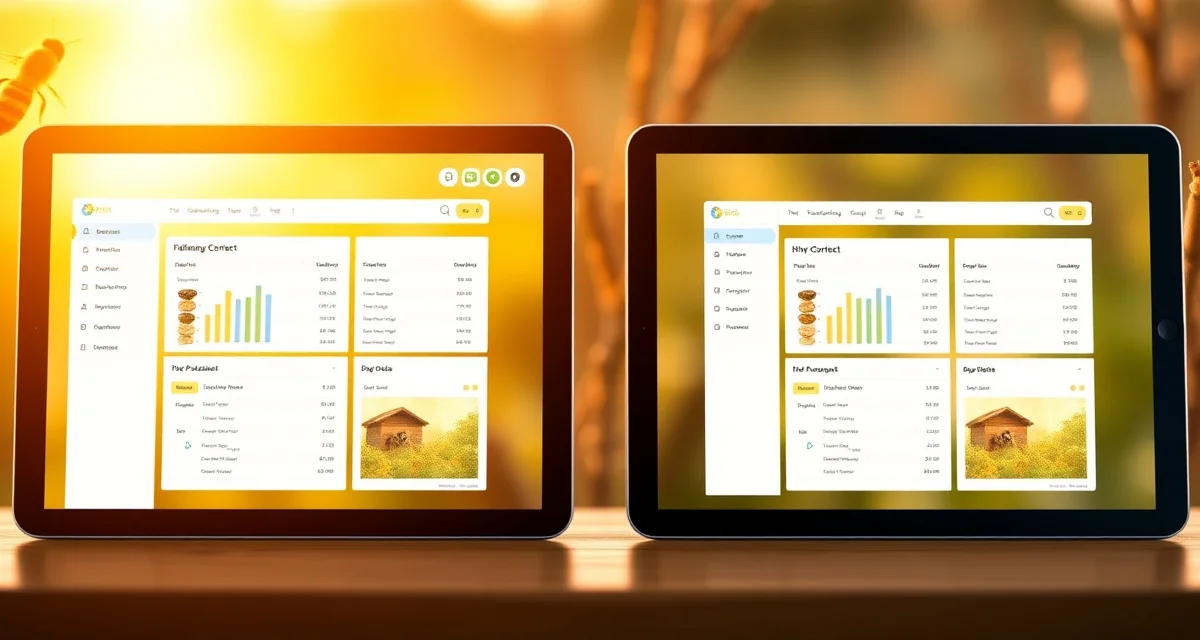
PollenOps vs Hive Tracks Pro: Feature Comparison
Hive Tracks Pro is the most commonly mentioned alternative when commercial beekeepers are evaluating PollenOps. It's a US-based product with a meaningful user base, and it handles yard management and basic hive tracking reasonably well.
But if you're running pollination contracts with commercial growers, the comparison is more straightforward than it might appear. Hive Tracks Pro users report spending 8 or more hours per week on contract management tasks the tool doesn't automate. That's more than a full workday every week going into manual spreadsheet work, phone calls, and re-entering data across disconnected systems.
This comparison covers what each platform actually does, where the gaps are, and how to decide which is right for your operation.
TL;DR
- Commercial beekeeping operations that manage contracts on spreadsheets and phone calls spend 5-10 hours per week on administrative tasks that software handles automatically.
- Purpose-built beekeeping software centralizes contract lifecycle management, yard records, health documentation, and fleet logistics in one platform.
- The primary ROI drivers for operations software are fewer contract disputes, faster invoicing, and reduced time spent on administrative coordination.
- PollenOps is built specifically for commercial-scale pollination operations; it is not a hobbyist platform adapted for commercial use.
- Moving from spreadsheets to dedicated software typically pays for itself within one season in time savings and dispute prevention.
Feature-by-Feature Comparison
| Feature | PollenOps | Hive Tracks Pro |
|---|---|---|
| Yard location management | Yes (GPS-pinned) | Yes (basic) |
| Hive count tracking | Yes | Yes |
| Hive inspection logging | Yes | Yes |
| Move history log | Yes (GPS-timestamped) | Basic |
| Pollination contract management | Yes | No |
| Grower contract templates | Yes | No |
| Per-hive rate calculation | Yes | No |
| Automated invoicing | Yes | No |
| Bloom timing alerts (20+ crops) | Yes | No |
| Grower-facing delivery reports | Yes | No |
| GPS delivery verification | Yes | No |
| Hive strength compliance reports | Yes | No |
| Interstate transport compliance | Yes | No |
| Grower portal access | Yes | No |
| Offline mobile app | Yes | Limited |
| Pricing | $49-89/mo | Similar range |
What Hive Tracks Pro Does Well
Hive Tracks Pro was built around individual hive management and inspection logging. If your primary workflow is recording inspections, tracking honey supers, and keeping a log of which hives are in which yard, it handles that reasonably well.
For hobbyist and semi-commercial beekeepers whose primary product is honey and who have one or two locations, Hive Tracks Pro covers the core needs without a lot of complexity.
The interface is familiar to beekeepers who are used to logging inspections, and the learning curve for basic hive tracking is relatively low.
What Hive Tracks Pro Is Missing for Commercial Pollination
The gaps become significant as soon as you start managing commercial pollination contracts:
No contract management. Hive Tracks Pro has no mechanism for creating, tracking, or managing pollination contracts with growers. There's no place to store contract terms, hive strength requirements, service period dates, or cancellation provisions. Every contract lives in a separate document or spreadsheet.
No bloom timing alerts. Hive Tracks Pro doesn't track crop bloom timing or send alerts before peak receptivity. You're relying on grower calls, farm publications, and last year's dates.
No automated invoicing. When the placement is done, you're manually creating invoices from your own records. If there's a dispute about the hive count or delivery date, your invoice and your delivery record are in separate places.
No grower-facing reports. There's no tool to generate a professional arrival report, strength summary, or delivery confirmation for your growers. You're handling grower communication entirely outside the platform.
No GPS delivery verification. Hive Tracks Pro doesn't capture GPS-timestamped delivery records that prove you delivered to the contracted location on the contracted date.
These aren't minor limitations. They're the core operational workflows of a commercial pollination business.
Can PollenOps Import My Data from Hive Tracks Pro?
If you're considering switching, data migration is a common concern. PollenOps can import yard locations and basic hive data from CSV exports, which most hive management tools support.
Your historical inspection logs may require some formatting, and your contract data (if you've been keeping it in Hive Tracks Pro or adjacent spreadsheets) can be migrated manually during your first season setup. Most beekeepers complete the data migration in a few hours with help from PollenOps onboarding support.
The practical approach: import your yard and hive data at the start of a season, then enter new contract data as you sign your first contracts. By the end of your first full season on PollenOps, your historical baseline is established and the platform is fully populated.
Why Should I Switch from Hive Tracks Pro to PollenOps?
The business case is straightforward if you're managing commercial pollination contracts.
Time. If Hive Tracks Pro users spend 8+ hours per week on contract management tasks that PollenOps automates, switching saves roughly 400 hours per year. At any reasonable hourly value for your time, that's a compelling return.
Revenue protection. Missed bloom windows, disputed invoices, and poorly documented deliveries cost money. PollenOps bloom alerts, GPS delivery records, and automated invoicing reduce all three.
Grower relationships. Sending a grower a professional delivery report instead of a phone call changes how they perceive your operation. It signals professionalism and accountability. Over multiple seasons, that matters for renewal rates and rate conversations.
Scalability. If you're planning to grow from 30 grower contracts to 50, or from 500 hives to 1,000, the systems you use need to scale with you. PollenOps is built for operations from 50 hives to 5,000+. Hive Tracks Pro's contract management gap becomes more expensive as you grow.
When Hive Tracks Pro Might Still Make Sense
If you're primarily a honey producer with one or two pollination contracts per year, and managing those contracts manually with a Word document template is acceptable to you, Hive Tracks Pro's lower complexity might be an advantage.
If you're a part-time beekeeper who does occasional pollination and your main workflow is personal hive inspection logging, Hive Tracks Pro covers that use case.
But if commercial pollination is your primary business or a significant part of your revenue, the tool that was built for hive inspection logging is not the tool you want managing your $200,000 almond season.
Pricing Reality Check
Both platforms are priced in a similar range. The relevant cost comparison isn't the monthly subscription fee, it's the total operational cost of each approach, including the time you spend on manual work that one platform automates and the other doesn't.
A single avoided invoice dispute typically pays for a full year of PollenOps subscription. A single missed bloom window can cost far more.
Frequently Asked Questions
What does Hive Tracks Pro include that PollenOps does not?
Hive Tracks Pro has a more developed individual hive inspection logging workflow suited to hobbyist and small-scale honey production management. Its interface for recording per-inspection notes is familiar to beekeepers who log inspections as their primary workflow. For commercial pollination operations, however, these features don't compensate for the absence of contract management, bloom alerts, and automated invoicing.
Can PollenOps import my data from Hive Tracks Pro?
Yes. Hive Tracks Pro supports CSV data export, and PollenOps can import yard locations and basic hive data from those exports. Contract data and inspection histories typically require some formatting, and PollenOps onboarding support can guide you through the migration process. Most operators complete initial data migration in a few hours.
Why should I switch from Hive Tracks Pro to PollenOps?
If commercial pollination contracts are a significant part of your business, Hive Tracks Pro's lack of contract management, bloom timing alerts, automated invoicing, and grower-facing reports creates operational gaps that you're filling with manual work every week. PollenOps replaces Hive Tracks Pro plus your separate contract tracking, invoicing, and delivery documentation systems with one integrated platform. The time savings and reduced dispute risk typically pay for the switch within the first season.
What does purpose-built commercial beekeeping software do that a spreadsheet cannot?
Dedicated software connects data across your operation in ways spreadsheets cannot: a contract record links to the specific hives assigned to it, which links to the yard location, which links to health inspection records and treatment logs. When a grower calls to dispute a hive count, you can pull the delivery record, timestamped photos, and GPS-confirmed location in 30 seconds rather than searching three spreadsheets and an email thread. This integration is where the time savings and dispute-prevention value comes from.
How long does it take to migrate from spreadsheets to beekeeping software?
Most commercial operators complete the core migration in 2-4 weeks, starting with current contract records and active yard locations. Historical data (past seasons' inspection records, old contracts) can be migrated over time rather than all at once. The practical recommendation is to start with the current season's live data and add historical records as time allows. The operational improvement from having current data in the system is immediate; the historical data adds analytical depth over subsequent seasons.
Is there a free trial available for PollenOps?
Contact PollenOps directly to confirm current trial and demo options. Most commercial operators benefit from a walkthrough of the contract management and yard tracking modules against their own operation's data before committing, since the fit between the platform and your specific circuit and crop mix is the most important evaluation factor.
Try These Free Tools
Sources
- USDA Agricultural Research Service
- Bee Informed Partnership
- American Beekeeping Federation (ABF)
- American Honey Producers Association
- Project Apis m.
Get Started with PollenOps
Commercial beekeeping operations that move from spreadsheets to purpose-built software consistently report fewer disputes, faster invoicing, and less time on administrative work during peak season. PollenOps is built specifically for commercial-scale pollination operations. See how the platform fits your operation.