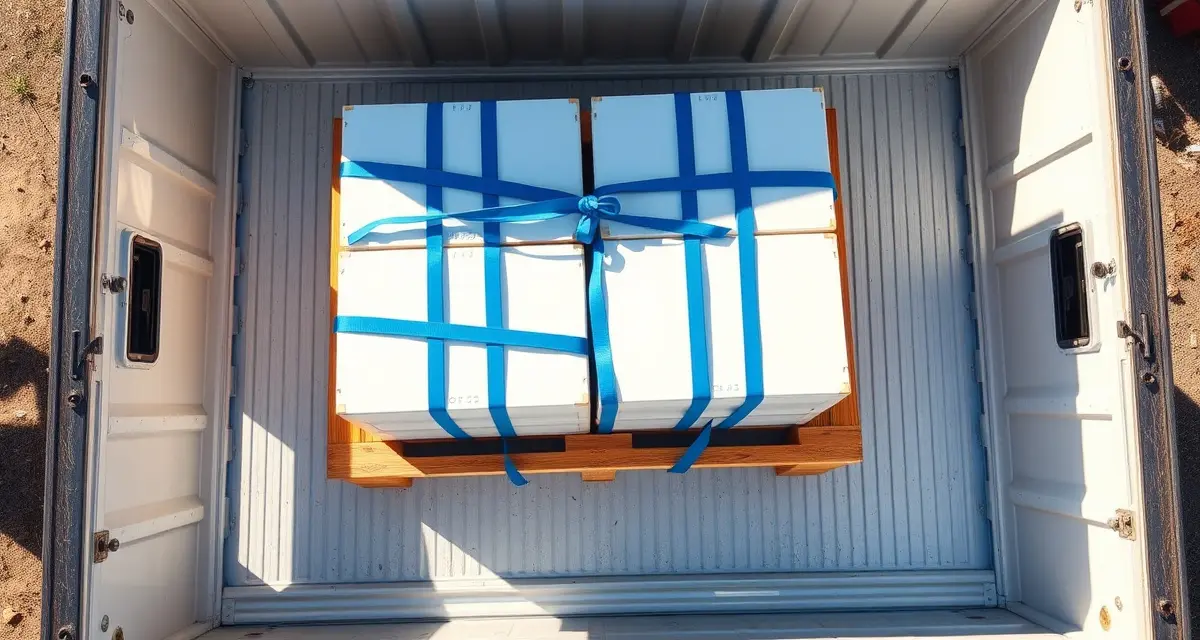
Truck Loading Procedures for Hive Transport: Commercial Beekeeping Guide
Improper loading is a leading cause of colony losses in transport and trucking liability claims. A hive that shifts during a mountain pass in Nevada, tips on an off-ramp in Fresno, or works loose from its pallet on a 90°F afternoon can cost you colonies, equipment, and a Department of Transportation citation, all on a trip that already cost you $1,500 in fuel.
A standard flatbed can carry 400-500 hive bodies depending on stack configuration. Getting 400 colonies from North Dakota to California with minimal losses isn't complicated, but it requires doing the same things right every time: loading at the right time, sealing hives properly, stacking for stability, and securing loads for highway transport.
TL;DR
- Moving 1,000 hives to almonds requires 2-3 truck loads, with fuel costs of $3,500-5,000 per run at current California diesel prices.
- Loading at night when bees are clustered inside reduces escape and minimizes defensive behavior during transport.
- GPS-confirmed yard coordinates, not just addresses, should be in every contract to prevent access failures on delivery night.
- Load planning that sequences multiple drops on a single truck run reduces total miles driven per hive.
- fleet logistics coordination -- vehicle assignments, load manifests, and crew scheduling -- requires a structured system at 500+ hives.
Pre-Loading Preparation
The work that determines transport success happens before the truck arrives at the yard.
Timing: Load at dusk or at night. Foragers return to the hive as light fades, and by full dark, essentially all bees are in the box. Loading during the day means leaving foragers behind and opening entrances to returning bees during loading, a chaotic, sting-heavy process that stresses colonies and injures bees.
Start noticing the yard about an hour before dusk. Walk the yard and flag any colonies that look like they have high bee populations outside the hive (beards from heat or population pressure). These colonies may need more time to cluster before you close them.
Entrance closure: Hive entrances must be closed before movement. Options:
- Foam plugs: Close-cell foam cut to entrance width. Stuffed in firmly. Fast, cheap, and readily available at hardware stores. Remove immediately on arrival.
- Screen inserts: Mesh screens that plug the entrance, allowing ventilation without bee escape. Better for long hot-weather hauls where ventilation matters more.
- Staple-over metal reducers: Reduces the entrance opening. Not a full closure; only appropriate for short moves in cool weather.
In hot weather (above 80°F), full entrance closure with no ventilation creates a significant mortality risk from heat. If you're moving in summer, screen closure that allows airflow is the correct choice over foam plugs.
Strap down the boxes: Before moving pallets with a forklift, ensure the hive bodies on each pallet are strapped to each other and to the pallet. Ratchet straps or special hive straps cinched top to bottom prevent box separation during pallet movement. A pallet that shifts while a forklift is moving it can lose upper boxes, which is a mechanical stress on colonies and a safety hazard for anyone nearby.
Pallet Configuration
Commercial beekeeping pallets are typically 4-hive wooden structures designed to hold 4 colonies in a 2x2 configuration, movable by forklift. The pallet design matters:
Standard 4-way entry pallets: Allow forklift access from any direction. Practical in open yards. Some almond growers specify pallet type; check your contract requirements.
2-way pallets: Less maneuverable but sometimes used. Require more careful placement.
Single-colony movers: Used for individual colony transport or small numbers. Less efficient for large moves.
Most California almond growers require hives on pallets for forklift placement in the orchard. Arriving with colonies on individual bottom boards instead of pallets slows placement significantly and some growers charge for the extra handling time.
Stack Configurations for Highway Transport
The number of colonies you can fit on a truck depends on the stack configuration, truck bed length, and the weight distribution.
Single-story pallets (4 hives each, one deep box per colony):
On a 48-foot flatbed, single-story pallets at standard spacing fit approximately 200-240 colonies. This is the most stable configuration and the easiest to load and unload, but it's also the least space-efficient.
Double-deep colonies on pallets:
Full colonies with a deep brood box plus another deep or medium honey super. These are taller, heavier, and require careful stacking to maintain stability. Double-deep pallets on a flatbed stack 2-3 pallets high depending on truck clearance requirements (typically 13'6" maximum height for highway travel).
Double-stack pallets (pallets stacked on pallets):
Empty pallets with single-story colonies can be double-stacked using pallet risers or specially designed double-stack frames. This doubles the colony count per truck at the cost of requiring more careful load securement.
A 48-foot flatbed at maximum practical loading:
- 400-500 single-deep colonies in double-stacked pallet configuration
- 300-350 double-deep production colonies in single-stack configuration
- Weight is the actual limiting factor more often than space
Weight Limits and DOT Compliance
Commercial trucks transporting live bee colonies are agricultural vehicles subject to Department of Transportation regulations. Understanding the weight limits and agricultural exemptions prevents expensive violations.
Standard federal weight limits:
- Single axle: 20,000 lbs
- Tandem axle: 34,000 lbs
- Gross vehicle weight: 80,000 lbs (standard limit without permit)
Agricultural exemptions: Vehicles transporting agricultural commodities from the farm to the first point of processing are exempt from some federal hours of service regulations. Honey bee colonies are generally considered an agricultural commodity under these exemptions, but the interpretation varies by state. Know your state's application before relying on agricultural exemptions.
Oversize/overweight permits: If your load exceeds standard limits, you need permits from each state you transit and sometimes escort vehicle requirements. California oversize permits are obtained from Caltrans. For most standard bee truck operations, staying within the 80,000 lb GVWR limits is achievable and preferable to the permit complexity.
Weigh the truck before long hauls. Scales at most truck stops let you check axle weights. An overloaded axle on a routine CHP inspection on I-5 produces fines that easily exceed $1,000.
Load Securement
Federal Motor Carrier Safety Administration (FMCSA) regulations require loads to be secured against forward, rearward, and lateral movement. Bee hive loads have specific challenges:
Ratchet straps: 4-inch wide straps rated for your load weight, running over the load from one side of the truck to the other. Standard practice is a strap over each row of pallets plus front and rear straps to prevent forward/rearward shift.
Strap positioning: Run straps over the pallet tops, not around the hive bodies. Contact with strap metal can damage boxes and disturb bees at the contact points.
Front and rear boards: Boards at the front and rear of the load prevent pallets from sliding forward (braking) or backward (acceleration). Some operators use load bars (telescoping aluminum rails) in the truck's side channels for additional restraint.
Securing counts: The minimum strap count for a loaded flatbed bee truck should be documented and consistent. A crew foreman who decides to skip 2 straps to save 15 minutes is the source of the liability claim that follows an accident.
Post-Load Inspection Before Departure
Before the truck leaves the yard, the driver or a second person walks the full load:
- Every entrance closed and secure
- All hive bodies strapped to their pallets
- All pallets strapped to the truck bed
- No boxes visibly shifted from loading
- Truck tie-down points all engaged
- Lights and signals working (night departure)
- CVI and entry permit in cab
This takes 10 minutes. The alternative is finding out something's wrong at 2 AM on I-15 when you can't safely stop to fix it.
Arrival and Unloading
Arrival at the grower's orchard for California almond placement typically happens in the early morning after an overnight drive. The grower or a contracted forklift operator moves pallets from the truck to pre-designated positions in the orchard. Your job at arrival:
- Confirm the delivery location with the grower contact
- Record arrival time and GPS coordinates (for delivery documentation)
- Allow forklift access to the truck without impeding operations
- Open entrances on each pallet as it's placed
- Document colony count at delivery
For PollenOps users, delivery documentation (colony count, GPS coordinates, arrival time, grower contact signature) is recorded in the platform at delivery. This creates the timestamped delivery record that supports your contract completion verification and any subsequent strength dispute resolution.
FAQ
What is the safest hive stack configuration for transport?
Single-story pallets (4 hives each in a standard 2x2 configuration) with all hive bodies strapped to the pallet and all pallets strapped to the truck bed is the most stable transport configuration. Double-stacking pallets increases colony count per trip but requires additional load securement to prevent pallet shift. Regardless of configuration, every entrance should be closed before loading (foam plugs in cool weather, screen closures in hot weather), and the full load should be inspection-confirmed before departure.
How do you seal hives for nighttime loading and transport?
Load at dusk or full dark when all foragers have returned. Close entrances with foam plugs (cool weather) or screened inserts (hot weather above 80°F) that prevent bee escape but allow ventilation for long summer hauls. Screen inserts are critical for any move where temperatures may exceed 80°F; sealed hives in hot weather generate lethal heat quickly. Strap all hive bodies to their pallets before forklift movement to prevent separation during loading.
What DOT regulations apply to transporting honey bee colonies?
Honey bee colonies are agricultural goods subject to DOT regulations on vehicle weight (standard 80,000 lb GVWR limit without permits), load securement (FMCSA standards for flatbed cargo), and driver hours of service (agricultural exemptions apply to some direct-farm transport). Interstate movements also require the destination state's health certificate and entry permit. Regulatory compliance with state agricultural entry requirements applies regardless of DOT status. Most states don't have specific regulations unique to bee transport beyond standard commercial truck requirements.
What is the standard approach for loading hives for overnight transport?
Load at night when bees are clustered inside, after temperatures have dropped below 60 degrees Fahrenheit. Secure entrances with foam or screened netting to prevent bee escape during transit. Use ventilation boards between layers for stacked hives to prevent heat buildup. Drive overnight to take advantage of cooler temperatures, which reduces stress on colonies during transport. Confirm GPS coordinates and truck access routes for every delivery yard before departure.
How do you track fleet movements and hive assignments across multiple delivery stops?
The practical requirement is a system that connects each truck assignment to specific hive pallets, which connect to specific yard locations, which connect to specific grower contracts. Paper manifests and phone calls work for a single delivery, but a 20-yard almond placement across 10 growers and 3 trucks requires digital coordination. PollenOps fleet module tracks load assignments, delivery sequencing, and yard confirmation in the same system as your contracts and health records.
What DOT requirements apply to commercial beekeeping trucks?
Commercial beekeeping vehicles hauling hives are subject to DOT regulations for commercial motor vehicles, including driver hours of service requirements, commercial driver license requirements for vehicles over 26,001 pounds GVWR, and vehicle inspection requirements. Some states have additional agricultural exception provisions that may apply to beekeeping operations. Consult with a transportation compliance specialist familiar with agricultural operations before your first large-scale move.
Try These Free Tools
Sources
- USDA Agricultural Research Service
- Bee Informed Partnership
- American Beekeeping Federation (ABF)
- USDA Animal and Plant Health Inspection Service (APHIS)
- American Honey Producers Association
Get Started with PollenOps
Moving hundreds of hives across multiple counties or states requires logistics coordination that goes beyond what a spreadsheet can manage reliably. PollenOps handles load planning, route scheduling, and crew assignments alongside your contract and yard records so your fleet operations are organized before the truck rolls.