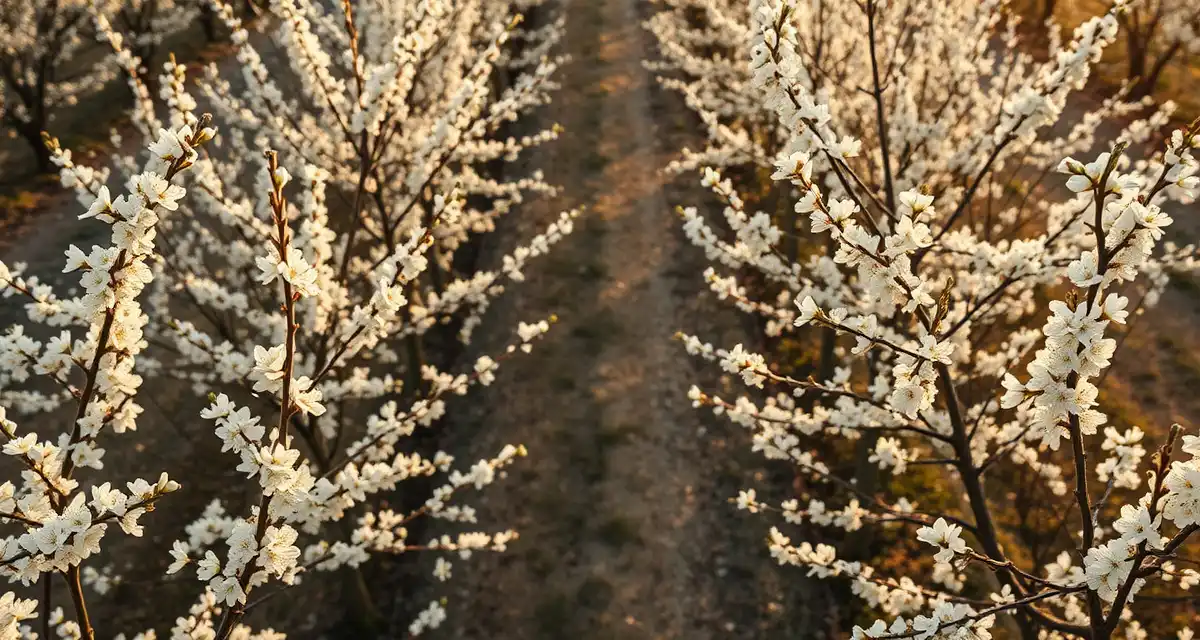
Almond Bloom Timing by Variety: Nonpareil, Butte, Padre, and More
Nonpareil typically blooms 3 to 5 days before Butte and Padre, affecting optimal hive placement timing in orchards that mix these varieties. In a mixed-variety almond orchard, a single placement date based on the "almond bloom" doesn't account for the week-long spread between the earliest and latest varieties in the block. Placing hives when Nonpareil is at 50 percent bloom may mean your colonies arrive after Carmel has already peaked.
PollenOps variety-specific bloom alerts track the major California almond varieties on independent timing tracks calibrated to local weather station data. Your alert for a Nonpareil block fires when Nonpareil conditions are approaching the placement trigger; your alert for a Padre block fires when Padre's development reaches its trigger, typically 3 to 5 days later.
TL;DR
- California almond pollination consumes roughly 80% of the US commercial hive population every February, making it the most supply-constrained pollination market in the country.
- Per-hive rates have held between $185 and $220 for 6-8 frame colonies over recent seasons.
- Contracts are typically signed October through November for the following February season; operators without agreements by December are working from a weak position.
- Hive strength minimums range from 6 to 8 frames of bees depending on the grower, with premium-strength colonies commanding $200-215/hive.
- varroa management, documentation, and logistics coordination in the 6-8 weeks before delivery determine whether almond season is profitable or a breakeven event.
The Major Almond Varieties and Their Bloom Sequence
California's commercial almond industry relies on a set of primary and pollinator varieties that must bloom simultaneously for cross-pollination. The relative bloom timing of these varieties is well characterized:
Nonpareil (early): The most widely planted commercial variety in California and the benchmark for California almond bloom timing. Nonpareil typically blooms first among the major commercial varieties, opening in mid-February in Fresno and Kern counties in most years. All other variety timing is expressed relative to Nonpareil.
Carmel (early to mid, overlaps Nonpareil): One of the primary Nonpareil pollinator varieties, Carmel blooms approximately 1 to 3 days after Nonpareil in most years. The close timing makes it an effective cross-pollinator for Nonpareil.
Butte (mid): A major pollinator variety for Nonpareil plantings, Butte blooms approximately 3 to 5 days after Nonpareil. Still overlaps with Nonpareil's bloom window, providing cross-pollination during the overlap period.
Padre (mid): Blooms close to Butte, approximately 3 to 5 days after Nonpareil. Commonly planted alongside Butte as a dual pollinator for Nonpareil blocks.
Fritz (mid): Another pollinator variety, Fritz blooms in the mid range similar to Butte and Padre.
Winters (mid-late): Blooms later than the main commercial varieties, approximately 5 to 7 days after Nonpareil. Sometimes planted in newer commercial blocks.
Sonora (early, very early): One of the earliest-blooming commercial almond varieties, sometimes blooming before Nonpareil in warm years. Used in some newer commercial plantings.
Independence (self-fertile, mid): Independence is self-fertile and doesn't require a cross-pollinator, but still benefits from bee activity for complete fruit set. Blooms in the mid-season range similar to Butte.
Why Variety Timing Matters for Placement
In a commercial almond orchard with multiple varieties, effective pollination depends on cross-pollination between varieties blooming simultaneously. Bees need to be at the orchard when the cross-pollinator varieties are open, not just when Nonpareil is open. Nonpareil requires pollen from Butte or Carmel to set fruit.
An operator who places hives when their regional alert fires for "almond bloom" and doesn't account for variety mix may deliver hives after the Carmel in the block has already peaked and before the Padre has opened, missing the cross-pollination window for Nonpareil. Variety-specific timing awareness prevents this misalignment.
For mixed-variety orchards, the practical rule is: place hives when the earliest variety is at 10 to 20 percent bloom so bees are actively foraging when both early and mid-season varieties reach peak simultaneously.
Temperature's Effect on Bloom Sequence
The variety bloom sequence is relatively stable in ranking (Nonpareil before Butte before Padre, in most years), but the absolute timing and the gap between varieties can change with year-to-year temperature variation.
In warm El Nino years when February temperatures are above average, the entire bloom season can advance by 5 to 10 days and the variety spread can compress. The gap between Nonpareil and Padre narrows when warm temperatures push all varieties through development quickly. In cold La Nina years, bloom advances slowly and the variety spread can widen.
PollenOps bloom alerts use current-year temperature accumulation rather than historical averages, so your alerts fire on the actual conditions driving this year's development rather than on a fixed calendar date.
For the technical documentation on how bloom alerts are calibrated by variety and location, see almond pollination timing software. For the general bloom alert system documentation, see bloom timing alerts.
Frequently Asked Questions
Which almond variety blooms first in California?
Sonora is among the very earliest commercial almond varieties, sometimes opening before Nonpareil in warm years. Nonpareil is the standard benchmark for California almond bloom and typically blooms first among the main commercial variety mix in most growing seasons. After Nonpareil, the typical bloom sequence runs: Carmel (1 to 3 days after Nonpareil), then Butte and Padre (3 to 5 days after Nonpareil), then Fritz and Winters (5 to 7 days after Nonpareil). The absolute calendar dates shift year to year with temperature, but the relative sequence is consistent. In cold years, the spread between early and late varieties can widen; in warm years, the varieties compress into a shorter overall bloom window.
How do I time hive placement for multiple almond varieties in one orchard?
Place hives when the earliest blooming variety in the orchard is at 10 to 20 percent bloom. This timing puts bees in place before the majority of bloom opens, so they're actively foraging when cross-pollination between early and mid-season varieties is happening at peak. If you place at 30 to 40 percent Nonpareil bloom, you may be delivering after the Carmel has peaked and before the Padre has opened, missing effective cross-pollination. The window from 10 percent Nonpareil bloom to full Padre bloom is approximately 7 to 10 days; placing hives at the early end of this window maximizes coverage of the full cross-pollination period.
Does PollenOps track individual almond variety bloom timing?
Yes. PollenOps variety-specific bloom alerts cover Nonpareil, Carmel, Butte, Padre, Fritz, Winters, Sonora, Independence, and other major commercial almond varieties on independent timing tracks. When you enter an almond contract, you specify the varieties present in the orchard block. PollenOps uses the variety mix and local weather station temperature accumulation to project bloom timing for each variety and fires alerts calibrated to the specific variety development stages rather than a single generic "almond bloom" trigger. For mixed-variety orchards, the alert fires based on the earliest variety reaching the 10 percent bloom threshold, giving you a lead-time alert that accounts for the full variety mix rather than a single average timing.
How early should almond pollination contracts be negotiated?
Large almond growers and broker networks begin securing hive commitments in July and August for the following February season. Written contracts are typically signed October through November. Operators who do not have signed agreements by December are working from a weak position since most quality hive inventory is already committed. Start grower outreach in mid-summer and target signed agreements before Thanksgiving.
What documentation is required for hive delivery to California almonds?
California requires a Certificate of Health for out-of-state colonies, issued by the origin state's apiary inspection program within 30 days of entry. The certificate must certify freedom from American foulbrood, European foulbrood, and Varroa destructor below treatment threshold. Some states require small hive beetle freedom for California entry. In addition, many growers now expect documentation of pre-delivery mite counts confirming colonies are below threshold.
What happens to hives after almond season ends in late March?
Post-almond options include moving north for Pacific Northwest cherry or apple pollination in April-May, routing to Michigan or Maine blueberries in May-July, transitioning to summer honey yards in North Dakota or Montana, or staying in California for splits and rebuilding. The right choice depends on hive strength coming out of almonds and downstream contract commitments. Operators who plan their full-year circuit in advance can optimize both pollination revenue and honey production.
Try These Free Tools
Sources
- USDA Agricultural Research Service
- Bee Informed Partnership
- American Beekeeping Federation (ABF)
- Almond Board of California
- University of California Cooperative Extension
Get Started with PollenOps
Almond season is the revenue event that defines the commercial beekeeping year, and the details -- contract terms, delivery timing, hive strength documentation, and invoicing -- determine whether the season is profitable. PollenOps manages the full almond contract lifecycle from quote to final payment, with yard tracking, crew scheduling, and grower communication built in. See how it works for operations from 200 to 5,000 hives.