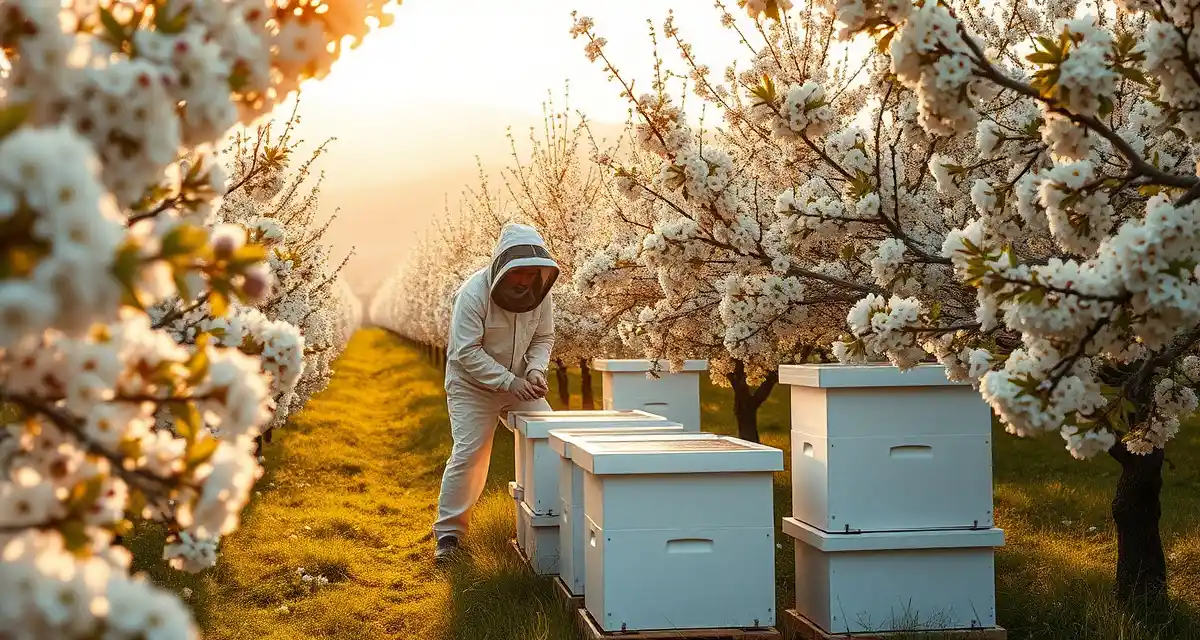
Cherry Bloom Tracking and Pollination Timing
Cherry pollination has less margin for error than almost any other crop you'll work. The sweet cherry bloom window is typically 5-10 days. Miss the window on one orchard while you're managing another and you've got an unhappy grower, a contract compliance question, and a harder renewal conversation in November.
Cherry is also one of the most geographically complex crops for timing. Orchards in the Yakima Valley of Washington may be at pink bud when orchards at higher elevation in the same county are still at bud swell. In the Willamette Valley, tart cherry timing differs from sweet cherry timing in the same orchard row.
Getting cherry bloom tracking right requires elevation-adjusted, crop-specific alerts. A general regional forecast isn't enough.
TL;DR
- Sweet cherry pollination windows in Washington's Yakima Valley typically run 5-10 days in late April to early May, leaving no margin for late delivery.
- Cherry pollination rates range from $80-130 per hive depending on colony strength and demand in a given year.
- Washington State produces over 60% of US sweet cherry volume, making the Yakima-Columbia Basin corridor the center of the commercial cherry pollination market.
- Hive strength requirements for cherry contracts typically specify 6-8 frames of bees.
- Timing coordination with apple pollination season requires careful scheduling since the two crops overlap in some regions.
Why Cherry Timing Is Different from Almond
Almond bloom is concentrated geographically and happens during a relatively predictable late winter window. Cherry is more complicated because:
Cherry orchards span wide elevation ranges. In Central Washington, orchards range from valley floor around 700 feet to mid-slope plantings above 2,000 feet. bloom timing at those elevations can differ by 10-14 days. A beekeeper who places hives in a lower-elevation orchard when they need to be at a higher-elevation site has missed the contract.
Sweet and tart cherry timing differs. Most commercial operations in Washington and Michigan work a mix of both. They don't bloom at exactly the same time, even in adjacent blocks.
Cherry bloom is sensitive to late frosts. An open cherry flower hit by a late spring freeze is a lost cherry. Growers have strong opinions about when hives should be present, and sometimes request earlier placement to encourage the bees to work in marginal conditions.
Bloom is short. Ten days is a generous estimate for sweet cherry. In a warm spring, you can go from pink bud to petal fall in 7 days. Seven days in a cool, cloudy spring where bees aren't flying isn't 7 productive pollination days. It might be 3-4.
How PollenOps Cherry Bloom Alerts Work
PollenOps bloom timing alerts for cherry are elevation-adjusted. The system uses local weather station data and orchard elevation records to generate separate bloom timing estimates for different elevation zones within a region.
In Central Washington, that means the Yakima Valley floor, the mid-slope Rattlesnake Hills area, and the Wenatchee foothills all receive separate bloom timing estimates. Your contracts at each elevation zone are tied to the relevant estimate, so you're not applying a single district-wide forecast to orchards that may bloom a week and a half apart.
You get your cherry alert 5-6 days before projected bloom start at each specific orchard zone. That's enough lead time to coordinate truck schedules and driver assignments for what is often a complex multi-yard move compressed into a tight calendar window.
When Does Cherry Bloom Typically Start in Washington State?
In a normal year:
- Lower Yakima Valley (700-900 ft elevation): late March to early April
- Wenatchee/Columbia Basin (800-1200 ft): early to mid-April
- Mid-slope Yakima orchards (1200-2000 ft): mid to late April
These dates shift by 7-14 days in either direction depending on winter chilling hours and spring temperature accumulation. In a warm year, lower Yakima valley bloom may start in the third week of March. In a cold year with a late spring, it can push into the second week of April.
Oregon's Willamette Valley cherry bloom typically runs 2-3 weeks behind the Yakima Valley's lower elevations, in the range of mid-to-late April in normal years.
How Does Elevation Affect Cherry Bloom Timing?
The rule of thumb for tree fruit bloom is approximately a 3-4 day delay for every 1,000 feet of elevation gain, though this varies by microclimate, slope aspect (south-facing slopes bloom earlier than north-facing), and local air drainage patterns.
Practically speaking, if you have a contract at an orchard at 800 feet and another at an orchard at 2,000 feet with the same grower, you're likely looking at a 10-15 day gap between when you need bees at each location. That's often enough time to move bees from the lower site to the upper site after the lower orchard's bloom is complete.
Experienced cherry beekeepers plan multi-elevation routes that let them cascade hives from lower orchards to higher orchards as the season progresses. PollenOps move planning tools show the timing alignment between contracts so you can see whether a cascade schedule is feasible before you commit.
How Do I Time Hive Moves Across Cherry Orchards at Different Elevations?
The key is having bloom estimates for each elevation zone before the season starts, then updating your plan as the estimates sharpen in the 2-3 weeks before bloom.
A typical multi-elevation cherry plan might look like:
- Deliver lower valley hives (April 1, triggered by bloom alert for 800 ft zone)
- Assess lower valley orchard status after 4-5 days
- Move upper valley hives while lower valley bees continue working (April 10-12)
- Retrieve lower valley hives as that orchard approaches petal fall (April 14-16)
- Deliver any remaining hives to highest elevation sites (April 18-20)
Your cherry pollination contract software should make the timing dependencies between these moves visible, so you're not relying on memory and a paper calendar to coordinate a 20-day sequence of moves across 5 or 6 yards.
Working Cherry in the Rain
Cherry bloom in the Pacific Northwest often comes with April rain, and bees don't fly well in cold, wet conditions. This is one reason early placement (before bloom, not just at bloom start) is valuable for cherry. Colonies that arrived early, oriented to the orchard, and began working in any available flight windows will be more effective during brief weather breaks than colonies that just arrived.
When a week of rain is forecast during peak cherry bloom, experienced beekeepers sometimes negotiate with growers about what constitutes satisfactory contract performance. Having documentation of delivery timing, hive count, and strength scores in your contract record matters enormously during these conversations.
Frequently Asked Questions
When does cherry bloom typically start in Washington State?
In a normal year, lower Yakima Valley orchards (700-900 ft elevation) see cherry bloom start in late March to early April. Wenatchee area orchards begin in early to mid-April. Higher elevation orchards (1,200-2,000 ft) bloom mid to late April. These dates shift by 7-14 days in warm or cold years. PollenOps provides elevation-adjusted estimates for each orchard zone, not a single regional forecast.
How does elevation affect cherry bloom timing?
Cherry bloom is delayed by approximately 3-4 days for every 1,000 feet of elevation gain, though slope aspect and local microclimate can modify this significantly. A south-facing 2,000-foot orchard may bloom earlier than a north-facing 1,500-foot orchard. PollenOps cherry bloom estimates account for local weather station data and orchard elevation to generate zone-specific timing projections.
How do I time hive moves across cherry orchards at different elevations?
Plan a cascade schedule: deliver to lower elevation orchards first when your bloom alert fires for that zone, then move to higher elevations as lower sites approach petal fall. Track the timing of each zone's bloom estimate in your contract calendar so the cascade sequence is visible weeks in advance. PollenOps shows the timing alignment between all your cherry contracts so you can identify whether a cascade is logistically feasible for your truck schedule.
How tight is the pollination window for sweet cherries?
Sweet cherry bloom is notoriously narrow, typically lasting 5-10 days under normal weather conditions. Rain, cold temperatures, or wind during bloom can compress the effective pollination window further. Late-arriving hives or hives that need several days to orient after transport may miss a significant portion of the receptive bloom window. Delivery 1-2 days before anticipated bloom opening is the standard target for cherry contracts.
What are the hive strength requirements for cherry pollination?
Commercial cherry contracts typically require 6-8 frames of bees at delivery. Strong colonies forage more aggressively in cherry orchards and have better cold-weather foraging capability, which matters given that Pacific Northwest cherry bloom can occur in marginal temperature conditions. Premium cherry contracts at the higher end of the rate range typically specify 8-frame minimum colonies.
How does cherry pollination coordinate with apple pollination in Washington State?
Washington sweet cherry bloom typically runs April 20 to May 10 in the Yakima Valley and Columbia Basin, while apple bloom runs May 1 to May 20 at lower elevations. The overlap means operators working both crops need to sequence deliveries carefully, since some hives will need to move from cherry to apple within the same 2-week window. Staging yards between the Yakima Valley and the north Cascades fruit growing districts facilitate these moves.
Try These Free Tools
Sources
- USDA Agricultural Research Service
- Bee Informed Partnership
- American Beekeeping Federation (ABF)
- Washington State University Extension
- Northwest Cherry Growers
Get Started with PollenOps
Cherry pollination leaves no margin for scheduling errors when the bloom window runs 5-10 days. PollenOps keeps your contract terms, hive assignments, and fleet logistics in one system so every piece of the operation is aligned before the window opens.