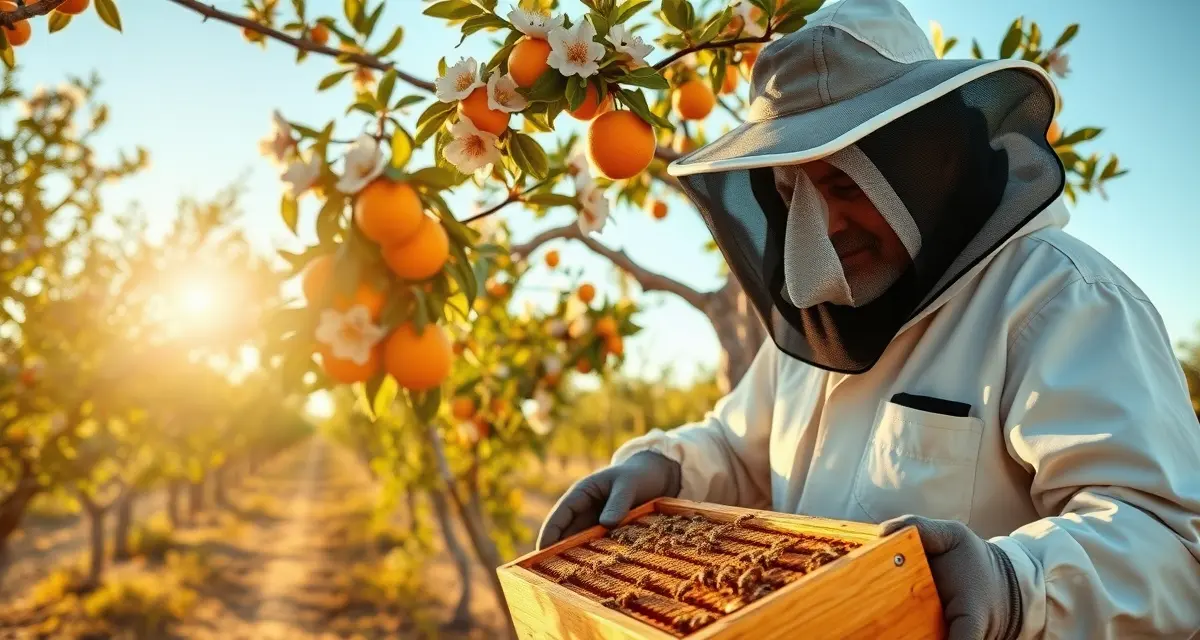
Citrus Pollination in Arizona: Yuma and Maricopa County Opportunities
Arizona citrus bloom runs November through January, offering winter income for beekeepers positioned in the state during the months when most of the country's commercial operations are in winter management mode. Arizona's grapefruit and navel orange acreage in Yuma County concentrates significant citrus demand in one geography, making it an accessible market for operators whose winter yard strategy already brings them through the Southwest.
The economics of Arizona citrus pollination are tied to your broader winter positioning rather than a dedicated citrus circuit. If you're wintering colonies in Arizona's warm climate for cost or survival reasons, adding citrus contracts to cover your maintenance and transportation costs for the season makes sound business sense. If you're not already in Arizona, the citrus rates alone may not justify the trip from other regions.
TL;DR
- Arizona's primary commercial beekeeping role is shaped by its crop mix, climate, and position on the national pollination circuit.
- Pollination rates in Arizona range $65-220/hive depending on crop depending on crop and colony strength requirements.
- Out-of-state operators entering Arizona for pollination contracts must register with the state agricultural authority and obtain a Certificate of Health.
- Arizona functions as either a primary pollination destination, a seasonal honey production location, or a transitional stop depending on the circuit.
- Tracking permit status, registration documents, and yard records for Arizona operations requires organized record-keeping before the season opens.
Arizona Citrus Geography
Yuma County in the far southwest corner of the state is the center of Arizona's commercial citrus production. The county's desert climate, dependable winter sunshine, and extensive irrigation infrastructure from the Colorado River support large-scale citrus production. Navel oranges and grapefruit dominate, with some tangelo and specialty citrus in smaller acreage.
Maricopa County, the Phoenix metro area, has significant suburban and semi-commercial citrus production but is a less formalized pollination market. Some large Maricopa County operations do contract for bees, but the market is less concentrated than Yuma and requires more individual outreach.
The I-8 corridor connecting Yuma to Phoenix gives you access to both markets without major route complications. Operators positioning winter colonies along this corridor can cover citrus pollination in Yuma County and honey production or holding yards in the Phoenix area simultaneously.
Citrus Pollination Biology
Most commercial navel orange and grapefruit varieties are self-fruitful and don't require cross-pollination for fruit set. However, bee foraging activity during bloom improves fruit set rates, fruit size uniformity, and in some varieties reduces parthenocarpic development that growers find less desirable. The degree to which managed pollination improves yields varies by variety, orchard history, and local native pollinator populations.
Some citrus varieties, particularly mandarins and specialty citrus, genuinely benefit from cross-pollination and pay for managed hives with clearer agronomic justification. If you can identify growers growing mandarin or specialty citrus at commercial scale, the case for your service is stronger and the willingness to pay is higher.
For standard navel and grapefruit, your pitch to growers should emphasize yield consistency and fruit set uniformity rather than pure pollination necessity. Frame your service as yield insurance and documentation of good agricultural practice rather than a required input.
Getting Contracts in Yuma County
The Yuma County Agricultural Water Users Association and the Arizona Farm Bureau's Yuma County chapter are good starting points for grower contacts. The Yuma agriculture community is tight-knit, and a recommendation from one grower carries significant weight with others. Your first Yuma contact is the most important.
For direct outreach, the Yuma County Cooperative Extension office maintains a list of commercial citrus producers in the county. Direct mail or email to operations over 100 acres is feasible, and November outreach gives growers time to evaluate a new supplier before bloom. Include your apiary registration, current inspection certificate, and a sample contract in your initial contact.
Make sure your Arizona commercial beekeeping compliance paperwork is current before approaching Yuma growers. Arizona's apiary registration and import requirements apply to out-of-state operators, and demonstrating compliance upfront is part of the professional presentation that separates you from informal suppliers. The Florida citrus pollination market offers a useful comparison for understanding how organized citrus pollination contracts are structured.
Colony Strength and Winter Management
Arizona winter temperatures are mild enough that colonies can forage year-round in Yuma, which is one of the advantages of wintering there. Citrus bloom provides a meaningful early-season forage source that helps colonies maintain strength through winter without as much supplemental feeding as colder climates require.
Citrus growers typically require 6 to 8 frames of bees at delivery. The November through January bloom timing means your colonies should be in mid-winter population, typically lower than spring or summer peaks. Make sure your contracted hive count accounts for realistic winter population levels rather than peak-season strength assessments.
Running pre-move inspections 3 to 5 days before delivery is particularly important for winter placements where colony condition can shift with temperature changes. A colony that looked strong after a warm week in December may be tighter after a cold front.
Rates and Contract Terms
Arizona citrus pollination rates run $80 to $120 per hive depending on variety, acreage, and location. Grapefruit placements may run slightly lower than mandarin or specialty citrus given the lower agronomic necessity argument. Rates reflect both the crop's economics and the winter timing when fewer competing demands exist for your hive inventory.
Sign contracts in October for November and December placements. Include a bloom-stage trigger for placement rather than a fixed calendar date, since Arizona citrus bloom can vary by several weeks depending on temperature patterns. Payment terms of net-30 after placement work well for this market.
Frequently Asked Questions
How do you get citrus pollination contracts in Arizona?
Contact the Yuma County Agricultural Water Users Association and Arizona Farm Bureau's Yuma County chapter for grower connections. The Yuma citrus community is tight-knit and referral-driven, so your first relationship there is the key to access. The Yuma County Cooperative Extension office maintains commercial producer directories. For direct outreach, target operations over 100 acres with November contact to allow growers time to consider you before bloom. Include your apiary registration, current inspection certificate, and a sample contract in your initial outreach.
When does citrus bloom in Arizona?
Arizona citrus bloom runs November through January, with Yuma County's warm desert winter supporting earlier and longer bloom seasons than most other US citrus regions. Navel oranges typically bloom December through January, while grapefruit bloom can start in November in warm years. Specialty citrus varieties and mandarins vary. The mild Yuma County climate means bloom timing is less dependent on chilling hours than in Florida or California, but temperature patterns still affect exact timing from year to year.
What colony strength do Arizona citrus growers require?
Most Arizona citrus growers require 6 to 8 frames of bees at delivery with an active queen. Winter colony population levels run lower than spring or summer peaks, so set your contracted hive counts based on realistic winter strength rather than peak-season assessments. Conduct pre-move inspections 3 to 5 days before delivery since winter colony condition can shift with temperature changes. Arizona's year-round foraging climate means your colonies should maintain reasonable condition through winter if they're not being over-stressed, but inspect before every commercial placement regardless.
What is the process for registering an out-of-state apiary in a new state?
Most states require out-of-state operators to register with the state department of agriculture apiary program before placing colonies. The process typically involves submitting a registration application (online or paper), paying a fee (usually $10-50 per location), and providing contact information for the operation. Some states also require the registration to be renewed annually. Contact the destination state's department of agriculture apiary program at least 60 days before your planned arrival to confirm current requirements.
What documentation do state apiary inspectors typically review?
State apiary inspectors review health certificates for out-of-state colonies, registration documentation, and colony inspection records during apiary visits. Inspectors check for signs of American foulbrood, European foulbrood, and other regulated pests and diseases. Operations with organized digital records that include treatment history and mite counts typically have faster, less complicated inspections than operations without documentation. Some state inspectors also verify that varroa mite loads are below state entry thresholds.
What triggers a state apiary inspection?
State apiary inspections can be triggered by routine inspection schedules (most states inspect a percentage of registered apiaries annually), neighbor or landowner complaints, disease reports from nearby operations, or inspection requirements tied to state entry permits. California, in particular, has the right to inspect incoming loads at port of entry for commercial beekeeping operations. Maintaining current registration and organized records makes required inspections faster and less disruptive.
Try These Free Tools
Sources
- USDA Agricultural Research Service
- Bee Informed Partnership
- American Beekeeping Federation (ABF)
- Arizona Department of Agriculture
- Project Apis m.
Get Started with PollenOps
Commercial operations working in Arizona face the same registration, permit, and documentation requirements as any state on the national circuit -- plus Arizona's specific regulatory requirements. PollenOps tracks your Arizona yard records, contract assignments, and permit documentation alongside your full operation, so entering a new state doesn't add a separate administrative burden. See how the platform fits operations working across multiple states.