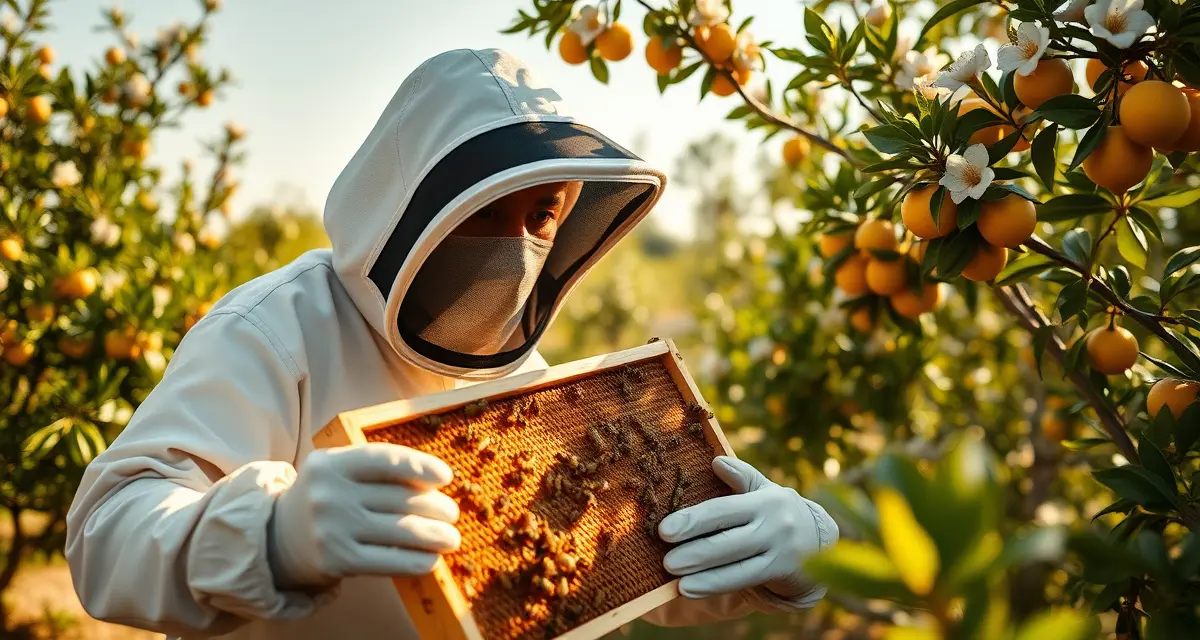
Florida Citrus Pollination Regulatory Requirements for Beekeepers
Florida requires a certificate of inspection for all colonies entering the state, and Florida citrus pesticide protocols require grower notification to beekeepers before applications. Florida's citrus industry has faced significant disease pressure in recent decades, which has increased the importance of careful colony management and regulatory compliance for visiting operators.
TL;DR
- Florida's primary commercial beekeeping role is shaped by its crop mix, climate, and position on the national pollination circuit.
- Pollination rates in Florida range $65-220/hive depending on crop depending on crop and colony strength requirements.
- Out-of-state operators entering Florida for pollination contracts must register with the state agricultural authority and obtain a Certificate of Health.
- Florida functions as either a primary pollination destination, a seasonal honey production location, or a transitional stop depending on the circuit.
- Tracking permit status, registration documents, and yard records for Florida operations requires organized record-keeping before the season opens.
Florida State Entry Requirements
Florida Department of Agriculture and Consumer Services (FDACS) Certificate of Inspection: Florida requires a certificate of inspection for all colonies entering the state from out of state. This is one of the stricter entry requirements in the Southeast. Florida's island-like agricultural biosecurity posture reflects the state's extensive regulated pest and disease status.
The certificate of inspection must be:
- Issued by your home state's department of agriculture or authorized state apiary inspector
- Current at the time of entry (within 30 days)
- Accompanying the shipment at the point of entry
The certificate confirms colonies are free of American Foulbrood, small hive beetle (if your state is not already an SHB state), and other regulated conditions.
Florida Apiary Registration: Out-of-state operators bringing colonies into Florida must register with FDACS Division of Plant Industry. Registration is required before placing hives.
Florida apiary inspection: Florida apiary inspectors are active and may inspect colonies at the point of entry on Florida roads or at the yard. Florida takes incoming colony inspection seriously. Having your certificate and registration in order before crossing the state line is essential.
Contact FDACS Division of Plant Industry annually to confirm current entry requirements, as Florida's agricultural biosecurity requirements can change.
Small Hive Beetle Considerations
Small hive beetle (Aethina tumida) is established throughout Florida and the Southeast. If your colonies are from a Northern state not yet experiencing heavy SHB pressure, be aware:
- Florida conditions (warm, humid) allow SHB to reproduce rapidly in weakened colonies
- Strong colonies manage SHB effectively; weak colonies can be destroyed by SHB infestations
- Bring colonies into Florida that are strong enough to manage SHB pressure
- Monitor SHB trap levels after arrival, as early detection allows management before populations overwhelm colonies
This isn't a regulatory requirement, but it's practical advice that prevents colony losses in Florida environments.
Florida Citrus Pollination Context
Florida citrus has been severely impacted by citrus greening (Huanglongbing, HLB), a bacterial disease spread by the Asian citrus psyllid. HLB has reduced Florida citrus acreage substantially over the past two decades.
The remaining Florida citrus industry still values bee pollination for certain varieties, particularly tangerines and some specialty citrus that benefits from cross-pollination. The pollination market for Florida citrus is smaller than it was 20 years ago, but it still exists.
Pesticide Protocols in Florida Citrus
Florida citrus pest management involves both the primary citrus pests and extensive psyllid management programs related to HLB management. Psyllid management uses insecticide applications that can be hazardous to bees.
Asian citrus psyllid management: Psyllid management is a year-round program in Florida citrus. Applications may include neonicotinoids and other insecticides. During bloom, applications should be restricted or scheduled around bee activity.
Notification requirements: Florida's pesticide regulations require advance notification to registered beekeepers before applying pesticides with bee hazard ratings. Your contract should specify:
- Minimum 48-hour advance notice before any insecticide application during bloom
- Required phone and text confirmation
- Prohibited application windows during active citrus bloom
- Documentation of any application events
Citrus bloom timing: Florida citrus blooms primarily in late winter through early spring: January through March in South Florida, somewhat later in Central Florida. The warm Florida winter means bloom timing is earlier than most other pollinated crops in the US.
For pesticide event documentation protocol, see pesticide exposure documentation.
For Florida-specific compliance beyond citrus, see commercial beekeeping in Florida regulations.
Frequently Asked Questions
What certificates are required to operate in Florida citrus groves?
All out-of-state operators must have a certificate of inspection issued by their home state's department of agriculture within 30 days of entry into Florida. The certificate confirms colonies are free of regulated conditions including American Foulbrood. Florida apiary inspectors may stop trucks at the state line or inspect at the yard. Your certificate must be with the shipment. Register with FDACS Division of Plant Industry before placing hives. Contact FDACS annually to confirm current entry requirements. Florida has one of the stricter state-entry frameworks for bees in the Southeast, reflecting the state's agricultural biosecurity posture.
What pesticide notification requirements apply in Florida citrus?
Florida requires advance notification to registered beekeepers before applying pesticides with bee hazard ratings. In citrus, psyllid management programs involve insecticide applications that are hazardous to bees. These should be restricted during active citrus bloom. Your contract should specify 48-hour minimum advance notice, phone and text notification requirements, and prohibited application windows during bloom. Florida citrus growers managing HLB are under significant economic pressure, which can create tension between aggressive pest management and pollinator protection. Clear contract terms established before bloom protect both parties.
How do you register for Florida apiary operations seasonally?
Register with Florida FDACS Division of Plant Industry before bringing colonies into the state. The registration process requires your contact information, colony count, and intended apiary locations. FDACS maintains an online registration system. For seasonal out-of-state operators, registration is required each year and doesn't automatically carry over. Complete registration well before your planned arrival date to avoid compliance delays. Your grower contact may be able to provide local regulatory contact information for the county where your citrus yards will be located.
What is the process for registering an out-of-state apiary in a new state?
Most states require out-of-state operators to register with the state department of agriculture apiary program before placing colonies. The process typically involves submitting a registration application (online or paper), paying a fee (usually $10-50 per location), and providing contact information for the operation. Some states also require the registration to be renewed annually. Contact the destination state's department of agriculture apiary program at least 60 days before your planned arrival to confirm current requirements.
What documentation do state apiary inspectors typically review?
State apiary inspectors review health certificates for out-of-state colonies, registration documentation, and colony inspection records during apiary visits. Inspectors check for signs of American foulbrood, European foulbrood, and other regulated pests and diseases. Operations with organized digital records that include treatment history and mite counts typically have faster, less complicated inspections than operations without documentation. Some state inspectors also verify that varroa mite loads are below state entry thresholds.
What triggers a state apiary inspection?
State apiary inspections can be triggered by routine inspection schedules (most states inspect a percentage of registered apiaries annually), neighbor or landowner complaints, disease reports from nearby operations, or inspection requirements tied to state entry permits. California, in particular, has the right to inspect incoming loads at port of entry for commercial beekeeping operations. Maintaining current registration and organized records makes required inspections faster and less disruptive.
Try These Free Tools
Sources
- USDA Agricultural Research Service
- Bee Informed Partnership
- American Beekeeping Federation (ABF)
- Florida Department of Agriculture
- Project Apis m.
Get Started with PollenOps
Commercial operations working in Florida face the same registration, permit, and documentation requirements as any state on the national circuit -- plus Florida's specific regulatory requirements. PollenOps tracks your Florida yard records, contract assignments, and permit documentation alongside your full operation, so entering a new state doesn't add a separate administrative burden. See how the platform fits operations working across multiple states.