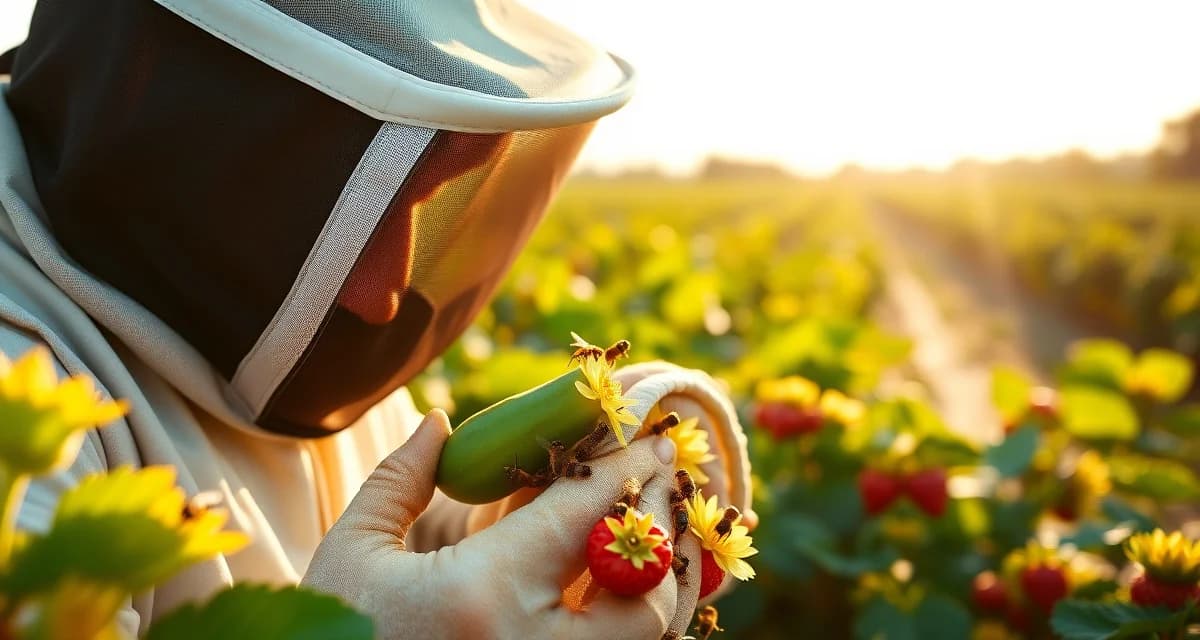
Vegetable Pollination in Florida: Winter Vegetable and Berry Crops
Florida produces over 70 percent of US winter vegetables, making the state the dominant winter market for managed pollination services. Florida winter vegetable pollination runs October through March, with peak demand from November through February when most of the country's produce supply depends on Florida's output. For migratory beekeepers wintering in the state, vegetable pollination contracts can provide sustained income across the entire winter positioning period.
The crop diversity in Florida's winter vegetable market is noteworthy: tomatoes, cucumbers, squash, watermelon, peppers, and berry crops all require or benefit from managed pollination. An operator positioned in south Florida through the winter can potentially sequence multiple crop contracts across the same hive locations as different crops come into bloom on staggered schedules.
TL;DR
- Florida's primary commercial beekeeping role is shaped by its crop mix, climate, and position on the national pollination circuit.
- Pollination rates in Florida range $65-220/hive depending on crop depending on crop and colony strength requirements.
- Out-of-state operators entering Florida for pollination contracts must register with the state agricultural authority and obtain a Certificate of Health.
- Florida functions as either a primary pollination destination, a seasonal honey production location, or a transitional stop depending on the circuit.
- Tracking permit status, registration documents, and yard records for Florida operations requires organized record-keeping before the season opens.
Florida Vegetable Geography
South and central Florida dominate winter vegetable production. Miami-Dade County is the state's primary winter vegetable county, with significant tomato, squash, and bean production. Collier and Hendry counties in the southwest add substantial production. Palm Beach County on the east coast is a major tomato and pepper producer. Hillsborough County's Gulf coast area near Ruskin produces significant tomatoes and strawberries.
The Immokalee area in Collier County is particularly notable as one of the largest fresh tomato production areas in the country. Many large commercial vegetable operations in southwest Florida are managed by major agricultural companies with professional input management programs, making them viable targets for formal pollination contract proposals.
Cucurbit Pollination in Florida Winter
Cucumbers, squash, and watermelon all require bee pollination for fruit set, and Florida's winter production schedule creates early-season demand. Florida winter cucumbers in Miami-Dade County can be harvested as early as November through December, with bloom requiring hive placement from October onward.
Florida's winter watermelon season, particularly in the Collier and Hendry County areas, runs February through April, creating a spring positioning opportunity for operators already in the state for citrus or early blueberry. The proximity of winter vegetable, citrus, and early blueberry markets in south and central Florida makes cross-crop sequencing very practical for well-organized operations.
Hive requirements for Florida cucurbits follow the same general standards as other states: 1 to 2 hives per acre for cucumbers and squash, with seedless watermelon potentially requiring higher density for pollenizer pollen delivery.
Strawberry Pollination in Florida
Florida strawberry production, centered in Hillsborough County around Plant City and Dover, represents a distinct pollination opportunity that runs primarily November through March. Florida is the second-largest US strawberry state by production volume during the winter season when California production is reduced.
Strawberry pollination requires bee visits to perfectly formed fruit development. Inadequately pollinated strawberries develop misshapen, "cat-faced" fruit that cannot be sold at fresh market prices. Commercial strawberry growers who sell to fresh market channels have strong financial incentive to contract for managed pollination.
The Hillsborough County Farm Bureau and the Florida Strawberry Growers Association are your primary contacts for the Plant City strawberry market. Strawberry pollination rates run $100 to $140 per hive, slightly higher than general vegetable rates reflecting the crop's value and the growers' motivation to protect fruit quality.
Getting Winter Vegetable Contracts
The Florida Fruit and Vegetable Association and county Farm Bureaus for Miami-Dade, Collier, and Palm Beach counties are good starting points. Direct outreach to commercial operations over 100 acres in the main production areas is viable in August and September for October and November placements.
Many large Florida vegetable operations have existing beekeeper relationships, and the path to new contracts is often through grower referrals. If you can establish one strong reference grower who manages high-volume commercial production, their recommendation carries significant weight with neighboring operations.
Florida apiary registration and health certificate requirements for out-of-state operators should be confirmed before making grower contact. Use PollenOps cucumber and squash contract management to generate a professional proposal, and reference your Florida commercial beekeeping compliance documentation in your outreach.
Colony Management for Florida Winter
Florida's subtropical climate makes winter colony management significantly different from northern operations. Colonies in south Florida don't enter the hard cluster that characterizes winter colonies in cold climates, and they continue building year-round with access to forage or supplemental feeding.
This is both an advantage and a management challenge. Colonies that continue building year-round in Florida's warm climate can also build mite populations continuously without the brood break that cold northern winters provide naturally. varroa management in Florida operations requires year-round monitoring rather than the fall-treatment approach many northern beekeepers use.
If you're wintering in Florida for the first time from a northern operation, treat varroa before Florida entry or upon arrival and maintain monitoring through your entire winter positioning period. Florida's warm, productive environment is hard on untreated colonies over a full winter season.
Rates and Contract Terms
Florida winter vegetable pollination rates run $70 to $110 per hive for most cucurbits and tomatoes. Strawberry runs $100 to $140. The extended October-through-March season creates an opportunity for multiple placement fees per hive location if you can sequence contracts.
Sign contracts in August or September for October placements, with later-season contracts handled in November for December and January placements. Net-30 payment after placement is standard. Deposits of 25 percent at signing secure your seasonal commitments and provide working capital for your winter positioning costs.
Frequently Asked Questions
How do you get vegetable pollination contracts in Florida?
Contact the Florida Fruit and Vegetable Association and county Farm Bureaus for Miami-Dade, Collier, Hillsborough, and Palm Beach counties, which are the main winter vegetable production areas. Direct outreach to commercial operations over 100 acres in the main production areas in August or September reaches growers before they finalize winter arrangements. Lead with your strength documentation and professional contract proposal. For strawberry specifically, contact the Florida Strawberry Growers Association and target operations in Hillsborough County's Plant City and Dover areas.
When is winter vegetable pollination season in Florida?
Florida winter vegetable pollination runs October through March, with peak demand from November through February. Early cucumber and squash contracts in Miami-Dade County can start in October, while strawberry in Hillsborough County peaks from December through February. Winter watermelon in southwest Florida runs February through April. The season's breadth allows operators positioned in Florida through the winter to sequence multiple crop contracts from the same yard locations, generating substantially more per-winter revenue than a single crop would provide.
What colony strength do Florida vegetable growers require?
Most Florida vegetable growers require 6 to 8 frames of bees at delivery with an active laying queen. Florida's year-round warm climate means colonies maintain active populations through winter, but you should still conduct pre-move inspections 3 to 5 days before delivery and document colony strength at placement. Strawberry growers may specify higher minimum strength requirements given the fruit quality implications of inadequate pollination. Ensure varroa management is current before winter Florida operations, since the warm climate supports continuous mite population growth through the season.
What is the process for registering an out-of-state apiary in a new state?
Most states require out-of-state operators to register with the state department of agriculture apiary program before placing colonies. The process typically involves submitting a registration application (online or paper), paying a fee (usually $10-50 per location), and providing contact information for the operation. Some states also require the registration to be renewed annually. Contact the destination state's department of agriculture apiary program at least 60 days before your planned arrival to confirm current requirements.
What documentation do state apiary inspectors typically review?
State apiary inspectors review health certificates for out-of-state colonies, registration documentation, and colony inspection records during apiary visits. Inspectors check for signs of American foulbrood, European foulbrood, and other regulated pests and diseases. Operations with organized digital records that include treatment history and mite counts typically have faster, less complicated inspections than operations without documentation. Some state inspectors also verify that varroa mite loads are below state entry thresholds.
What triggers a state apiary inspection?
State apiary inspections can be triggered by routine inspection schedules (most states inspect a percentage of registered apiaries annually), neighbor or landowner complaints, disease reports from nearby operations, or inspection requirements tied to state entry permits. California, in particular, has the right to inspect incoming loads at port of entry for commercial beekeeping operations. Maintaining current registration and organized records makes required inspections faster and less disruptive.
Try These Free Tools
Sources
- USDA Agricultural Research Service
- Bee Informed Partnership
- American Beekeeping Federation (ABF)
- Florida Department of Agriculture
- Project Apis m.
Get Started with PollenOps
Commercial operations working in Florida face the same registration, permit, and documentation requirements as any state on the national circuit -- plus Florida's specific regulatory requirements. PollenOps tracks your Florida yard records, contract assignments, and permit documentation alongside your full operation, so entering a new state doesn't add a separate administrative burden. See how the platform fits operations working across multiple states.