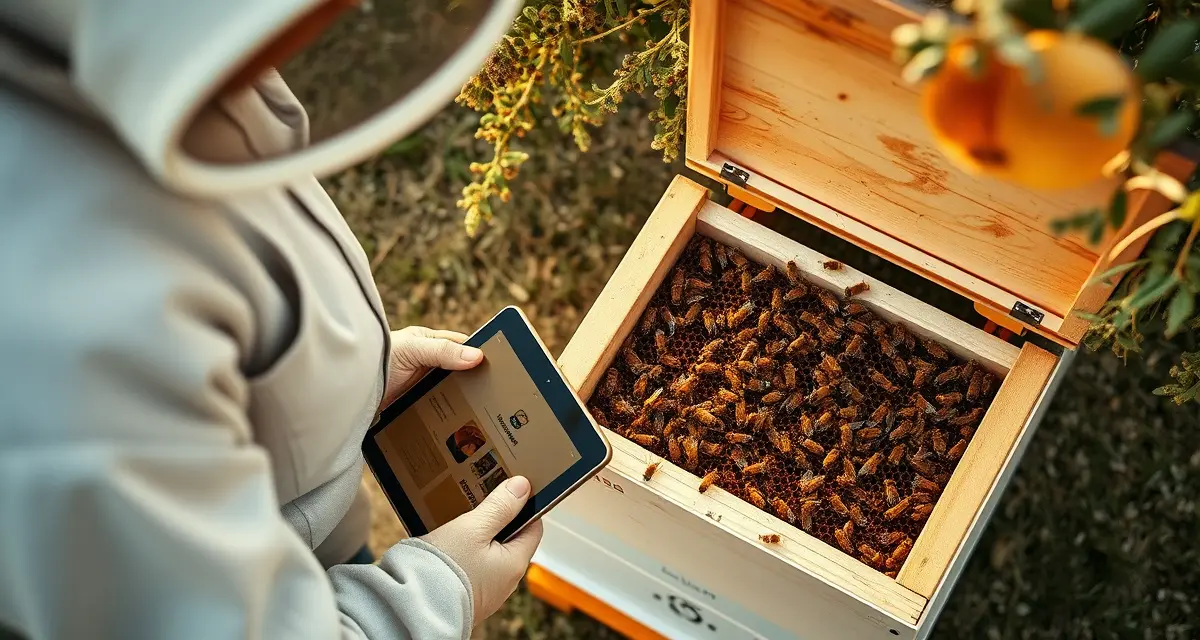
How One Almond Beekeeper Eliminated Contract Disputes with PollenOps
An 800-hive California almond pollination operation had seven contract disputes in the season before switching to PollenOps. Some involved growers claiming fewer hives were delivered than contracted. Others involved disputes over invoice amounts tied to contested delivery dates. One became a formal legal negotiation. The combined cost of those disputes, in disputed payment amounts, legal fees, and time spent in back-and-forth communication, was estimated at $32,000 in the first season with PollenOps, that number dropped to zero.
GPS delivery logs proved hive count in three of the previous seven annual disputes for this beekeeper, and those were the disputes that cost the most to resolve. When the only evidence available was the driver's word versus the grower's word, negotiations dragged for weeks and often settled in the middle rather than in the beekeeper's favor.
TL;DR
- California almond pollination consumes roughly 80% of the US commercial hive population every February, making it the most supply-constrained pollination market in the country.
- Per-hive rates have held between $185 and $220 for 6-8 frame colonies over recent seasons.
- Contracts are typically signed October through November for the following February season; operators without agreements by December are working from a weak position.
- Hive strength minimums range from 6 to 8 frames of bees depending on the grower, with premium-strength colonies commanding $200-215/hive.
- varroa management, documentation, and logistics coordination in the 6-8 weeks before delivery determine whether almond season is profitable or a breakeven event.
What the Disputes Looked Like Before PollenOps
The pattern was consistent enough to predict. A delivery would go to an almond orchard in Fresno or Kern County. The driver would place hives according to verbal instructions from the orchard foreman. The grower's accounts payable would later claim the count on the invoice didn't match what they had counted. The beekeeper had no independent, timestamped, GPS-verified record of what was placed where.
Without that documentation, settling the dispute meant either accepting the grower's number, arguing from memory, or paying an attorney. In three cases out of seven, the beekeeper accepted a reduced payment rather than fight a dispute with no documentation beyond the invoice itself. In the fourth case, legal fees to recover a $6,200 disputed invoice cost the beekeeper $2,100 in attorney time.
The root problem wasn't the growers. Most of them were acting in good faith based on their own imperfect records. The problem was symmetric documentation: both sides relied on informal records, and when those records disagreed, there was no authoritative source to resolve the conflict.
How GPS Documentation Changed the Dynamic
After switching to PollenOps, every hive placement was logged with GPS coordinates, a timestamp, a photo confirmation, and a driver signature. The delivery record was automatically uploaded to the PollenOps cloud and shared with the grower through the grower portal within an hour of placement.
The grower didn't need to trust the beekeeper's count. They could pull up the delivery record from their own phone or desktop, see exactly which GPS coordinates each cluster of hives was placed at, and compare it to their orchard map. The timestamp confirmed when delivery occurred relative to the contracted bloom timing. The photo documentation showed the hive count visible in each placement cluster.
When a grower's accounting department questioned an invoice after the first season with PollenOps, the beekeeper emailed a link to the grower portal delivery report. The grower reviewed the GPS log and photo documentation, confirmed the count matched the delivery record, and paid the invoice without further discussion. The resolution took 20 minutes rather than three weeks.
Specific PollenOps Features That Made the Difference
Three specific features drove the dispute elimination outcome:
GPS yard tracking with timestamped delivery records. Every move is logged at the moment of placement with GPS coordinates. This creates an independent, tamper-proof record that neither party controls after the fact.
Automated grower delivery report. The grower-facing delivery report is generated automatically within an hour of hive placement and shared directly with the grower contact on file. The grower has the record before they've finished reviewing their end of the delivery themselves.
PollenOps grower portal access. Growers log in to a portal where they can see their contracts, delivery history, and invoices in one view. The transparency of giving growers access to the same records you're looking at eliminates the information asymmetry that makes disputes possible.
The hive count verification process in PollenOps links the driver's field count directly to the contract obligation, so any discrepancy between contracted count and delivered count flags immediately rather than appearing on the invoice.
The Pre-Move Strength Assessment Piece
Beyond delivery documentation, the beekeeper also adopted PollenOps pre-move strength assessments as part of the contract workflow. For each California almond contract, the system generates a pre-move checklist that requires field documentation of colony strength 48 to 72 hours before movement.
This added value in two ways. First, it caught understrength colonies before delivery, allowing the beekeeper to swap out weak hives and replace them with stronger ones rather than delivering a mixed-strength load and hoping the grower didn't notice. Second, it created documentation that the delivered colonies met the contracted strength specification at the time of delivery, which is a different and harder to dispute record than just claiming the colonies were strong.
For pollination service invoicing, the pre-move strength data attached to the invoice strengthened the beekeeper's position in any billing discussion. The invoice wasn't just a number; it was backed by documented delivery evidence and strength certification.
The Financial Impact
The estimated $32,000 saved in the first PollenOps season came from three sources: avoided disputed invoice write-downs ($18,000), avoided legal fees ($4,000), and avoided time cost of dispute management estimated at $10,000 for the operator and their office manager over the course of the season.
The PollenOps Pro plan at $299 per month costs $3,588 per year. The first-season ROI on that investment was roughly 9x, counting only the dispute-related savings. The additional operational efficiencies from automated invoicing and reduced administrative overhead contributed further value that's harder to quantify but real.
The beekeeper has now renewed PollenOps Pro for three consecutive seasons and has expanded their almond contract portfolio by two additional growers who were referred by existing clients impressed by the delivery documentation system.
Frequently Asked Questions
How did GPS documentation eliminate contract disputes for this beekeeper?
GPS delivery logs created a timestamped, independently verifiable record of where hives were placed, when they arrived, and how many were in each cluster. When growers received automated delivery reports through the PollenOps portal within an hour of placement, they had the same information the beekeeper had. Disputes that previously depended on one party's word against another's were replaced with shared documentation that both sides could review. The beekeeper went from seven disputes in the prior season to zero in year one with PollenOps.
What specific PollenOps features did this beekeeper use to stop disputes?
The three key features were GPS yard tracking with timestamped delivery records, the automated grower delivery report sent within an hour of placement, and the PollenOps grower portal that gives clients direct access to their contract and delivery history. The pre-move strength assessment workflow also contributed by documenting colony condition at delivery and preventing the delivery of understrength hives that would have created compliance complaints.
How long did it take to set up PollenOps for an 800-hive operation?
The beekeeper completed initial PollenOps setup in approximately two days before their first almond season with the platform. This included entering all active contracts, mapping existing yard locations with GPS coordinates, setting up grower portal access for each grower contact, and training two drivers on the mobile app check-in process. By the time the first delivery of the season occurred, the system was fully operational and the automated delivery report went to the grower automatically.
How early should almond pollination contracts be negotiated?
Large almond growers and broker networks begin securing hive commitments in July and August for the following February season. Written contracts are typically signed October through November. Operators who do not have signed agreements by December are working from a weak position since most quality hive inventory is already committed. Start grower outreach in mid-summer and target signed agreements before Thanksgiving.
What documentation is required for hive delivery to California almonds?
California requires a Certificate of Health for out-of-state colonies, issued by the origin state's apiary inspection program within 30 days of entry. The certificate must certify freedom from American foulbrood, European foulbrood, and Varroa destructor below treatment threshold. Some states require small hive beetle freedom for California entry. In addition, many growers now expect documentation of pre-delivery mite counts confirming colonies are below threshold.
What happens to hives after almond season ends in late March?
Post-almond options include moving north for Pacific Northwest cherry or apple pollination in April-May, routing to Michigan or Maine blueberries in May-July, transitioning to summer honey yards in North Dakota or Montana, or staying in California for splits and rebuilding. The right choice depends on hive strength coming out of almonds and downstream contract commitments. Operators who plan their full-year circuit in advance can optimize both pollination revenue and honey production.
Try These Free Tools
Sources
- USDA Agricultural Research Service
- Bee Informed Partnership
- American Beekeeping Federation (ABF)
- Almond Board of California
- University of California Cooperative Extension
Get Started with PollenOps
Almond season is the revenue event that defines the commercial beekeeping year, and the details -- contract terms, delivery timing, hive strength documentation, and invoicing -- determine whether the season is profitable. PollenOps manages the full almond contract lifecycle from quote to final payment, with yard tracking, crew scheduling, and grower communication built in. See how it works for operations from 200 to 5,000 hives.