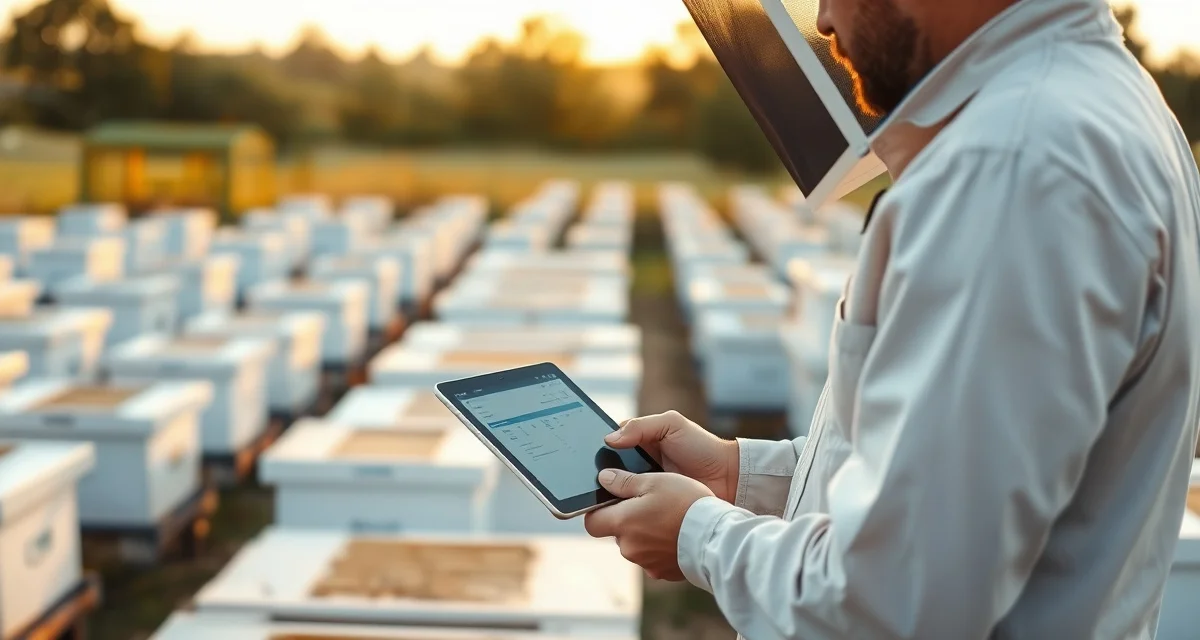
How to Prevent Hive Count Disputes with Growers
Hive count disputes take an average of six weeks to resolve and cost $2,000 to $15,000 in lost revenue. That's not a worst-case scenario. That's the average. And the majority of those disputes are preventable.
The fix isn't better relationships or more trust. It's better documentation. When a grower has a GPS-verified delivery report in their inbox before they've walked the orchard, the number on that report becomes the baseline. Disputing it requires disputing a timestamped GPS record with photo documentation. Most growers won't bother.
Hive count dispute prevention is almost entirely a documentation problem, and documentation problems have straightforward solutions.
TL;DR
- The California Almond Board's research supports 6 frames of bees as the minimum effective colony strength for almond pollination.
- Many growers now specify 8 frames for premium contracts, with rates at $200-215/hive versus $185-195 for 6-frame minimums.
- Hive strength assessment should be documented by yard, date, and assessor to create a defensible record for contract compliance.
- A colony assessed at the required strength in January can fall below minimum by February delivery if varroa loads are high or weather stress is severe.
- Third-party inspection at delivery is the cleanest resolution for strength disputes and protects operators as well as growers.
Why Count Disputes Happen
No competitor provides real-time photo and GPS documentation at delivery the way PollenOps does. Most beekeepers deliver hives, move on to the next yard, and send an invoice two weeks later based on their records. By then, the grower may have done their own count. The two numbers don't match. Now you have a dispute.
The gap usually isn't intentional on either side. Growers count differently than beekeepers. They may count from the outside of hive stacks, miss hives that aren't visible from the access road, or count during poor light or bad weather. You counted carefully at delivery. They counted later under different conditions. The numbers diverge.
Without a timestamped GPS delivery record to anchor the count, both numbers have equal standing. With one, yours is documented and theirs is an informal observation.
What Prevention Actually Looks Like
An automated delivery report sent to the grower within one hour of hive placement eliminates most disputes. The dispute anchor shifts to your documented record the moment the grower receives it.
A grower who receives a report showing 84 hives placed at 9:47 AM with a GPS map attachment isn't going to call two weeks later and say they counted 74. If they had a concern, they would have called you the same day. The report closes the loop before it can become a problem.
Here's the documentation system that prevents count disputes.
Step 1: Count at Delivery, Not From Memory
This seems obvious. Many beekeepers still don't do it.
Count hives as they're unloaded, not from your truck inventory records later. Use a tally counter or count directly into the PollenOps app as hives are placed. If you have crew doing the unloading, one person counts and records every time.
Your truck inventory when you left your yard is not the same as your delivered count. Hives can be damaged in transit. A hive can shift and fall. A pallet can be miscounted on loading. Count at the site.
Step 2: Capture GPS at the Exact Placement Location
GPS coordinates at delivery do two things. They confirm you were at the correct site. And they create a geospatially anchored record that's practically impossible to fabricate after the fact.
PollenOps captures GPS automatically when you check in at a yard using the mobile app. You don't need to do anything extra. The coordinates are recorded the moment you open the yard record.
For hive count verification purposes, the GPS record combined with the timestamp is your primary evidence. It proves where you were and when.
Step 3: Photograph Your Placement
Take photos of the hives in place at the site. You need:
A wide shot showing all hive clusters or the full yard. This establishes the total placement in a single image.
A close-up shot of a representative cluster showing individual hive boxes. This allows a count from the photo if the total is ever disputed.
Any unusual features. If some hives are placed in a secondary location (inside a windbreak, along a different field edge), photograph those separately so the full placement is documented visually.
Attach these photos to the delivery record in PollenOps. They're stored against the yard check-in event and linked to the contract.
Step 4: Send the Delivery Report Immediately
This is the step that changes the dispute dynamic entirely. Don't wait to send the report. Don't batch it with other grower communications. Send it within an hour of placement.
PollenOps sends the delivery report automatically on check-in. You don't have to do anything. The report generates from your recorded data and emails to the grower.
The grower receives a PDF with your GPS location, hive count, strength summary, and delivery timestamp. They see it on their phone before they've even driven out to look at the hives.
For hive delivery documentation best practices, the timing of the report matters as much as the content. A report sent the same hour as delivery is a contemporaneous record. A report sent two days later is a reconstruction.
Step 5: Request Acknowledgment When Appropriate
For large contracts or relationships with any prior dispute history, request an explicit grower acknowledgment of the delivery report.
"I've sent over the delivery report for the Cherry Creek yard. Please confirm you've received it and the hive count matches your observation." A grower reply of "Got it, looks good" is a significant evidentiary document if a dispute arises later.
PollenOps doesn't automate this request, but it takes 30 seconds to add to your standard check-in communication.
Can You Require Growers to Sign a Delivery Confirmation?
Yes, and you should consider it for your highest-value contracts. A delivery confirmation (a simple document the grower signs acknowledging the delivered hive count and placement date) is strong protection.
Here's the practical challenge: many growers aren't on-site at the moment of delivery. Getting a signature requires either scheduling the delivery when the grower is present or having them sign a confirmation after reviewing your report.
A practical approach for contracts over $10,000 in value: include language in your contract that the grower has 48 hours to dispute the delivery count after receiving the automated delivery report. If no dispute is raised within 48 hours, the reported count is accepted as the basis for invoicing. This shifts the burden to the grower to identify any discrepancy promptly.
Have an attorney review this language to make sure it's enforceable in your state.
Building a Dispute-Resistant Documentation System
The goal is a system that runs automatically, where documentation happens as a byproduct of your normal delivery workflow rather than as a separate task that requires extra effort.
PollenOps is designed around this principle. Check in at the yard, and GPS is captured. Enter the hive count, and the delivery record is created. Close the check-in, and the grower report goes. The documentation is built into the workflow, not added on top of it.
When you have this system running, a hive count dispute becomes a minor administrative event rather than a financial crisis. You pull up the delivery record, share it with the grower, and the conversation is brief.
What to Do If a Dispute Arises Anyway
Even with excellent documentation, you may face a grower who disputes a count. Here's how to handle it:
Stay calm and pull the record. Don't argue. Share your delivery documentation (GPS record, hive count, photos, timestamp) and let the grower compare it to their count.
Ask the grower to show their count. When and how did they count? Were conditions the same as your delivery? Were all placement locations accessible when they counted?
Propose a joint verification. Offer to do a joint count with the grower present. If your documentation is accurate, a joint count will confirm it. If there's a genuine discrepancy, you'll identify the source.
Escalate only if necessary. If the grower refuses documentation and refuses joint verification, you're dealing with a bad-faith dispute. At that point, your documentation becomes the evidentiary record for a formal dispute resolution process.
FAQ
How do I prove my hive count if a grower disputes it?
Pull your GPS delivery record, timestamped hive count, and photo documentation from PollenOps. These records, created at the time of delivery, establish the count through contemporaneous documentation. Share them with the grower and invite comparison with their count. A timestamped GPS record with delivery photos is significantly more credible than an informal observation made after the fact. For most growers, seeing this documentation resolves the dispute immediately.
What is the best way to document hive delivery for a contract?
GPS-verified check-in at delivery with an immediate automated report to the grower. PollenOps captures GPS automatically on mobile check-in, records your entered hive count and strength data, and emails a delivery report to the grower within the hour. Supplement this with delivery photos (wide shot and close-up of clusters) attached to the yard record. For high-value contracts, include contract language that gives growers 48 hours to dispute the reported count, after which the reported count is accepted as the basis for invoicing.
Can I require growers to sign a delivery confirmation?
Yes. Include delivery confirmation language in your contract template, either as a grower sign-off at delivery or as a 48-hour dispute window after receiving the automated delivery report. Requiring an in-person signature at delivery is logistically easier when growers are on-site during your placement window. The 48-hour dispute window approach works well when growers aren't typically present at delivery. Either method creates a documented baseline count that significantly limits the grower's ability to dispute the invoice months later.
How is hive strength measured for commercial contract compliance?
Hive strength is typically measured by counting frames of bees: the number of frames in the brood box that are covered (both faces) by worker bees. A frame covered on both faces counts as one frame of bees. Some assessors use a modified approach counting only the top face of each frame. The contract should specify the measurement method, since a hive assessed at 6 frames by one method might be 5 frames by another. Third-party inspection using a consistent, documented method is the cleanest standard for compliance.
What causes hives to fall below strength requirements between assessment and delivery?
Several factors can reduce colony strength between pre-season assessment and delivery: high varroa loads with insufficient treatment response, poor winter weather in northern states during transport south, queen failure or queen loss in the weeks before delivery, and nutritional stress from limited forage. Commercial operators typically re-assess colonies 1-2 weeks before departure to confirm strength has been maintained, replacing any colonies that have declined with stronger hives from their reserve inventory.
Can strength requirements be met with a recently split colony?
No. A recently split colony (within 4-6 weeks) will not have a full brood cycle's worth of adult workers emerging to maintain population. A split colony may appear to have adequate frames at the time of split but will decline in population over the following weeks as older workers die without emerging brood to replace them. Colonies going to almond pollination should have had their most recent split at least 8-10 weeks before delivery to allow full population recovery.
Try These Free Tools
Sources
- USDA Agricultural Research Service
- Bee Informed Partnership
- American Beekeeping Federation (ABF)
- Almond Board of California
- Project Apis m.
Documentation Is the Dispute
The most effective dispute prevention happens before any dispute exists. When the grower receives your delivery report on their phone within an hour of placement, with GPS coordinates, a timestamped hive count, and a photo of the yard, the count is documented before any discrepancy can develop.
That's not defensive posturing. It's professional practice. The beekeepers who document best are the ones who get paid fastest, argue least, and retain clients longest.
Get Started with PollenOps
Hive strength documentation is the foundation of contract compliance and dispute prevention. PollenOps structures strength assessment records, delivery confirmations, and inspection data so you have the evidence you need when questions arise about contract performance.