Almond Pollination Management for California Commercial Beekeepers
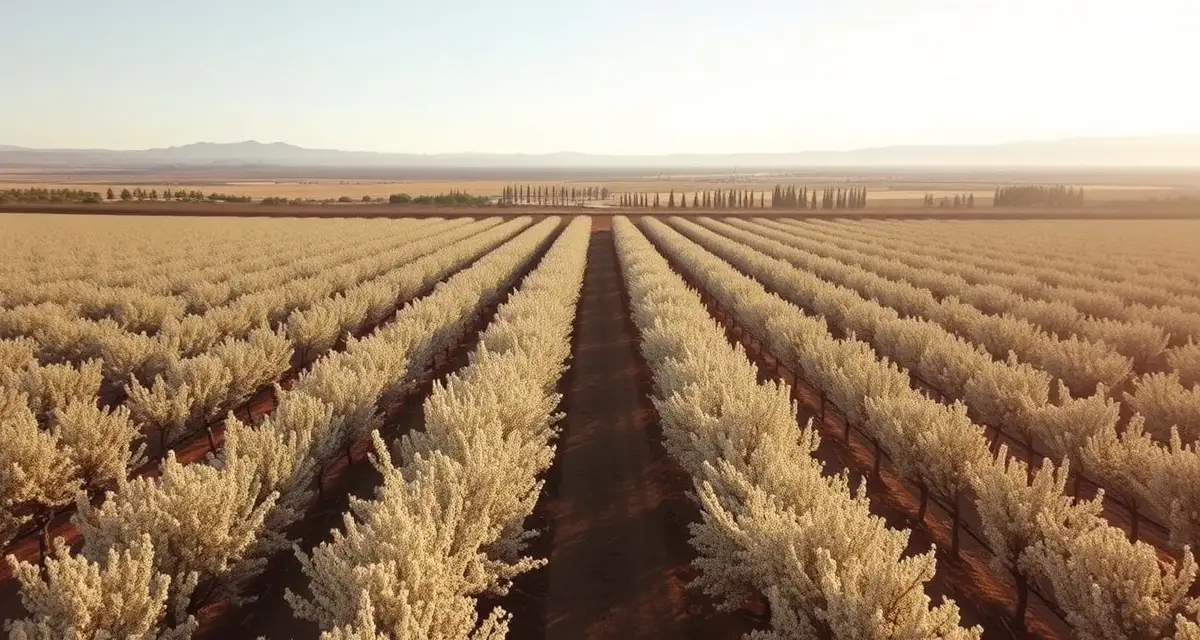
California almond orchards require over 80% of the US commercial beekeeping fleet annually. Every February, the industry concentrates in the San Joaquin Valley in a 3-week window that generates hundreds of millions of dollars in contract revenue and is, by almost any measure, the most complex logistics event in US agriculture.
Managing 20, 40, or 50 simultaneous almond contracts across 2,000 hives in the Central Valley requires more than a spreadsheet and a phone. It requires a platform built specifically for the scale and complexity of California almond season.
TL;DR
- California almond pollination consumes roughly 80% of the US commercial hive population every February, making it the most supply-constrained pollination market in the country.
- Per-hive rates have held between $185 and $220 for 6-8 frame colonies over recent seasons.
- Contracts are typically signed October through November for the following February season; operators without agreements by December are working from a weak position.
- Hive strength minimums range from 6 to 8 frames of bees depending on the grower, with premium-strength colonies commanding $200-215/hive.
- varroa management, documentation, and logistics coordination in the 6-8 weeks before delivery determine whether almond season is profitable or a breakeven event.
Why California Almond Season Is Uniquely Complex
Several factors combine to make almond season operationally demanding in ways that don't apply to other crops:
Scale: A single mid-size almond contract may involve 200 hives placed across multiple orchard blocks over 2-3 days. A large operation running 50 contracts is coordinating 10,000+ individual hive placements.
Timing compression: The bloom window for the entire Valley spans only 3-4 weeks. Every beekeeper, every truck, and every hive is moving in that same window. The logistical competition for road time, weigh station appointments, and delivery slots is intense.
Grower expectations: California almond growers are sophisticated commercial buyers who expect professional documentation, GPS delivery confirmation, and strength assessment reports. Showing up with a handshake agreement is no longer sufficient for most large operations.
Regulatory environment: California has county-level apiary registration requirements, strict agricultural checkpoint protocols, and active pesticide exposure tracking requirements that don't exist in most other states.
Bloom variation by district: The Valley blooms from south to north over 2-3 weeks. Managing this variation across 20+ contracts requires district-specific bloom timing data, not a single "almond bloom is starting" notification.
Preparing for California Almond Season
Preparation for almond season starts in October or November of the prior year, not January.
Contract signing: The best almond contracts go to beekeepers who sign early. January contracts often pay 5-15% less than the same contract signed in November. Beekeepers who wait until January to approach growers find that the professional operations have already locked in their placements.
Colony condition: Your colonies should be under active varroa management from summer through fall so they come out of winter at the strength your contracts require. If your almond contracts specify 7 frames of bees, your colonies need to be on a trajectory to reach that strength by February, not just there the day before delivery.
County registration: California county apiary registration should be completed before your first delivery in each county. Some counties have specific windows for registering seasonal operations. Missing the registration window creates compliance issues when you try to invoice.
Fleet preparation: Trucks, trailers, and loading equipment should be serviced before the season. A mechanical failure during almond season, when every minute of truck time is committed, is expensive in ways beyond the repair cost.
Almond Logistics Dashboard in PollenOps
PollenOps almond pollination management provides a dashboard showing all active almond placements, upcoming bloom alerts, and open invoices in one view.
During active almond season, this dashboard is the first thing you check in the morning and the last thing you check at night. It shows:
- Which contracts have bees in place
- Which contracts have upcoming delivery deadlines
- Which bloom alerts are active and which districts are approaching peak
- Which invoices are outstanding
- Which counties are approaching their registration deadline
For an operation running 50 contracts, this dashboard replaces the daily spreadsheet check, the calls to drivers asking where they delivered yesterday, and the mental accounting of which growers have paid and which haven't.
How Do I Prepare for California Almond Season?
The almond season preparation checklist:
Fall (October-November):
- Review prior season performance and grower relationships
- Begin contract outreach for next season
- Sign initial contracts at pre-season rates
- Start colony varroa management program
December-January:
- Complete all county apiary registrations for your planned delivery areas
- Confirm truck and driver availability
- Finalize remaining contracts
- Update PollenOps with all contract terms and delivery windows
- Set bloom timing alert thresholds for each district
January-February:
- Complete pre-move strength assessments for all hives before first deliveries
- Confirm all health certificates are current
- Begin delivering to early-blooming southern districts as bloom alerts fire
- Send grower arrival reports within hours of each delivery
March:
- Continue northern district deliveries as bloom progresses
- Begin invoice cycle for completed placements
- Plan hive retrieval schedule as contracts end
What Are the California Almond Board's Hive Strength Standards?
The California Almond Board has published research and guidelines supporting strong hive standards for pollination effectiveness. The referenced standard is 8 frames of bees as a benchmark for "strong" colonies.
Commercial contract minimums typically operate at:
- Standard commercial minimum: 6 frames of bees
- Mid-tier: 7 frames of bees
- Premium: 8 frames of bees
Some growers, particularly larger handlers with professional procurement, require formal strength assessment documentation with inspector signatures before releasing payment. The documentation expectation in California almond is more formal than in most other pollination markets.
PollenOps pre-move strength assessment generates a compliant assessment report from your field checklist that satisfies the documentation requirements of California's most demanding almond growers.
How Do I Manage 50 Simultaneous Almond Contracts in the Central Valley?
This is the operational question that defines a professional almond season operation.
Contract calendar: Every contract needs its delivery deadline, service period, and payment terms visible in a single calendar. You can't manage 50 contracts from memory or across multiple spreadsheet tabs.
District-level bloom tracking: Divide your contract portfolio by district (southern Valley, Fresno area, northern Valley/Sacramento). Track bloom timing separately by district, and assign contracts to the appropriate delivery sequence based on their location.
Pre-built delivery sequences: Before the season starts, know the order in which you'll deliver to each district and each yard. When bloom alerts fire, your delivery sequence is already planned. You're executing a pre-built plan, not building a plan under pressure.
Team management: Who is driving each truck? What is each driver's delivery schedule for the week? PollenOps team management keeps yard assignments and driver schedules organized so drivers know where to go without a phone call from you for every delivery.
Invoice cycle management: With 50 contracts, invoices go out in waves across the season. Invoices for early-blooming contracts should go out as those service periods complete, not at the end of the season. Staying current on invoicing during season means your cash flow is better and you're not doing 50 invoices in a rushed post-season push.
Frequently Asked Questions
How do I prepare for California almond season?
Start in October: initiate contract outreach, sign early contracts, and begin colony varroa management. Complete county apiary registrations before your first delivery. Service your truck fleet before the season. Load all contract terms and delivery windows into PollenOps and set district-specific bloom alert thresholds. The beekeepers who arrive to almond season with everything already planned are the ones who execute it without scrambling.
What are the California Almond Board's hive strength standards?
The California Almond Board references 8 frames of bees as a strong colony standard for effective pollination. Commercial contracts typically specify 6-8 frames as the minimum, with 6 frames being the most common floor for standard commercial contracts. Premium contracts and professional handlers often require 7-8 frames with formal strength documentation. PollenOps generates compliant assessment reports that satisfy California's documentation requirements.
How do I manage 50 simultaneous almond contracts in the Central Valley?
Use a platform where all 50 contracts are visible in a single contract calendar with district-specific bloom timing alerts. Pre-build your delivery sequence by district before the season starts so you're executing a plan rather than building one under pressure. Manage driver assignments and delivery schedules through PollenOps team management. Run your invoice cycle in waves as service periods complete, not as a single end-of-season batch. The key is that every moving part, bloom timing, delivery sequence, team assignments, invoicing, is connected in one system rather than scattered across multiple tools.
How early should almond pollination contracts be negotiated?
Large almond growers and broker networks begin securing hive commitments in July and August for the following February season. Written contracts are typically signed October through November. Operators who do not have signed agreements by December are working from a weak position since most quality hive inventory is already committed. Start grower outreach in mid-summer and target signed agreements before Thanksgiving.
What documentation is required for hive delivery to California almonds?
California requires a Certificate of Health for out-of-state colonies, issued by the origin state's apiary inspection program within 30 days of entry. The certificate must certify freedom from American foulbrood, European foulbrood, and Varroa destructor below treatment threshold. Some states require small hive beetle freedom for California entry. In addition, many growers now expect documentation of pre-delivery mite counts confirming colonies are below threshold.
What happens to hives after almond season ends in late March?
Post-almond options include moving north for Pacific Northwest cherry or apple pollination in April-May, routing to Michigan or Maine blueberries in May-July, transitioning to summer honey yards in North Dakota or Montana, or staying in California for splits and rebuilding. The right choice depends on hive strength coming out of almonds and downstream contract commitments. Operators who plan their full-year circuit in advance can optimize both pollination revenue and honey production.
Try These Free Tools
Sources
- USDA Agricultural Research Service
- Bee Informed Partnership
- American Beekeeping Federation (ABF)
- Almond Board of California
- University of California Cooperative Extension
Get Started with PollenOps
Almond season is the revenue event that defines the commercial beekeeping year, and the details -- contract terms, delivery timing, hive strength documentation, and invoicing -- determine whether the season is profitable. PollenOps manages the full almond contract lifecycle from quote to final payment, with yard tracking, crew scheduling, and grower communication built in. See how it works for operations from 200 to 5,000 hives.