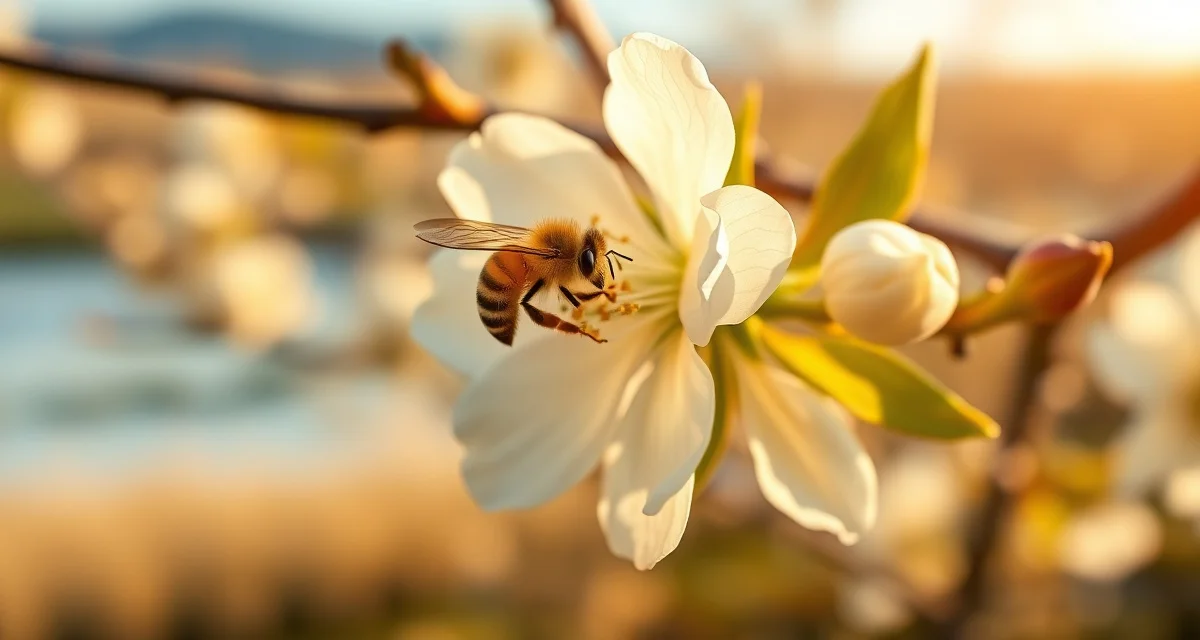
Pear Pollination in Washington State: Yakima Valley and the Columbia Basin
Washington's Yakima Valley and Columbia Basin produce significant quantities of US pears, with the Wenatchee district and Hood River area adding further volume along the Washington-Oregon border. Pear is a crop that gets less attention than Washington's dominant apple and cherry sectors, but it's a real commercial pollination market with predictable annual demand and growers who tend to stick with beekeepers they trust.
Washington pear bloom runs mid-March to mid-April, before apple and after almond exit. That timing is strategically valuable: operators finishing California almond season in late February have a window to move north before pear bloom and then stay in the region for cherry and apple. The pear stop serves as both an income bridge and a positioning move for the bigger tree fruit contracts later in spring.
TL;DR
- Washington's primary commercial beekeeping role is shaped by its crop mix, climate, and position on the national pollination circuit.
- Pollination rates in Washington range $65-220/hive depending on crop depending on crop and colony strength requirements.
- Out-of-state operators entering Washington for pollination contracts must register with the state agricultural authority and obtain a Certificate of Health.
- Washington functions as either a primary pollination destination, a seasonal honey production location, or a transitional stop depending on the circuit.
- Tracking permit status, registration documents, and yard records for Washington operations requires organized record-keeping before the season opens.
Pear Varieties and Bloom Timing
The primary commercial pear varieties in Washington are Bartlett, Bosc, Anjou, and Comice, each with slightly different bloom timing. Bartlett typically opens first, usually mid-March in the lower Yakima Valley. Anjou follows a few days later, and Bosc is generally last among the main commercial varieties. If you're placing hives in mixed-variety orchards, the bloom sequence matters for understanding how long your hives will have active bloom to work.
Elevation in the Yakima Valley ranges from around 800 feet on the valley floor to over 2,000 feet in the benchlands. Lower elevation orchards along the valley floor open earlier, while higher bench orchards can lag by 7 to 10 days. The same staggered delivery logic that applies to cherry and apple in this region applies to pear: don't assume a single delivery date works across all sites.
Weather is a meaningful variable for pear pollination timing in Washington. The region can see late freeze events into March, and cold rain periods reduce bee flight and pollination effectiveness. Stay in contact with your growers during bloom and be prepared to communicate proactively if weather is reducing your colonies' foraging activity.
Getting Pear Pollination Contracts
The Washington State Tree Fruit Association is the primary grower organization for Yakima Valley and Columbia Basin orchardists. Membership directories and annual events connect beekeepers with growers, and the association's meetings attract both large commercial growers and smaller family operations. First contact at an association event is warmer than a cold call to a packing house.
Many Washington pear growers have established beekeeper relationships, so the path to new contracts often runs through referrals. If you're already working apple or cherry contracts in the region, ask your grower contacts for introductions to their pear-growing neighbors. The Washington tree fruit community is geographically concentrated, and pear, apple, and cherry operations frequently share ownership or adjacent geography.
For cold outreach, focus on growers operating 40 acres or more since smaller parcels often use the same beekeeper informally without written contracts. Lead with your strength documentation and your apple pollination management in Washington track record if you have it. Cross-referencing your existing commitments against pear bloom windows is easy with PollenOps contract management, which shows your available hive inventory against upcoming contract obligations.
Colony Strength and Hive Requirements
Washington pear growers typically require 6 to 8 frames of bees at placement, with a laying queen. Some larger commercial operations specify density requirements of 1 to 2 hives per acre depending on variety and orchard spacing. Bartlett pear is self-unfruitful and requires cross-pollination with Bosc or Comice pollenizers, so mixed orchards need adequate bee movement between varieties.
If you're coming into pear season directly from almond, your colonies should be at or near peak strength from the late winter build-up. This is one of the advantages of the California-to-Pacific-Northwest circuit: your hives are often strongest right when pear needs them. Run a pre-move inspection regardless to document condition at delivery, since pear growers with formal contracts will want proof.
Colony condition matters beyond raw frame count. Check for adequate food stores, since early March in eastern Washington can be cold enough that bees aren't foraging effectively. A colony that looks strong in terms of population but is short on stores may need emergency feeding before or shortly after placement.
Rates and Contract Timing
Washington pear pollination rates run roughly $100 to $150 per hive depending on location, grower relationship, and colony strength certification. Rates tend to be lower than cherry and higher than some apple arrangements, reflecting pear's intermediate commercial profile.
Contracts should be signed in January or February at the latest for March placements. Some experienced operators lock in multi-year pear agreements that specify the same placement dates and rate structure with a CPI adjustment annually. If you build a reliable track record with a pear grower, proposing a multi-year arrangement gives you planning certainty and the grower supply security.
Frequently Asked Questions
How do you get pear pollination contracts in Washington?
Start with the Washington State Tree Fruit Association, which connects growers with pollination service providers across the Yakima Valley and Columbia Basin. Attending association events is more effective than cold outreach because relationships in this tight-knit industry move contracts faster than proposals. If you're already operating apple or cherry contracts in the region, ask for introductions to pear growers nearby. For cold outreach, target operations over 40 acres and lead with your hive strength documentation and any existing Washington tree fruit contract history.
When is pear pollination season in Washington's Yakima Valley?
Pear bloom in Washington's Yakima Valley runs mid-March through mid-April, with variation by variety and elevation. Bartlett opens first, typically mid-March on valley floor sites, with Anjou and Bosc following in sequence over the next week or two. Orchards at higher bench elevations can bloom 7 to 10 days later than valley floor sites. The pear season bridges almond exit from California in late February and Washington cherry season beginning in April, making it a logical stop for operators running the Pacific Northwest circuit.
What colony strength do Washington pear growers require?
Most Washington pear growers require 6 to 8 frames of bees at placement, with a laying queen and adequate brood. Some larger commercial orchards specify 1 to 2 hives per acre depending on variety and orchard configuration. Pear requires cross-pollination in most commercial varieties, so bee movement between rows and between pollenizer blocks is important. Inspect your colonies no more than 5 days before delivery and bring documentation. Coming off California almond season, your colonies should be near peak, but confirm condition before moving north rather than assuming.
What is the process for registering an out-of-state apiary in a new state?
Most states require out-of-state operators to register with the state department of agriculture apiary program before placing colonies. The process typically involves submitting a registration application (online or paper), paying a fee (usually $10-50 per location), and providing contact information for the operation. Some states also require the registration to be renewed annually. Contact the destination state's department of agriculture apiary program at least 60 days before your planned arrival to confirm current requirements.
What documentation do state apiary inspectors typically review?
State apiary inspectors review health certificates for out-of-state colonies, registration documentation, and colony inspection records during apiary visits. Inspectors check for signs of American foulbrood, European foulbrood, and other regulated pests and diseases. Operations with organized digital records that include treatment history and mite counts typically have faster, less complicated inspections than operations without documentation. Some state inspectors also verify that varroa mite loads are below state entry thresholds.
What triggers a state apiary inspection?
State apiary inspections can be triggered by routine inspection schedules (most states inspect a percentage of registered apiaries annually), neighbor or landowner complaints, disease reports from nearby operations, or inspection requirements tied to state entry permits. California, in particular, has the right to inspect incoming loads at port of entry for commercial beekeeping operations. Maintaining current registration and organized records makes required inspections faster and less disruptive.
Try These Free Tools
Sources
- USDA Agricultural Research Service
- Bee Informed Partnership
- American Beekeeping Federation (ABF)
- Washington Department of Agriculture
- Project Apis m.
Get Started with PollenOps
Commercial operations working in Washington face the same registration, permit, and documentation requirements as any state on the national circuit -- plus Washington's specific regulatory requirements. PollenOps tracks your Washington yard records, contract assignments, and permit documentation alongside your full operation, so entering a new state doesn't add a separate administrative burden. See how the platform fits operations working across multiple states.