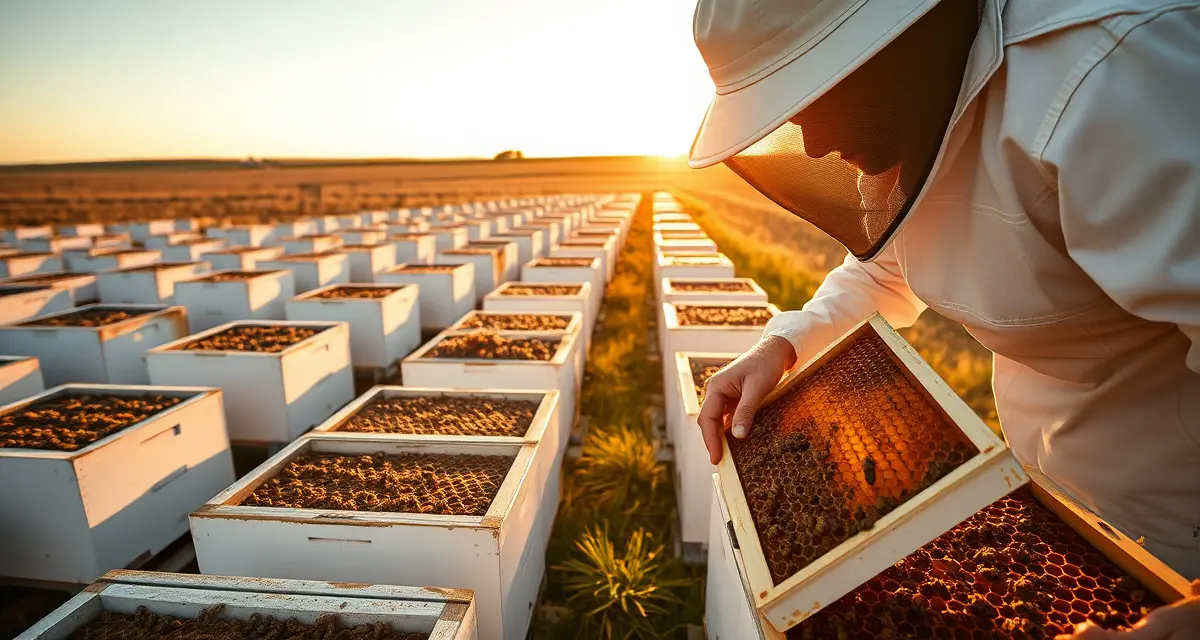
Pollination Service Management Software in South Dakota
South Dakota alfalfa seed growers require 3-5 hives per acre for optimal seed set, one of the highest per-acre requirements of any major US crop. The state also offers clover seed and sunflower pollination opportunities for migratory beekeepers transiting the Northern Plains.
For most migratory operations, South Dakota is a waypoint in a larger seasonal route rather than a primary destination. But a well-planned South Dakota stop can add meaningful revenue to your late spring or early summer season.
TL;DR
- Most states require a Certificate of Health or Certificate of Veterinary Inspection issued by the origin state before out-of-state colonies can enter.
- A California-to-Florida-to-Pacific-Northwest-to-Northern-Plains circuit is the most common full-year migratory route for large commercial operations.
- Interstate permit coordination requires lead time; certificates typically need to be obtained 7-30 days before entry depending on the destination state.
- Moving 1,000 hives requires 2-3 truck loads per move, with fuel, driver wages, and DOT compliance as the primary variable costs.
- Operations that plan their annual circuit 6-8 months in advance can sequence pollination contracts and honey production to maximize annual revenue per hive.
South Dakota's Pollination Opportunities
Alfalfa seed: South Dakota's James River Valley and other agricultural areas produce certified alfalfa seed for the forage crop market. Alfalfa seed pollination timing runs July through August, requiring 3-5 hives per acre because alfalfa flowers need tripping, which honeybees perform reluctantly.
Clover seed: Red clover seed and white clover seed production creates pollination contracts in the late June through July window. Standard hive density is 4-6 hives per acre for certified clover seed production.
Sunflowers: South Dakota produces significant sunflower acreage, including seed production contracts that pay pollination fees. Bloom timing runs July through August, overlapping with alfalfa and clover seed.
Honey production: South Dakota's prairie landscape supports a high-quality sweet clover and native wildflower honey flow. Many migratory beekeepers position colonies in South Dakota for honey production in addition to or instead of pollination contracts.
When Is Alfalfa Bloom in South Dakota for Pollination Placement?
South Dakota alfalfa bloom timing for seed production:
- Eastern South Dakota (James River Valley): Alfalfa seed contracts typically target first cutting bloom in early to mid-July
- Western South Dakota: Similar timing with some variation based on elevation and rainfall patterns
Alfalfa seed production differs from forage alfalfa management. For seed production, the grower wants the alfalfa crop to reach full bloom before cutting, whereas forage alfalfa is cut at early bloom to maximize protein content. This means alfalfa seed fields look different from forage fields and bloom on a different management schedule.
Confirm with your grower whether they're targeting first or second cutting seed production, as the timing implications are different.
How Do I Add South Dakota Stops to My Migratory Pollination Route Plan?
South Dakota placement cards in PollenOps link to your northward spring migration route from California or Texas. This integration matters because South Dakota placements are typically part of a broader sequence, not a destination in themselves.
A typical migratory route incorporating South Dakota:
- California almonds (February-March)
- Pacific Northwest cherries/apples (April-May)
- Pacific Northwest or Midwest blueberries (May-June)
- South Dakota clover/alfalfa seed or honey production (June-July)
- North Dakota sunflower or continued honey production (July-August)
- Southern return for fall preparation (September)
Adding South Dakota to this route works best when the geographic routing from Midwest berry work (Minnesota, Michigan, Wisconsin) to North Dakota honey/sunflower lines up naturally with South Dakota's James River Valley placement opportunities. It often does.
PollenOps route optimization calculates whether adding South Dakota stops to your planned route reduces or increases total drive distance, factoring in the revenue from those contracts against the logistics cost of the detour.
What Are the Biosecurity Requirements for Bringing Hives into South Dakota?
South Dakota's requirements are generally straightforward for a state in the Northern Plains:
- Health certificate from your home state (issued within 30 days of entry)
- Home state apiary registration documentation
- South Dakota apiary registration (contact the South Dakota Department of Agriculture)
South Dakota doesn't have the same entry complexity as California or Florida. The state's agriculture benefits from migratory beekeepers, and the regulatory environment reflects that cooperative relationship.
Check the USDA APHIS pest alert system for any active quarantine orders before entering. Active disease events can occasionally trigger emergency inspection requirements, though this is uncommon in South Dakota.
South Dakota as Part of a Northern Plains Honey Production Strategy
Many migratory beekeepers who work California almonds then Pacific Northwest spring crops position their hives in the Northern Plains (South Dakota, North Dakota, Minnesota) for summer honey production. The region's sweet clover, phacelia, and native wildflowers support high honey yields in good years.
If you're planning a Northern Plains honey production stop, South Dakota offers:
- Lower land costs for yard leases than some other honey production states
- A stable regulatory environment for seasonal operations
- Geographic positioning that works for northward spring migration and southward fall return
For operations that combine honey production and pollination contracts in the same Northern Plains season, PollenOps hive inventory management separates hives committed to pollination contracts from those available for honey production positioning.
Frequently Asked Questions
When is alfalfa bloom in South Dakota for pollination placement?
South Dakota alfalfa seed production contracts typically target first cutting bloom in early to mid-July for the James River Valley and other agricultural areas. Second cutting seed production bloom runs August. Timing depends on the grower's specific management plan and planting date. Confirm the target bloom window with your grower before finalizing your delivery date.
How do I add South Dakota stops to my migratory pollination route plan?
Map your existing route from spring pollination in the Midwest or Pacific Northwest to North Dakota and check whether South Dakota's James River Valley placement opportunities align with your natural routing. PollenOps route optimization calculates whether adding South Dakota stops reduces or increases total drive distance. South Dakota works best as a natural waypoint rather than a significant detour.
What are the biosecurity requirements for bringing hives into South Dakota?
South Dakota requires a health certificate from your home state (issued within 30 days), home state apiary registration documentation, and South Dakota apiary registration. The process is generally straightforward. Check the USDA APHIS pest alert system for any active disease restriction orders before entering the state.
What is the most common full-year circuit for US migratory beekeepers?
The classic commercial circuit runs: winter buildup in Florida or southern Texas, California almonds in February, Pacific Northwest tree fruit (cherry, apple, pear) in April-May, Pacific Northwest or northern Midwest berry and clover crops in June-July, summer honey production in North Dakota, Montana, or Minnesota in July-August, and fall honey extraction and requeening before the cycle restarts. The exact circuit depends on contracted commitments, hive capacity, and the operator's regional relationships.
How do you coordinate state entry permits for a multi-state circuit?
State entry permits and health certificates require lead time: most states want certificates issued 7-30 days before entry. For a circuit that crosses 5-6 states, this means overlapping certificate applications where a certificate for the next state must be initiated before the current state's placement ends. Some operators use a permit tracking calendar that accounts for the lead time required for each destination state. PollenOps includes a permit tracking feature that alerts operators when certificates need to be initiated based on planned move dates.
What are the most common mistakes new migratory operators make?
The most common errors are underestimating transport costs, failing to secure contracts before building hive capacity, not accounting for state entry permit lead times, and neglecting varroa management during the compressed pre-almond preparation period. New operators often also underestimate the administrative load of managing 10-20 contracts across multiple states -- tracking payment status, compliance documentation, and crew scheduling simultaneously requires systems, not just a spreadsheet.
Try These Free Tools
Sources
- USDA Agricultural Research Service
- Bee Informed Partnership
- American Beekeeping Federation (ABF)
- American Honey Producers Association
- USDA Animal and Plant Health Inspection Service (APHIS)
Get Started with PollenOps
Migratory operations face the most complex coordination challenges in commercial beekeeping: permits across multiple states, staggered delivery windows, and fleet logistics that have to work precisely across hundreds of miles. PollenOps was built to handle multi-state, multi-grower, multi-crop operations at this level of complexity.