Pollination Service Management Software in North Dakota
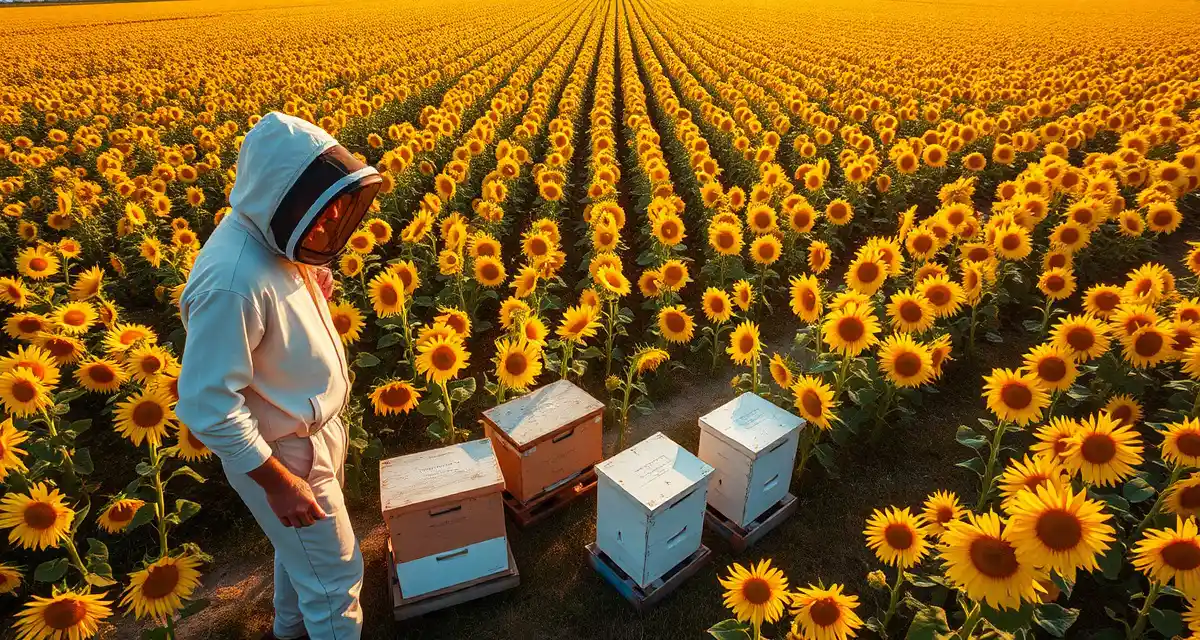
North Dakota produces more honey than any other state and hosts significant sunflower seed pollination contracts. For migratory beekeepers, North Dakota represents a summer destination after spring fruit and berry pollination, offering a combination of honey production income and sunflower seed pollination contracts from July through August.
Managing North Dakota operations requires bloom timing alerts for seed crops rather than tree fruit, which means different timing models and different contract structures than the spring pollination work most beekeepers focus on.
TL;DR
- Most states require a Certificate of Health or Certificate of Veterinary Inspection issued by the origin state before out-of-state colonies can enter.
- A California-to-Florida-to-Pacific-Northwest-to-Northern-Plains circuit is the most common full-year migratory route for large commercial operations.
- Interstate permit coordination requires lead time; certificates typically need to be obtained 7-30 days before entry depending on the destination state.
- Moving 1,000 hives requires 2-3 truck loads per move, with fuel, driver wages, and DOT compliance as the primary variable costs.
- Operations that plan their annual circuit 6-8 months in advance can sequence pollination contracts and honey production to maximize annual revenue per hive.
North Dakota's Commercial Pollination and Honey Market
Sunflower seed: North Dakota is the top sunflower seed-producing state in the US. Oilseed sunflower and confection sunflower are both grown, with seed production contracts requiring 1-2 hives per acre. Sunflower is primarily wind-pollinated, but bee pollination significantly improves seed set in seed production fields (as opposed to vegetable oil sunflower production, which doesn't need bees).
Clover seed: Red clover and sweet clover seed production for the cattle feed industry is a significant market. Clover seed requires 4-6 hives per acre and blooms from late June through July.
Canola: North Dakota produces significant canola acreage. Commercial beekeeping near canola fields benefits hive buildup through heavy nectar flow, and some canola seed production contracts use bees for improved set.
Honey production: North Dakota's diverse wildflower and agricultural landscape makes it one of the highest-yield honey states in the country. Many migratory beekeepers position colonies in North Dakota for summer honey production alongside or instead of seed pollination contracts.
When Does Sunflower Bloom Start in North Dakota?
North Dakota sunflower bloom timing:
- Southern North Dakota (Dickey, McIntosh, Logan counties): Typically early to mid-July
- Central North Dakota: Mid-July
- Northern North Dakota: Late July
Bloom timing varies by planting date, variety, and growing season heat accumulation. Sunflower is planted in May after frost risk passes, and bloom timing from planting is roughly 55-75 days depending on growing degree day accumulation.
PollenOps sunflower pollination alerts cover both oilseed and confection varieties with separate timing tracks, because seed production contracts often specify variety type, and the two types may have slightly different timing even within the same field.
How Many Hives Per Acre Are Needed for Sunflower Seed Pollination?
For seed production sunflower (where cross-pollination is required to produce certified seed):
- Standard: 1-2 hives per acre
- Some seed companies require 2+ hives per acre for premium certified seed contracts
For commercial oilseed sunflower (not seed production):
- Bees aren't typically contracted for oilseed production because these fields aren't dependent on cross-pollination. Beekeepers often place colonies near oilseed sunflower for honey production without a formal pollination contract.
The distinction matters because your billing structure changes: seed production contracts pay a per-hive pollination fee. Oilseed fields offer honey production income but typically no pollination payment.
How Do I Manage Both Honey Production and Pollination Contracts in North Dakota?
The combination of honey production and pollination contracts is what makes North Dakota economically interesting for migratory beekeepers.
A typical North Dakota season structure:
- Arrive late June after Pacific Northwest berry or Midwest blueberry contracts
- Position colonies in clover fields for honey production through early July
- Move a portion of colonies to sunflower seed production fields as bloom starts in July
- Maintain other colonies in honey production yards through the summer
- Extract honey in late August/September before beginning southern migration
The key is knowing which hives are committed to seed pollination contracts and which are available for honey production. PollenOps hive inventory management tracks contract commitments across your entire fleet, so you always know which hives are available for repositioning.
Bloom timing matters differently for honey production vs. pollination. For honey production, you want to be in place before the major honey flow crops reach peak bloom. For pollination, you need to be there before the seed production flowers open for cross-pollination.
North Dakota Permit Requirements
North Dakota has straightforward apiary entry requirements relative to some other states:
- Health certificate from your home state (issued within 30 days of entry)
- Home state registration documentation
- North Dakota apiary registration (contact the North Dakota Department of Agriculture for current process)
North Dakota is generally cooperative for migratory beekeepers because the state's agriculture benefits from their presence. Compliance documentation is required but the process is typically less complex than California or Florida.
Planning Your North Dakota Season Around Seed Crop Timing
Unlike fruit and berry crops where bloom timing is driven by accumulated chilling hours, seed crop bloom timing in North Dakota is driven primarily by planting date and growing degree day accumulation. This means the most accurate timing prediction comes from knowing when growers planted their fields, not from winter weather data.
Connecting with your North Dakota seed growers in May or early June to get their planting date information lets you calibrate your arrival timing with more precision than regional averages alone provide.
PollenOps seasonal contract calendar lets you enter grower-provided planting dates alongside bloom timing alerts, creating a contract record that shows both your expected bloom timing and the grower's planting data in the same view.
Frequently Asked Questions
When does sunflower bloom start in North Dakota?
Sunflower bloom timing in North Dakota is driven by planting date and growing degree day accumulation rather than chilling hours. Bloom typically starts in early to mid-July for southern ND counties and mid-to-late July for northern counties. Confirming planting dates with your grower in May or June provides more accurate timing estimates than regional averages. PollenOps tracks sunflower bloom alerts separately for oilseed and confection varieties.
How many hives per acre are needed for sunflower seed pollination?
Sunflower seed production contracts typically require 1-2 hives per acre for cross-pollination between male-sterile and pollinator rows. The specific requirement is often set by the seed company contracting the production, so confirm requirements with your grower before setting the hive count. Commercial oilseed sunflower production doesn't typically include paid bee pollination contracts.
How do I manage both honey production and pollination contracts in North Dakota?
Keep your hive inventory separated by commitment: hives under pollination contracts are tracked as committed in PollenOps, while uncontracted hives are available for honey production positioning. The seasonal contract calendar shows your pollination contract delivery windows alongside honey flow timing for clover and sunflower, so you can plan hive positioning across both income streams simultaneously.
What is the most common full-year circuit for US migratory beekeepers?
The classic commercial circuit runs: winter buildup in Florida or southern Texas, California almonds in February, Pacific Northwest tree fruit (cherry, apple, pear) in April-May, Pacific Northwest or northern Midwest berry and clover crops in June-July, summer honey production in North Dakota, Montana, or Minnesota in July-August, and fall honey extraction and requeening before the cycle restarts. The exact circuit depends on contracted commitments, hive capacity, and the operator's regional relationships.
How do you coordinate state entry permits for a multi-state circuit?
State entry permits and health certificates require lead time: most states want certificates issued 7-30 days before entry. For a circuit that crosses 5-6 states, this means overlapping certificate applications where a certificate for the next state must be initiated before the current state's placement ends. Some operators use a permit tracking calendar that accounts for the lead time required for each destination state. PollenOps includes a permit tracking feature that alerts operators when certificates need to be initiated based on planned move dates.
What are the most common mistakes new migratory operators make?
The most common errors are underestimating transport costs, failing to secure contracts before building hive capacity, not accounting for state entry permit lead times, and neglecting varroa management during the compressed pre-almond preparation period. New operators often also underestimate the administrative load of managing 10-20 contracts across multiple states -- tracking payment status, compliance documentation, and crew scheduling simultaneously requires systems, not just a spreadsheet.
Try These Free Tools
Sources
- USDA Agricultural Research Service
- Bee Informed Partnership
- American Beekeeping Federation (ABF)
- American Honey Producers Association
- USDA Animal and Plant Health Inspection Service (APHIS)
Get Started with PollenOps
Migratory operations face the most complex coordination challenges in commercial beekeeping: permits across multiple states, staggered delivery windows, and fleet logistics that have to work precisely across hundreds of miles. PollenOps was built to handle multi-state, multi-grower, multi-crop operations at this level of complexity.